


Chamomile's name comes from Greek chamos (ground) and milos (apple)—low-growing, apple-scented shrubs. Found across Europe, North Africa, and Asia, two main varieties dominate medicinal use:
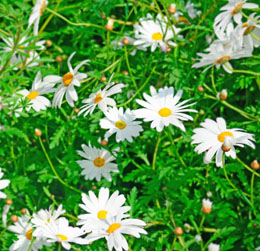
Used for anxiety, insomnia, indigestion, gastritis, colitis, diarrhea, menstrual issues, migraines, skin disorders, wounds, burns, conjunctivitis, canker sores, teething. Germany's Commission E approves German chamomile for GI spasms and skin/mucous membrane inflammation. Properties: antispasmodic, anti-allergic, anti-inflammatory, antiseptic, analgesic, sedative.
Known as the "plant's physician"—chamomile improves the health of neighboring plants. Grow it in your garden, but consult a medical practitioner before medicinal use.
Managing Nematodes in a Schefflera Plant
String of Pearls (Senecio rowleyanus) Care: Light, Water, and Powdery Mildew
Essential Facts About Running a Successful Plant Nursery
Dwarf Marigold Flowers: Complete Growing Guide
The Truth About Organic Gardening: Science, Philosophy, and Practical Benefits
Bleeding Heart (Lamprocapnos spectabilis): Growing Guide and Fascinating Facts
Phalaenopsis Pot Size After Repotting: Root Mass Determines Pot, Not Plant Size
Growing Sarracenia and Nepenthes in the UK: Temperate Outdoors, Tropical Indoors
Moses-in-the-Boat Plant: Deadheading and Division Advice
Pachira (Money Tree) Leaf Wilting: Light and Root Issues
Aluminium Fabrication: Properties, Methods & Why Pros Matter
Copyright © www.100flowers.win Botanic Garden All Rights Reserved