


 Did You Know?According to an ancient belief, growing 'hen and chicks' on the rooftop can protect the house from lightning and even witchcraft.A 'hen and chicks', also called 'Sempervivum' or 'Semps', is an evergreen, hardy plant, that can be grown in hot and cold climates alike. The name hen and chicks is used to refer to a group of succulent plants that appear in a low-growing rosette form. The name arises from the appearance of the plant. The mother plant called the 'Hen', grows and gives rise to its offspring called 'Chicks' by underground runners. These offspring cluster around the parent in the same way chicks gather around a hen. These chicks then start developing roots, and on separating, grow right next to the mother plant.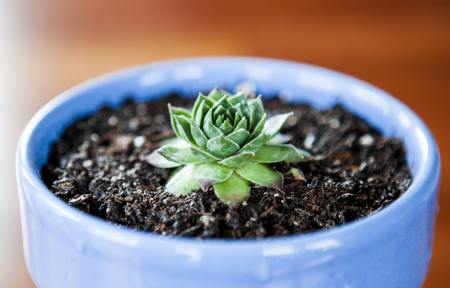
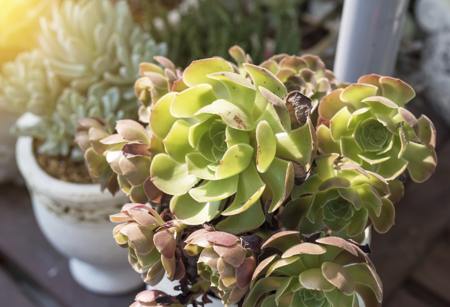 The plant thrives in hot weather, with its foliage developing bright colors when grown in the hot sun. It is preferable to plant it outdoors. If grown in poor light conditions, the plant may show signs of stunted growth. Besides, if grown in shade, the color changes to a dull green. However, in parts such as the Southern US, a slight shade can play a big role in helping the plant retain its colors. Indoor plants can be grown in the light of a fluorescent lamp.Water
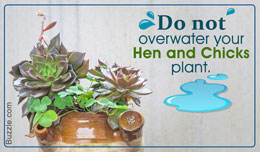
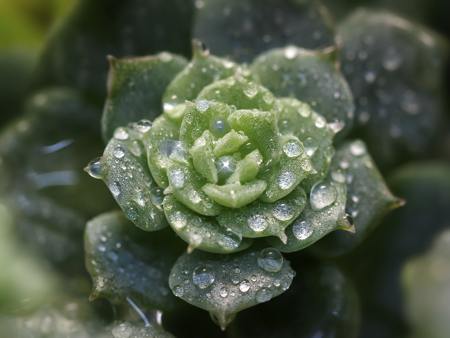 The plants are adapted to arid soils and need not be watered frequently. Always water them only if the soil seems dry. Water logging or poorly drained soil can kill the plant. However, frequent watering may be required during strong summers. If the plant shows signs of stunted growth, check if it is being watered too frequently, or if the soil drainage is poor. It's a good idea to water it well after transplantation. Water once every 8 to ten days in hot weather, and monthly in winters. The outer leaves will spoil if kept wet.Fertilizers
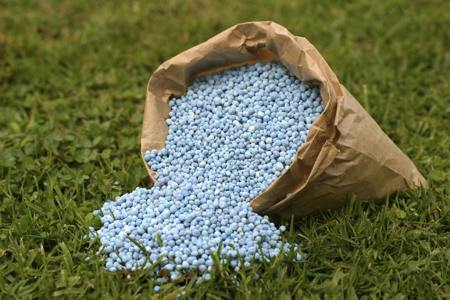 Fertilizers are not necessary or recommended. The color of the plant is the most attractive when it has been denied nutrition. On the contrary, potted plants need fertilizers. Liquid fertilizers should be diluted to half before application to potted plants during summer and springtime. Excess fertilizers can burn the plant roots. Some believe in the benefits of applying mild fertilizers, like chicken manure.Soil
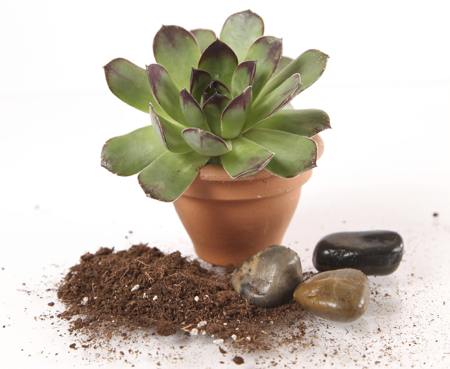 Hen and chicks generally prefer sandy or rocky soil, with low fertility. If the soil is clayey, a small amount of compost can be mixed with it. The plant can even be grown in rock cracks, where little to no soil is present.General Maintenance
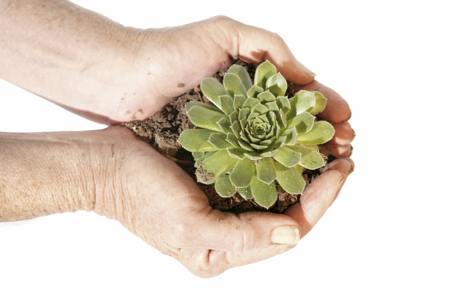 The plant should be observed, and overcrowding can be dealt with by repotting. Dividing the chicks by transplantation is needed from time to time. The mother or hen plant has a lifespan of 4 years, and old hens should be removed when they are about to die. This is indicated when the plant produces a terminal flower. Dried leaves should be removed immediately, as they can attract insects or cause fungal growth.PropagationTransplantationSeparate the 'chicks' (offsets) from the plant by cutting the base with a knife or gently pulling them when the chicks start displaying roots or when well-grown. Keep it aside till the cut dries, and then place the chick on well-separated potting soil or sandy soil, till the roots grow to grasp the soil. This transplantation is crucial to prevent overcrowding. Ideally, it should be done once very 2 years. The knife should be sterilized with alcohol before use, so as to prevent the risk of infection.
How to Care for Rosemary Plants
How to Grow and Care for Mexican Heather
How to Care for Hollyhock Plants
Sedum: How to Plant, Grow, and Care for Sedum Flowers
Sunflowers: How to Plant, Grow, and Care for Sunflower Plants
Sedum: How to Plant, Grow, and Care for Sedum Flowers
Sunflowers: How to Plant, Grow, and Care for Sunflower Plants
Copyright © www.100flowers.win Botanic Garden All Rights Reserved