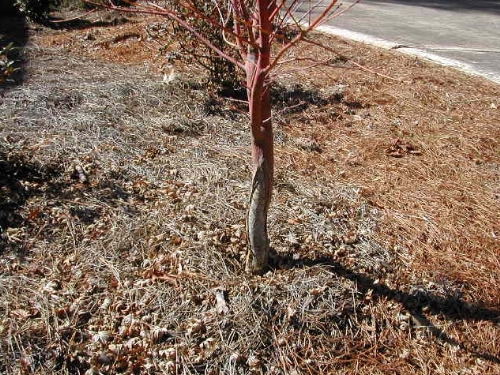
Coral Bark Maple Trunk Damage: Planted Too Deep—Expose the Root Flare
Bark split at base? No visible root flare = planted too deep. Buried roots rot the lower trunk. Diagnose 1 inch below soil/mulch → confirmed. Fix Expose flare roots by scraping away soil. Fix drainage directing water


Red Bugs on Spring Walls: Clover Mites, Not Spider Mites or Boxelder Nymphs
Three red candidates: Boxelder nymphs—¼ inch, black legs. Spider mites—hide under leaves, not on walls. Clover mites—tiny, red, on sunny walls. You have clover mites. Harmless. Good eye.
Clover Mites: Tiny Red Bugs on Walls—Harmless, Temporary, Wash Them Off
Tiny red bugs on sunny walls in spring? Clover mites. Feed on clover/grass. No harm to people, pets, plants, structures. Fix Hose them off. No insecticide needed. They vanish by late April.
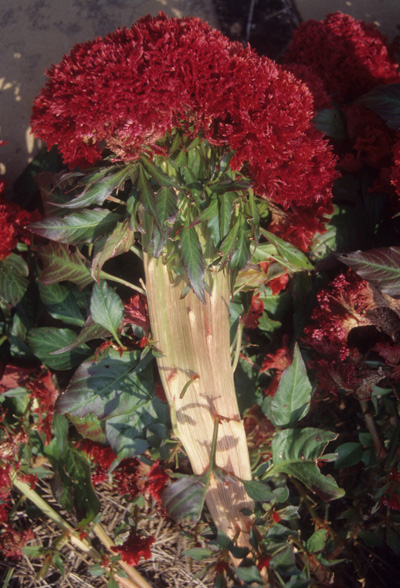
Fantail Willow: Fascinating Flattened Stems, Easy to Root or Buy
Fantail willow (Salix sachalinensis Sekka) has flattened, fasciated stems—caused by bacteria or genetics. Get It Root fresh cuttings. Buy from Forestfarm. Cool conversation piece for arrangements.
Fertilizer Burn on Boxwood: Flush With Water, But Don't Drown It
Over-fertilized boxwood turning brown? Shallow roots = salt-sensitive. Rescue Attempt Hourly deep soakings for a day, then let dry a week. May save it if root damage isnt fatal. No guarantees. Prevention Boxwoods need
Boxwood Winter Bronzing: Root Stress or Nematodes—Here's How to Tell
Purple-bronze winter color = common stress response. Causes: Root stress from summer water extremes (shallow roots). Nematodes (microscopic root-feeding worms). Diagnose Check soil drainage. Submit summer soil sample
Boxwood Death on One Side: Fix Drainage, Amend Soil, Use Cottonseed Meal
Repeated boxwood loss = root zone problem. Roots hate wet or dry extremes. Replanting Protocol Replace half planting hole soil with ground pine bark. Mix in 1 cup garden lime (boxwoods dislike acid). Water weekly: 1–2
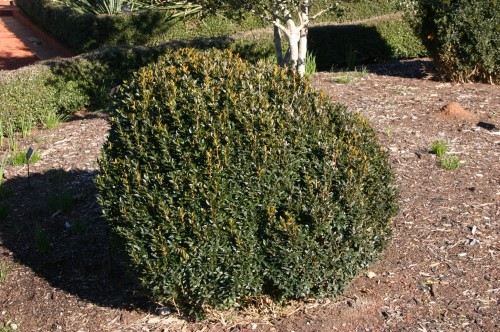
Pruning Boxwoods: Ditch the Hedge Trimmers, Use Hand Pruners for Health
Electric trimmers create green meatballs—dense shell, empty interior. One dead limb = huge hole. Recovery is slow. Right Way Hand pruners. Remove individual limbs to reduce size over 2+ years. Cut ¼ this year, ¼ next sp
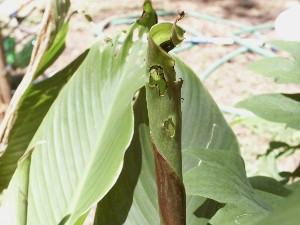
Canna Leaf Roller: Identify, Control, and Choose Resistant Varieties
Leaves stitched shut? Canna leaf roller (moth larvae). They hatch, stitch leaves, hide inside. Control Hand-pick as leaves unfurl—expose grubs to birds. Bt spray (Green Light BT, Safer Caterpillar Killer) on unrolling
Pressure Washing With Bleach: Dilution Ratios and Plant Protection
Typical pressure washer chemical injectors dilute 1:10 or more. At that ratio, bleach wont hurt foliage. Protect Plants Pre-wet leaves. Rinse occasionally while working. Bleach → chlorine gas → evaporates fast. Soil ri
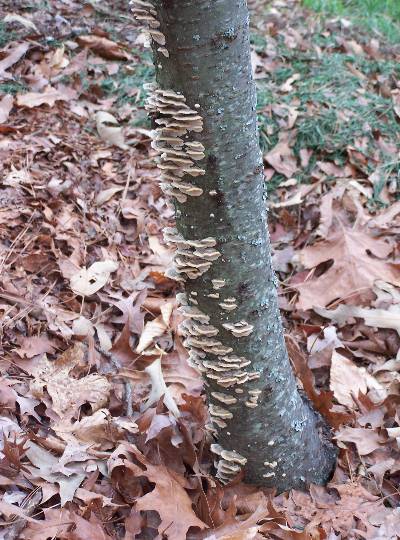
Dying Sweet Cherry: Fungal Conks = Internal Rot; Time for the Chainsaw
Fungal growths on trunk = advanced internal rot. Tree rocks = failed roots. Verdict Cut it down. Sweet cherries rarely fruit in the South anyway. Even sour cherries struggle except in mountains.
After Pine Beetle Kill: Remove Tree Fast, Spray Neighbors, Don't Store Wood
Tree dead from beetles? Beetles have likely already moved to nearby trees. Action Plan Remove dead tree ASAP—cut pine scent attracts more beetles. Chip limbs (kills remaining beetles). Dont spray dead tree—useless. Hir
Pine Beetle Damage: Holes + Rosin = Serious Trouble; Watch for July Browning
Numerous holes + rosin (pitch tubes) = heavy infestation. Tree may be dead but doesnt know it. Verdict by July If needles turn brown suddenly → cut it down. Protect Neighbors Water adjacent pines deeply all summer. He
Brown Patch Fungicide Efficacy: Professional Products Ranked, Check Active Ingredients
Research exists (mostly on pro products). Key fungicides tested: Heritage (azoxystrobin) Compass (trifloxystrobin) Insignia (pyraclostrobin) Banner Maxx (propiconazole) Bayleton (triadimefon) Eagle (myclobutanil) ProSt
Arsenic-Treated Lumber in Raised Beds: Risks, Alternatives, and Simple Fixes
CCA (arsenic) lumber is being phased out. Studies show arsenic can accumulate in veggies but not at harmful levels. Still, why risk it? Options Line bed interior with sheet plastic or aluminum. Use new ACQ/copper azole
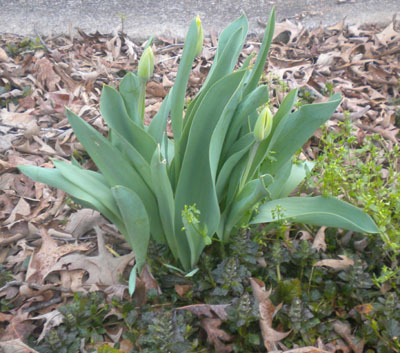
Why Your Tulip Multiplies But Blooms Less: The Georgia Climate Effect
Your tulip clump grows bigger but produces fewer flowers. Heres why: The Bulb Cycle In Holland, cool springs (60–75°F for 3 months) let leaves feed the bulb. In Georgia, wild temperature swings + moist soil cause the bu
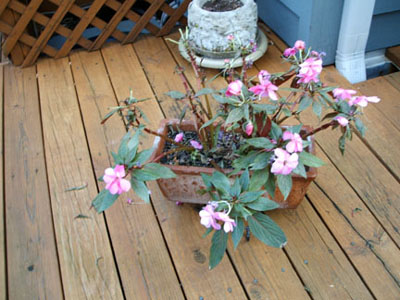
Winter Care for New Guinea Impatiens: Cut Back Leggy Growth, Feed Lightly
Your New Guinea impatiens bloomed all winter indoors. Now theyre leggy on the deck. Fix Light feed. Semi-shade for 2 weeks. New leaves will emerge at base—then cut off leggy tops. Summer Preference Morning sun, after
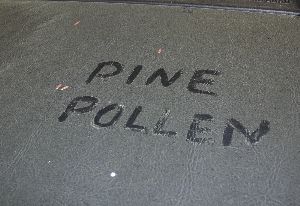
Predicting Pine Pollen Peak: Avoid Painting Mid-March to Early April
Pine pollen peaks when degree-days (above 55°F after Feb 1) hit 636. Data from Atlanta Allergy Clinic (10 years) shows peak dates cluster late March to early April. Best Advice Dont paint exterior trim mid-March through
Termiticide and Garden Plants: Chemicals Don't Move Into Vegetables, But Keep Edibles 5+ Feet Away
Termiticides (like those trenched around your foundation) are not systemic—they dont move into plants. The warning not to plant edibles nearby is liability protection. Real Risk Your job: Dont disturb the barrier. No p
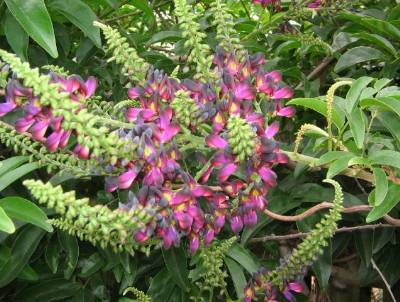
Evergreen Wisteria: A Vine That Shouldn't Survive Here But Does
Your vine is evergreen wisteria (Millettia reticulata). Its not reliably hardy this far north, but yours loses leaves in winter and regrows—defying the books. Enjoy the anomaly. Its a tough, beautiful vine.
Copyright © www.100flowers.win Botanic Garden All Rights Reserved