


| Family: | Pinaceae (py-NAY-see-ee) (Info) |
| Genus: | Pinus (PY-nus) (Info) |
| Species: | ponderosa (pon-der-OH-suh) (Info) |
| Synonym: | Pinus ponderosa var. ponderosa |
The Ponderosa Pine (Pinus ponderosa), also known as the Western Yellow Pine, Norway Pine, or Big Pine, stands as one of North America's most iconic and widely distributed conifers. This magnificent evergreen dominates vast stretches of the western United States and Canada, from British Columbia southward through the Rocky Mountains and Sierra Nevada into Mexico.
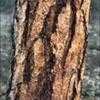
Mature Ponderosa Pines are immediately recognizable by their towering straight trunks, which can reach heights of 60–130 feet (18–40 meters) in cultivation and even taller in optimal wild conditions. The bark is a signature feature: thick, deeply furrowed, and colored in rich plates of cinnamon-red to orange-brown, often exuding a sweet vanilla or butterscotch fragrance on warm days—a delightful sensory hallmark of western forests.
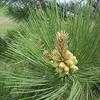
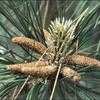
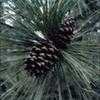
Needles appear in bundles of three (occasionally two), measuring 5–10 inches long, giving the crown a somewhat open, airy texture. The cones are oval, 3–6 inches long, each scale tipped with a small, recurved prickle.
As a keystone species, Ponderosa Pine provides critical habitat for wildlife, including birds like the White-headed Woodpecker and mammals such as Abert's squirrel. Its deep taproot makes it exceptionally drought-tolerant once established, allowing it to thrive in the dry, fire-prone ecosystems of the interior West. Historically, frequent low-intensity fires maintained open, park-like stands; modern fire suppression has altered this dynamic.
Commercially, it is one of the most important timber species in North America, valued for its clear, straight-grained wood used in construction, millwork, and cabinetry.
Hardy in USDA Zones 3–7, Ponderosa Pine prefers full sun and well-drained, slightly acidic to neutral soils. It is relatively fast-growing for a pine and makes a superb specimen tree for large landscapes, parks, and reforestation projects. Young trees benefit from occasional deep watering during establishment but become remarkably self-sufficient.
Selling Mature Ponderosa Pines in Southern Colorado
Transplanting Norway Pine (Spruce) with Minimal Root Ball
Thinning Ponderosa Pine in Denver: Stop Overwatering, Fertilize
Yellow Pine Needles: Is the Tree Dead?
Eastern White Pine (Pinus strobus): Majestic Native Conifer of the Northeast
Scrub Pine (Pinus clausa): Florida's Fire-Adapted Sand Pine
Douglas Fir (Pseudotsuga menziesii): Pacific Northwest Giant
Ponderosa Pine Red-Brown Needles: Sapsucker Woodpecker Damage
Managing Surface Roots on a Ponderosa Pine: Why Cutting Roots Is a Mistake
Hosta 'Mr Big': Giant Green Hosta with Immense Stature
Norfolk Island Pine (Araucaria heterophylla)
Australian Pine (Casuarina equisetifolia): Coastal Survivor with Invasive Tendencies
Giant Sequoia (Sequoiadendron giganteum): Earth's Most Massive Living Organisms
Xanthorhiza simplicissima: Yellow Root – Native Spreading Shrub for Shade
Copyright © www.100flowers.win Botanic Garden All Rights Reserved