


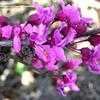
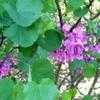
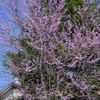
Western Redbud, or California Redbud, is a spectacular deciduous shrub or small tree native to the foothills and mountains of California, Arizona, and Utah. Cercis occidentalis lights up the spring landscape with a profusion of magenta-pink pea-like flowers that clothe bare branches before the heart-shaped leaves emerge.
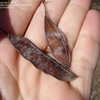
The floral show begins in late winter to early spring, with clusters of ½-inch flowers covering branches, twigs, and even the main trunk—a trait called cauliflory. The blossoms are edible, with a sweet, slightly tart flavor. As flowers fade, rounded, bluish-green leaves (2-3 inches) emerge, turning yellow to red in fall. Flat, brown seed pods (2-3 inches) persist into winter, adding interest.
| Family: | Caesalpiniaceae (ses-al-pin-ee-AY-see-ee) |
| Genus: | Cercis (SER-sis) |
| Species: | occidentalis (ok-sih-den-TAY-liss) |
Western Redbud is a keystone species in its native chaparral and woodland ecosystems. It's a larval host for several butterflies and moths, and its flowers provide critical early nectar for native bees. The seeds feed birds and small mammals. It's extremely drought-tolerant once established, thriving in full sun to part shade and well-drained soil—including rocky, nutrient-poor sites.
In gardens, it's superb as a specimen, in native plantings, or as an understory tree. It's more heat- and drought-tolerant than its eastern cousin (Cercis canadensis) and better suited to alkaline soils. Prune after flowering to shape. The multi-trunk habit can be trained to a single trunk if desired. A true four-season plant: spring flowers, summer foliage, fall color, winter pods and bark.
California Sage (Salvia californica)
Lemon Tree: The Classic Citrus for Fruit, Fragrance & Foliage
Chonta Palm (Juania australis): Rare Chilean Palm
European Hornbeam (Carpinus betulus): The Classic Hedge & Shade Tree
Plumeria pudica: The Everblooming, Evergreen Frangipani
Durian (Durio zibethinus): The King of Fruits—Love It or Hate It
Washingtonia × filibusta: The Hybrid Fan Palm for Marginal Climates
Hosta plantaginea: The Fragrant Species with Giant White Flowers
Comfortroot (Hibiscus aculeatus)
Hibiscus hamabo: Coastal Species
Mandrinette – Hibiscus boryanus
Furcraea macdougalii: A Giant, Trunk-Forming Relative of Agave
'Green Giant' Arborvitae (Thuja 'Green Giant'): The Ultimate Fast-Growing Screen
Copyright © www.100flowers.win Botanic Garden All Rights Reserved