


| Family: | Sapindaceae (sap-in-DAY-see-ee) (Info) |
| Genus: | Sapindus (sap-IN-dus) (Info) |
| Species: | saponaria var. drummondii |
| Synonym: | Sapindus drummondii |
The Western Soapberry (Sapindus saponaria var. drummondii, syn. S. drummondii) is a **tough, adaptable, medium-sized native shade tree** of the southwestern U.S. and Mexico. Its claim to fame: **the fruit contains saponins—natural surfactants that lather like soap**—used for centuries by Indigenous peoples and early settlers for washing.
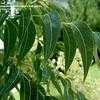
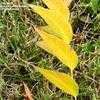
A **deciduous tree, 30–50 feet tall**, with a **rounded, open crown** and gray, furrowed bark. Leaves are **pinnately compound, 8–15 inches long, with 8–18 lanceolate leaflets**, medium green, turning a **clear, bright yellow in fall**—reliably showy. The foliage is clean and pest-resistant.
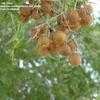
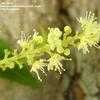
**Creamy-white, fragrant panicles (6–10 inches)** bloom in late spring. The fruit is a **translucent, amber-yellow, wrinkled drupe (1/2–3/4 inch)**, borne in large, showy clusters that **persist into winter**—ornamental and bird-attracting. The **flesh is rich in saponins**; crushed berries + water = **natural, biodegradable lather** for laundry, hair, and skin. The hard black seed is used for beads (rosaries, jewelry).
**USDA Zones 6–9.** **Full sun; thrives in heat, drought, alkaline, rocky, clay, and poor soils.** **Tolerates urban pollution and salt.** Deep taproot = drought resilience. **Dioecious** (male/female trees); plant several for fruit. **Excellent shade tree for difficult sites** in the Southwest and Plains: tough, clean, yellow fall color, persistent amber fruit, and a built-in soap supply. A true multi-functional native.
Lemon Tree: The Classic Citrus for Fruit, Fragrance & Foliage
Incense-Cedar: The Fragrant, Fire-Resistant Pencil Wood Tree
Cucumber Magnolia (Magnolia acuminata): Native Yellow-Flowered Magnolia
Shoebutton Ardisia (Ardisia elliptica): Invasive Berry Shrub
Chonta Palm (Juania australis): Rare Chilean Palm
European Hornbeam (Carpinus betulus): The Classic Hedge & Shade Tree
Identifying a Lowe's Butterwort—Almost Certainly P. primuliflora
Aloe dorotheae: A Low-Growing, Copper-Red Aloe for Colorful Groundcover
Rhipsalis micrantha (Mistletoe Cactus)
Kalanchoe hildebrandtii: A Silvery, Shrubby Succulent
Durian (Durio zibethinus): The King of Fruits—Love It or Hate It
Washingtonia × filibusta: The Hybrid Fan Palm for Marginal Climates
Copyright © www.100flowers.win Botanic Garden All Rights Reserved