


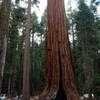
Giant Sequoia, also called Big Tree or Sierra Redwood, is the most massive living organism on Earth by volume. Native to the western slopes of California's Sierra Nevada, Sequoiadendron giganteum (family Cupressaceae) achieves staggering dimensions: the largest specimens exceed 275 feet in height, 30 feet in diameter, and 2,000+ years in age.
The bark is extraordinary: 1-3 feet thick, fibrous, deeply furrowed, rich reddish-brown—fire-resistant armor. The leaves are awl-shaped, ¼ inch, blue-green, spirally arranged, persisting 3-4 years. The cones are small (2-3 inches), woody, maturing in 2 years but often remaining closed for 20+ years, opening after fire heat. The root system is shallow but widespread, interlocking with neighbors for stability.

| Family: | Cupressaceae (koo-press-AY-see-ee) |
| Genus: | Sequoiadendron (see-kwoy-uh-DEN-dron) |
| Species: | giganteum (jy-GAN-tee-um) |
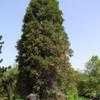
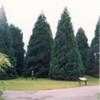
Giant Sequoias are endangered in the wild (climate change, fire suppression, past logging). Most are protected in Sequoia/Kings Canyon/Yosemite National Parks. In cultivation, they grow surprisingly well beyond their native range—throughout the temperate world (zones 6-8)—reaching 60-100 feet in 50 years. They need full sun, deep, moist, well-drained soil, and ample space.
They're planted as specimens, groves, and memorials worldwide. The cultivar 'Hazel Smith' is more cold-hardy (zone 5). 'Pendulum' is weeping. 'Compactum' is dwarf. They're relatively fast-growing and long-lived in cultivation. A living link to deep time—planting one is an act of faith in the future. The related Coast Redwood (Sequoia sempervirens) is taller but less massive.
Giant Sequoia Transplant Shock: Brown from Bottom Up
Hosta 'Mr Big': Giant Green Hosta with Immense Stature
Giant Tree Aloe (Aloe barberae): Majestic African Tree Aloe
Joshua Tree (Yucca brevifolia): Mojave Desert Icon
Giant Oxalis (Oxalis gigantea)
Neem Tree (Azadirachta indica): Miracle Tree of the Tropics
Orchid Tree (Bauhinia monandra): Butterfly Leaves and Pink Flowers
Giant Bamboo (Dendrocalamus giganteus): Towering Tropical Timber Bamboo
Giant Foxtail (Setaria faberi): Tall Annual Grass with Distinctive Seed Heads
Grass Tree (Xanthorrhoea nana): Dwarf Australian Grasstree
Tulip Poplar (Liriodendron tulipifera)
Camphor Tree (Cinnamomum camphora)
Brazilian Pepper Tree (Schinus terebinthifolius)
Sapphire Dragon Tree (Paulownia kawakamii): A Rare Taiwanese Tree with Violet Flowers
Copyright © www.100flowers.win Botanic Garden All Rights Reserved