



Family: Ericaceae (er-ek-AY-see-ee)
Genus: Arctostaphylos (ark-toh-STAF-ih-los)
Species: uva-ursi (OO-va UR-see)
Cultivar: 'Massachusetts'
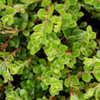
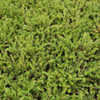
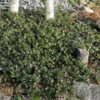
'Massachusetts' is a select form of bearberry (kinnikinnick) chosen for its dense, prostrate habit and heavy fruiting. It forms a thick, evergreen mat 6–12 inches tall and spreading 3–6 feet wide. The small, leathery, dark green leaves turn bronzy-red in winter. In spring, it produces clusters of tiny, urn-shaped, pinkish-white flowers followed by abundant bright red berries that persist into winter.
Requires full sun to partial shade and acidic (pH 4.5–5.5), sandy or gritty, well-drained soil. Extremely drought tolerant once established. Hardy in zones 2–6; struggles in heat and humidity south of zone 6. No fertilizer needed. Ideal for rock gardens, slopes, sandy banks, and under conifers.
The berries are eaten by birds and wildlife. Historically, leaves were used medicinally (urinary tract) and smoked ceremonially by Indigenous peoples (kinnikinnick). The 'Massachusetts' selection was introduced for superior groundcover performance and fruit set.
One of the best native evergreen groundcovers for difficult, acidic, dry sites. Erosion control on slopes. Lawn alternative in low-traffic areas. Combines with low junipers, pines, and native wildflowers.
Dill (Anethum graveolens): Classic Culinary Annual
Caraway (Carum carvi): Biennial Spice and Medicinal Seed
Common Myrtle (Myrtus communis): Fragrant, Evergreen Mediterranean Shrub for Topiary and Hedges
Anise (Pimpinella anisum): Sweet, Licorice-Flavored Annual for Seeds and Leaves
Licorice (Glycyrrhiza glabra): The Sweet Root of Herbal Medicine and Confectionery
Dorstenia bahiensis: Unusual Tropical Fig Relative with Shield-Shaped Flowers
Catstongue (Priva lappulacea): Tropical Groundcover with Sticky Seeds
Lemon Balm (Melissa officinalis): Calming Herb for Tea and Pollinators
Beefsteak Plant (Perilla frutescens): Shiso for Asian Cuisine
Globe Artichoke (Cynara scolymus): Edible Flower Buds and Striking Foliage
Sweet Basil (Ocimum basilicum): The King of Culinary Herbs
Vietnamese Coriander (Persicaria odorata): Essential Herb for Southeast Asian Cuisine
English Pennyroyal (Mentha pulegium): Traditional Herb with Toxic Oil
Sesame (Sesamum indicum): Ancient Oilseed Crop for Seeds and Oil
Copyright © www.100flowers.win Botanic Garden All Rights Reserved