


Family: Pedaliaceae
Genus: Sesamum (SES-uh-mum)
Species: indicum (IN-dih-kum)
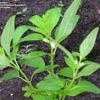
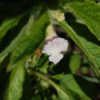
Sesame is an erect annual herb grown for its oil-rich seeds, reaching 3–6 feet tall. The leaves are variable, lower ones lobed, upper ones lanceolate. The flowers are tubular, bell-shaped, white to pale pink, borne in leaf axils. The fruit is a rectangular capsule that splits open at maturity (shattering), releasing hundreds of small, flat, oval seeds—white, brown, or black depending on variety.
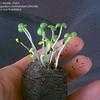
Requires a long, warm growing season (100–130 frost-free days), full sun, and well-drained soil. Drought tolerant once established. Direct sow after soil warms to 70°F. Thin to 6–12 inches apart. Harvest when capsules turn brown but before shattering—cut plants and dry on tarps.
One of the oldest oilseed crops (domesticated >3000 BCE). Seeds contain 50–60% oil, rich in lignans (sesamin, sesamolin) with antioxidant properties. Uses: tahini, sesame oil, baked goods, confections (halva), sprinkled on breads. The oil is stable and resistant to rancidity. A major global commodity.
Dill (Anethum graveolens): Classic Culinary Annual
Caraway (Carum carvi): Biennial Spice and Medicinal Seed
Common Myrtle (Myrtus communis): Fragrant, Evergreen Mediterranean Shrub for Topiary and Hedges
Anise (Pimpinella anisum): Sweet, Licorice-Flavored Annual for Seeds and Leaves
Licorice (Glycyrrhiza glabra): The Sweet Root of Herbal Medicine and Confectionery
Dorstenia bahiensis: Unusual Tropical Fig Relative with Shield-Shaped Flowers
Catstongue (Priva lappulacea): Tropical Groundcover with Sticky Seeds
Hosta plantaginea: The Fragrant Species with Giant White Flowers
Comfortroot (Hibiscus aculeatus)
Hibiscus hamabo: Coastal Species
Mandrinette – Hibiscus boryanus
Furcraea macdougalii: A Giant, Trunk-Forming Relative of Agave
Euphorbia bupleurifolia: A Bizarre, Pineapple-Topped Succulent with a Caudex
Candelilla (Euphorbia antisyphilitica): A Leafless, Wax-Producing Shrub for Extreme Heat
Copyright © www.100flowers.win Botanic Garden All Rights Reserved