


Family: Papilionaceae (pa-pil-ee-uh-NAY-see-ee)
Genus: Glycyrrhiza (gly-ky-RY-zuh)
Species: glabra (GLAY-bruh)
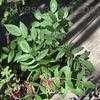
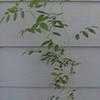
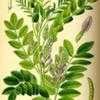
Licorice is a deep-rooted perennial legume growing 3–5 feet tall with pinnate leaves of 9–17 leaflets. In late spring to early summer, it bears spikes of pale blue to lavender pea-like flowers. The plant's fame lies in its extensive root system: a main taproot with horizontal rhizomes that can reach 3–4 feet deep and spread widely. The roots are brown outside, yellow inside, and intensely sweet.
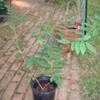
Requires full sun, deep, fertile, well-drained sandy loam, and a long growing season. Hardy in zones 7–10; in cooler zones, grow as an annual or in deep containers. Plants take 3–4 years to develop harvestable roots. Space 2–3 feet apart. Once established, very drought tolerant due to deep roots. Nitrogen-fixing; improves soil.
The primary sweet compound is glycyrrhizin (glycyrrhizic acid), 50–100 times sweeter than sucrose. Used globally in herbal medicine for soothing mucous membranes (coughs, sore throats, ulcers), adrenal support, and anti-inflammatory effects. The root extract flavors candies, tobacco, beverages, and pharmaceuticals. Caution: Excessive consumption can cause hypertension, hypokalemia, and edema due to mineralocorticoid effects. Deglycyrrhizinated licorice (DGL) is safer for long-term use.
Dig roots in fall of the 3rd or 4th year. Wash, cut, and dry. Yield: 1–2 lbs dry root per plant after 4 years.
Chervil (Anthriscus cerefolium): Delicate Anise-Flavored Herb for Spring
Fenugreek (Trigonella foenum-graecum): Ancient Spice and Medicinal Legume
Goldenseal (Hydrastis canadensis): Endangered Native Medicinal Herb of Eastern Forests
Dill (Anethum graveolens): Classic Culinary Annual
Caraway (Carum carvi): Biennial Spice and Medicinal Seed
Common Myrtle (Myrtus communis): Fragrant, Evergreen Mediterranean Shrub for Topiary and Hedges
Anise (Pimpinella anisum): Sweet, Licorice-Flavored Annual for Seeds and Leaves
Hosta plantaginea: The Fragrant Species with Giant White Flowers
Comfortroot (Hibiscus aculeatus)
Hibiscus hamabo: Coastal Species
Mandrinette – Hibiscus boryanus
Dorstenia bahiensis: Unusual Tropical Fig Relative with Shield-Shaped Flowers
Catstongue (Priva lappulacea): Tropical Groundcover with Sticky Seeds
Sesame (Sesamum indicum): Ancient Oilseed Crop for Seeds and Oil
Copyright © www.100flowers.win Botanic Garden All Rights Reserved