


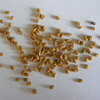

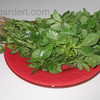
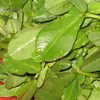
Fenugreek (Trigonella foenum-graecum) is an annual legume cultivated since antiquity for its aromatic seeds and edible leaves. It grows 1-2 feet tall with trifoliate leaves and small white or pale yellow flowers, followed by long, curved pods containing 10-20 golden-brown seeds. The seeds have a maple-like aroma and bitter, nutty taste.
Sow seeds directly in spring after frost in full sun and well-drained soil. Young leaves (methi) are cooked as greens; seeds are toasted and ground for curry powders, pickles, and spice blends. Sprouted seeds are nutritious. Medicinally used to support lactation, blood sugar, and digestion. Fixes nitrogen, improving soil for subsequent crops.
Caraway (Carum carvi): Biennial Spice and Medicinal Seed
Common Myrtle (Myrtus communis): Fragrant, Evergreen Mediterranean Shrub for Topiary and Hedges
Anise (Pimpinella anisum): Sweet, Licorice-Flavored Annual for Seeds and Leaves
Licorice (Glycyrrhiza glabra): The Sweet Root of Herbal Medicine and Confectionery
Dorstenia bahiensis: Unusual Tropical Fig Relative with Shield-Shaped Flowers
Catstongue (Priva lappulacea): Tropical Groundcover with Sticky Seeds
Sesame (Sesamum indicum): Ancient Oilseed Crop for Seeds and Oil
Hosta plantaginea: The Fragrant Species with Giant White Flowers
Comfortroot (Hibiscus aculeatus)
Hibiscus hamabo: Coastal Species
Mandrinette – Hibiscus boryanus
Furcraea macdougalii: A Giant, Trunk-Forming Relative of Agave
Euphorbia bupleurifolia: A Bizarre, Pineapple-Topped Succulent with a Caudex
Candelilla (Euphorbia antisyphilitica): A Leafless, Wax-Producing Shrub for Extreme Heat
Copyright © www.100flowers.win Botanic Garden All Rights Reserved