


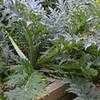
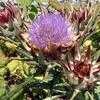
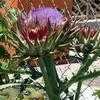
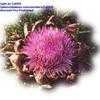
Globe artichoke (Cynara scolymus) is a perennial thistle cultivated for its edible, immature flower buds. The plant itself is magnificent—large, deeply lobed, silvery-green leaves form a fountain-like clump 3–5 feet tall and wide. If buds are left to open, they reveal huge, purple, thistle-like flowers.
| Family: | Asteraceae (ass-ter-AY-see-ee) |
| Genus: | Cynara (SIN-uh-ruh) |
| Species: | scolymus (SKOL-ee-mus) |
Native to the Mediterranean, artichokes have been cultivated since ancient Greece and Rome. The "choke" is the inedible fuzzy center; the heart and base of the bracts are the prized parts. Plants are productive for 4–5 years.
Grow in full sun, deep, fertile, well-drained soil. Needs consistent moisture for bud development. In zones 7+, plant in fall for spring harvest; in colder zones, grow as annuals from vernalized starts or protect crowns heavily. Hardy in USDA zones 7–10.
Chervil (Anthriscus cerefolium): Delicate Anise-Flavored Herb for Spring
Fenugreek (Trigonella foenum-graecum): Ancient Spice and Medicinal Legume
Goldenseal (Hydrastis canadensis): Endangered Native Medicinal Herb of Eastern Forests
Dill (Anethum graveolens): Classic Culinary Annual
Caraway (Carum carvi): Biennial Spice and Medicinal Seed
Common Myrtle (Myrtus communis): Fragrant, Evergreen Mediterranean Shrub for Topiary and Hedges
Anise (Pimpinella anisum): Sweet, Licorice-Flavored Annual for Seeds and Leaves
Hosta plantaginea: The Fragrant Species with Giant White Flowers
Comfortroot (Hibiscus aculeatus)
Hibiscus hamabo: Coastal Species
Licorice (Glycyrrhiza glabra): The Sweet Root of Herbal Medicine and Confectionery
Dorstenia bahiensis: Unusual Tropical Fig Relative with Shield-Shaped Flowers
Catstongue (Priva lappulacea): Tropical Groundcover with Sticky Seeds
Sesame (Sesamum indicum): Ancient Oilseed Crop for Seeds and Oil
Copyright © www.100flowers.win Botanic Garden All Rights Reserved