


Catnip (Nepeta cataria), a member of the mint family Lamiaceae, is renowned for its euphoric effect on cats. Beyond entertaining felines, this perennial herb has a long history of human use in teas, herbal remedies, and as a garden ornamental.
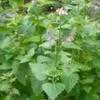
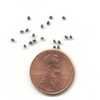


| Family: | Lamiaceae (lay-mee-AY-see-ee) |
| Genus: | Nepeta (NEP-eh-tuh) |
| Species: | cataria (kat-AR-ee-uh) |
Native to Europe and Asia, catnip has naturalized across North America. It grows 2–3 feet tall with heart-shaped, gray-green leaves and spikes of white or pale lavender flowers. The plant contains nepetalactone, the compound that triggers the characteristic response in cats.
Easy to grow from seed, catnip thrives in full sun and well-drained soil. Harvest leaves just before flowering for maximum potency.
Caraway (Carum carvi): Biennial Spice and Medicinal Seed
Common Myrtle (Myrtus communis): Fragrant, Evergreen Mediterranean Shrub for Topiary and Hedges
Anise (Pimpinella anisum): Sweet, Licorice-Flavored Annual for Seeds and Leaves
Licorice (Glycyrrhiza glabra): The Sweet Root of Herbal Medicine and Confectionery
Dorstenia bahiensis: Unusual Tropical Fig Relative with Shield-Shaped Flowers
Catstongue (Priva lappulacea): Tropical Groundcover with Sticky Seeds
Sesame (Sesamum indicum): Ancient Oilseed Crop for Seeds and Oil
Hosta plantaginea: The Fragrant Species with Giant White Flowers
Comfortroot (Hibiscus aculeatus)
Hibiscus hamabo: Coastal Species
Mandrinette – Hibiscus boryanus
Furcraea macdougalii: A Giant, Trunk-Forming Relative of Agave
Euphorbia bupleurifolia: A Bizarre, Pineapple-Topped Succulent with a Caudex
Candelilla (Euphorbia antisyphilitica): A Leafless, Wax-Producing Shrub for Extreme Heat
Copyright © www.100flowers.win Botanic Garden All Rights Reserved