


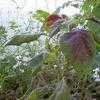
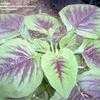
Redroot pigweed (Amaranthus retroflexus), also called vegetable amaranth, is a ubiquitous annual weed of gardens, fields, and disturbed soils worldwide. It grows 2-6 feet tall with coarse, green leaves (often red-tinged at base) and dense, bristly, greenish flower spikes. The taproot is distinctly red. Highly nutritious leaves and seeds.
Young leaves cooked as nutritious greens (high in vitamins, minerals). Seeds ground for flour, popped like popcorn. Can accumulate nitrates and oxalates—moderation advised. In gardens, pull before seed set; each plant produces 100,000+ seeds. Indicates fertile, nitrogen-rich soil. C4 photosynthesis—thrives in heat.
Goldenseal (Hydrastis canadensis): Endangered Native Medicinal Herb of Eastern Forests
Dill (Anethum graveolens): Classic Culinary Annual
Caraway (Carum carvi): Biennial Spice and Medicinal Seed
Common Myrtle (Myrtus communis): Fragrant, Evergreen Mediterranean Shrub for Topiary and Hedges
Anise (Pimpinella anisum): Sweet, Licorice-Flavored Annual for Seeds and Leaves
Licorice (Glycyrrhiza glabra): The Sweet Root of Herbal Medicine and Confectionery
Dorstenia bahiensis: Unusual Tropical Fig Relative with Shield-Shaped Flowers
Lemon Balm (Melissa officinalis): Calming Herb for Tea and Pollinators
Beefsteak Plant (Perilla frutescens): Shiso for Asian Cuisine
Globe Artichoke (Cynara scolymus): Edible Flower Buds and Striking Foliage
Sweet Basil (Ocimum basilicum): The King of Culinary Herbs
Vietnamese Coriander (Persicaria odorata): Essential Herb for Southeast Asian Cuisine
Catstongue (Priva lappulacea): Tropical Groundcover with Sticky Seeds
Sesame (Sesamum indicum): Ancient Oilseed Crop for Seeds and Oil
Copyright © www.100flowers.win Botanic Garden All Rights Reserved