


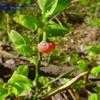
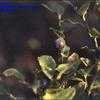
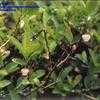
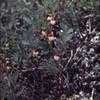
Bilberry (Vaccinium myrtillus), also called whortleberry, whinberry, or European blueberry, is a low, deciduous shrub native to acidic heaths, woods, and moorlands of Europe and northern Asia. It grows 12-18 inches tall with small, oval, toothed leaves and produces solitary, dark blue, juicy berries (not clustered like cultivated blueberries) in mid-summer. High in anthocyanins.
Requires acidic (pH 4.5-5.5), moist, well-drained, peaty soil in part shade. Difficult to cultivate; best in naturalistic settings. Berries eaten fresh, in jams, pies, juices; medicinally for vision, circulation. Leaves used for tea. Wildlife food. Hardy in USDA zones 3-7.
Dill (Anethum graveolens): Classic Culinary Annual
Caraway (Carum carvi): Biennial Spice and Medicinal Seed
Common Myrtle (Myrtus communis): Fragrant, Evergreen Mediterranean Shrub for Topiary and Hedges
Anise (Pimpinella anisum): Sweet, Licorice-Flavored Annual for Seeds and Leaves
Licorice (Glycyrrhiza glabra): The Sweet Root of Herbal Medicine and Confectionery
Dorstenia bahiensis: Unusual Tropical Fig Relative with Shield-Shaped Flowers
Catstongue (Priva lappulacea): Tropical Groundcover with Sticky Seeds
Tall Bearded Iris 'Huckleberry Fudge': A 1996 Gibson Delight
Blue Candle (Myrtillocactus geometrizans): A Geometric, Blue-Green Candelabra Cactus
Alpine Bilberry (Vaccinium uliginosum): Cold-Hardy Bog Shrub with Edible Berries
Lemon Balm (Melissa officinalis): Calming Herb for Tea and Pollinators
Beefsteak Plant (Perilla frutescens): Shiso for Asian Cuisine
Globe Artichoke (Cynara scolymus): Edible Flower Buds and Striking Foliage
Sesame (Sesamum indicum): Ancient Oilseed Crop for Seeds and Oil
Copyright © www.100flowers.win Botanic Garden All Rights Reserved