


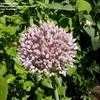
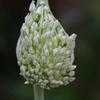
Elephant garlic (Allium ampeloprasum, Ampeloprasum Group) is not a true garlic but a variant of the leek species. It produces massive bulbs (up to 10 cm wide) with 4–6 enormous cloves, each the size of a regular garlic bulb. The flavor is mild, sweet, and garlic-like—perfect for roasting whole.
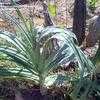
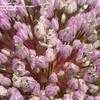
Tall, stout stems 1–1.5 m. Leaves are broad, flat, blue-green, 2–5 cm wide. In early summer, a spherical umbel of pink-purple flowers tops the stem (often removed to direct energy to bulb). Bulbs are composed of few, very large cloves with papery white skins.
| Family: | Alliaceae (or Amaryllidaceae) |
| Genus: | Allium (AL-ee-um) |
| Species: | ampeloprasum (am-pel-oh-PRAY-sum) |
Plant individual cloves 10–15 cm deep, 20–30 cm apart, in autumn (cold climates) or early spring (mild climates). Harvest when lower leaves yellow, typically early summer. Cure 2–3 weeks in shade. Stores 6–8 months.
Culinary: Roast whole heads; sauté slices; raw in mild dishes. Ornamental: Flower heads attract pollinators; architectural foliage. Companion: Repels pests from roses, fruit trees.
Elephant Garlic (Allium ampeloprasum): Mild Giant for Roasting and Planting
Sweet Fern (Comptonia peregrina): Native Nitrogen-Fixer with Fern-Like Foliage
Chervil (Anthriscus cerefolium): Delicate Anise-Flavored Herb for Spring
Fenugreek (Trigonella foenum-graecum): Ancient Spice and Medicinal Legume
Goldenseal (Hydrastis canadensis): Endangered Native Medicinal Herb of Eastern Forests
Common Myrtle (Myrtus communis): Fragrant, Evergreen Mediterranean Shrub for Topiary and Hedges
Anise (Pimpinella anisum): Sweet, Licorice-Flavored Annual for Seeds and Leaves
Licorice (Glycyrrhiza glabra): The Sweet Root of Herbal Medicine and Confectionery
Dorstenia bahiensis: Unusual Tropical Fig Relative with Shield-Shaped Flowers
Catstongue (Priva lappulacea): Tropical Groundcover with Sticky Seeds
Sesame (Sesamum indicum): Ancient Oilseed Crop for Seeds and Oil
Society Garlic (Tulbaghia violacea): Fragrant Foliage & Pink Blooms
Copyright © www.100flowers.win Botanic Garden All Rights Reserved