
Centipedegrass Fertilization: Timing, Rates, and Tips
Centipedegrass is a warm-season grass with productive growth between April and September. Fertilizer applications should be timed accordingly: late spring after green-up and again in mid-summer. The ideal fertilizer amo

Choosing the Right Turfgrass for Your Lawn
With several varieties available for each turfgrass type, selecting the best one for your situation can be challenging. The following information, adapted from a University of Georgia publication, breaks down the major o
Watering Zoysiagrass: Best Practices and Drought Tolerance
The best time to water any lawn is in the morning, preferably before noon. This allows grass blades to dry before nightfall, reducing disease risk. Always account for recent rainfall when determining irrigation amounts,

Why Fescue Declines in Summer and How to Manage It
Fescue lawns often look devastated by midsummer, with brown, lifeless patches appearing across the landscape. While extreme daytime heat plays a role, a less obvious factor is equally damaging: high nighttime temperature

Planting a Lawn from Seed: A Homeowner's Guide
If you want a beautiful lawn without the high cost of sod, seeding is a viable DIY option that can often be completed in a single weekend. However, success hinges on two critical factors: selecting the right grass specie
Fescue FAQ: Your Guide to Fall Planting and Care
Fall is the ideal season to plant fescue seed. Cool nights, warm days, and comfortable working conditions make it the perfect time to establish a lush, cool-season lawn. Ive compiled my most helpful fescue resources for
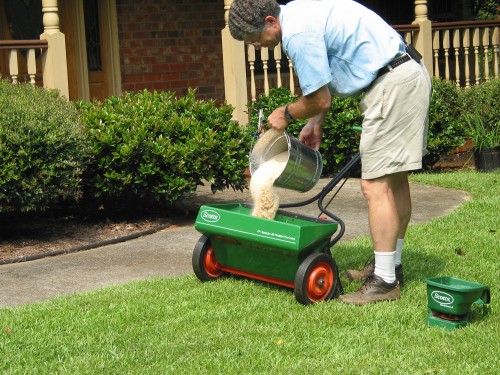
Why You Shouldn't Fertilize Bermuda Grass in Winter
Q: My lawn company wants to apply urea fertilizer to my bermuda lawn in January. Isnt this too early? UGA turf expert Clint Waltz says: Its best to withhold any nitrogen application to warm-season turfgrass species unt
How Siduron Controls Crabgrass Without Harming Fescue
Q: Can you explain how a fertilizer/pre-emergent combination using the chemical siduron can control crabgrass seed germination and not fescue? University of Georgia weed expert Tim Murphy provides the following insight:
Zoysia Grass Species and Varieties: A Complete Guide
Identifying the many species and cultivars of zoysiagrass can be confusing, even for seasoned turf professionals. To help clarify the landscape, I’ve compiled research from my colleague Tim Bowyer of Patten Seed Company,
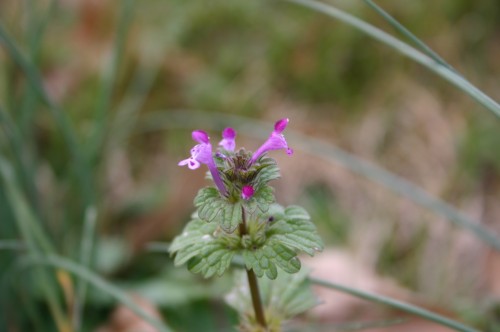
Lawn Weed Control Basics: Healthy Grass, Mechanical Removal, and Smart Herbicide Use
Consistent weed control requires a three-pronged approach—no single method suffices. 1. Healthy Lawn (Cultural) Dense, properly fertilized, watered, and mowed turf leaves no room for weeds. Weeds invade bare/thin areas

Zoysiagrass Variety Lineage: Scientific Names, Origins, and Release History
Dr. Tim Bowyer (Patten Seed) compiled this reference table to untangle zoysia taxonomy and cultivar history. Scientific Name Common Name Commercial Name Description Released By Date Zoysia japonica Japanese/Korea
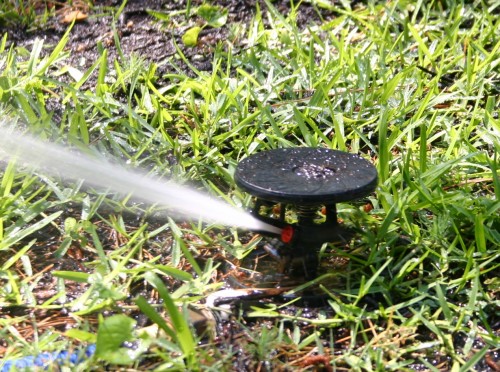
Watering Your Lawn Correctly: Amount, Timing, and Drought Strategies
Goal: keep top 6″ of soil slightly moist. Deep, infrequent soakings beat frequent light sprinkles. General Rules 1″/week in one application (summer). Spring/early summer: rarely needed—check soil moisture first. Best t

Lawns and Carbon Sequestration: Your Yard as a Climate Tool
Lawns pull CO₂ from air and store carbon in roots and soil. Ohio State research: lawns can sequester 25–204 g C/m²/year. A 5,000 sq ft lawn could sock away ~100 lbs of carbon annually. But: Fertilized lawns emit nitrous

Lawn Care Calendars and Cultivation Guides: Printable PDFs for Every Grass
Paper beats screens in the garage. Download and print UGA-based cultivation guides and monthly care calendars for each grass: Bermudagrass Cultivation & Care Calendar Tall Fescue Cultivation & Care Calendar Zoysiagrass

June Lawn Tips: Weed Control, Mowing, Watering, and Fertilizing
Spot-spray broadleaf weeds (violets, wild strawberry, mimosa, spurge). Raise mower one notch—helps grass withstand drought. Sharpen mower blade annually—critical for zoysia, saves water. Water new sod deeply and regular
Mysterious Crop Rectangles in Fescue Lawn: A Gardener's Funny Investigation
A metro Atlanta gardener discovered seven perfect rectangles of dead grass in his lawn. Instead of just fixing it, he made a humorous short film investigating “paranormal activity” in the landscape. Sometimes the journey

Evaluating 'Princess 77' Bermudagrass and Heat-Tolerant Bluegrass: Your Experience Needed
Two newer grasses—seeded ‘Princess 77’ bermudagrass and heat-tolerant bluegrasses (Thermal Blue, Reveille, etc.)—have been on the market for several years. Real-world feedback is needed: Princess 77: Color vs. sodded b

Fescue Planting 1-2-3: Seed, Sod, Water, Fertilize, Lime
60°F. Variety choice matters less than execution—follow these steps. New Lawn from Seed Glyphosate 2 weeks pre-plant. 1″ soil conditioner, till 6″. Rake smooth, remove debris. Roll to reveal low spots; fill. Seed 5–8 l
UGA Lawn Publications: Free Research-Based Guides for Every Grass and Problem
The University of Georgia offers a library of free, peer-reviewed publications covering every aspect of lawn care. Key titles: Basics of Turfgrass Fertilization Bermudagrass Control in Southern Lawns Bermudagrass Lawn

Lawn Fertilizing Summary: Timing, Rates, and Tips by Grass Type
Soil test (georgiasoiltest.com or 1-800-ASKUGA-1) is best. Without it, follow these rule-of-thumb schedules for common Georgia grasses. Bermudagrass 65°F. Every 6 weeks until mid-Sept. Winterizer optional mid-Sept; non
Copyright © www.100flowers.win Botanic Garden All Rights Reserved