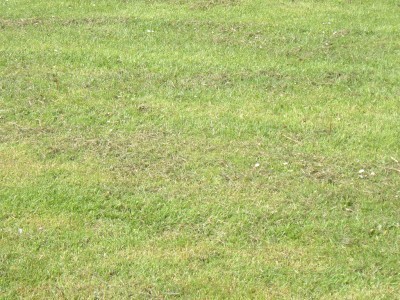
How to Level a Lawn: Fix Uneven Low Spots and Ruts the Right Way
Many homeowners reach for sand to level a bumpy lawn, but using pure sand often creates more problems than it solves. Most lawns already contain clay, and adding straight sand on top can turn the soil into a concrete-li

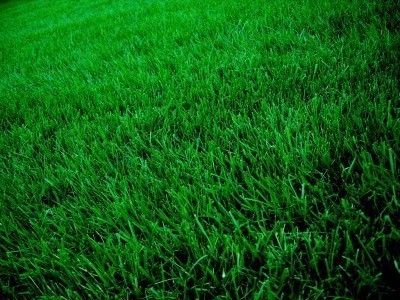
DIY Lawn Care Basics: Fertilizing, Weeding, Watering & Mowing for a Great Lawn
A beautiful lawn is achievable without pros — it takes knowledge, consistency, and patience. Know Your Grass Identify your grass type and its needs. For new lawns: match grass to your soil, climate, and site. Prep soil t
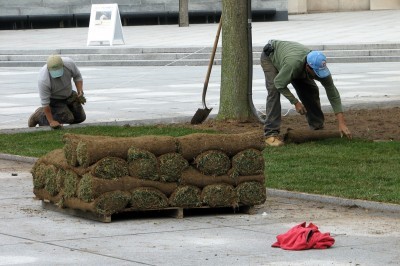
How to Lay Sod: Preparation, Installation & New Sod Care
Sod gives instant lawn — but only if installed and cared for correctly. Selection & Prep Choose ≥1-inch thick sod; match soil type and sun exposure. Amend soil with organic matter; ensure 4–6 inches loose topsoil. Remov
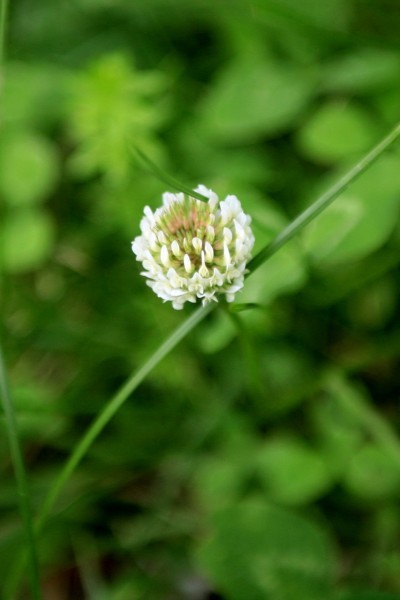
Lawn Weed Identification Guide: Common Annual & Perennial Weeds
Weeds reveal soil conditions and require different strategies. Annuals (shallow roots, one season) vs. perennials (deep roots, return yearly). Common Annual Weeds Chickweed, crabgrass, ragweed, spotted spurge, knotweed,
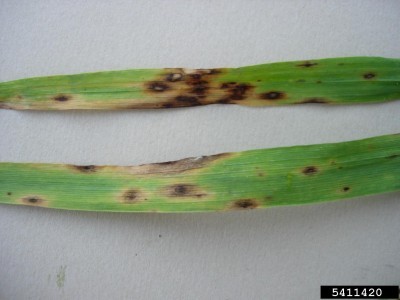
Common Lawn Fungus Diseases: Leaf Spot, Melting Out & Necrotic Ring Spot
Three fungal diseases cause major lawn damage. Correct ID leads to targeted treatment. Leaf Spot (Bipolaris sorokiniana) Purple-brown spots on blades; untreated → crown/root rot → thin lawn. Treatment: proper mowing hei
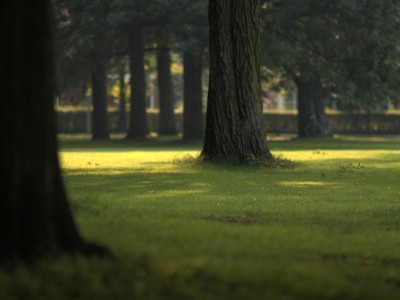
Growing Grass in Shade: Realistic Expectations & Cultural Practices
Deep shade grass is a myth. But with 4+ hours of light (natural or via pruning), acceptable coverage is possible if you adjust expectations and practices. When to Choose Alternatives In deep shade where pruning fails: us
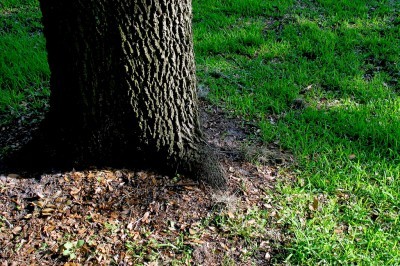
Shade-Tolerant Grasses: Best Varieties for Low-Light Lawns
No grass grows in total darkness, but several tolerate shade with 4+ hours of indirect light. Match the grass to your shade level and climate. Top Shade-Tolerant Varieties Red Creeping Fescue: Cool-season; excellent dee

Dog Urine Lawn Damage: Prevention, Diet & Resistant Grass
Yellow spots with green rings? Dog urine. But first, confirm its not fungus: tug test — fungus pulls up easily; urine-damaged grass stays rooted. Urine spots have bright green edges; fungus doesnt. Prevention Strategies
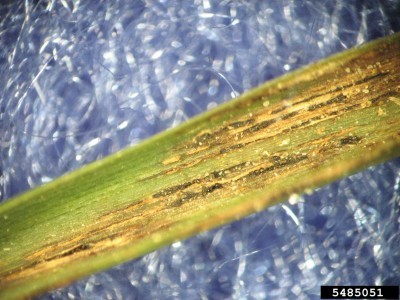
Lawn Rust Fungus: Identification, Impact & Cultural Control
Orange-red dust on grass blades? Lawn rust — a fungus that appears when growth slows (late summer/fall, dry weather, low nitrogen). It weakens grass but rarely kills it. Identification Pull blades: coated with orange-re
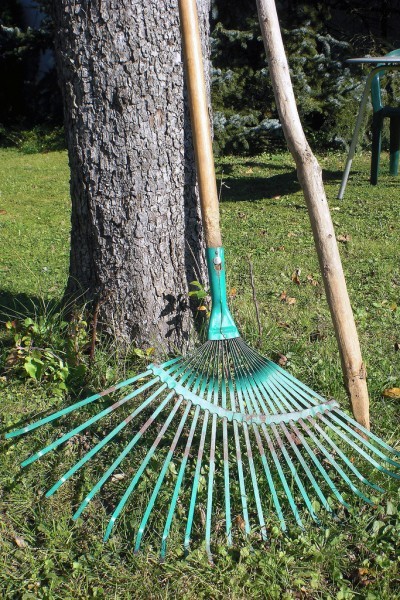
Lawn Thatch Control: Causes, Removal & Prevention Strategies
1 inch blocks air, water, fertilizer, and forces roots into the thatch layer. Causes & Prevention Common in acidic, compacted soil. Drivers: excess nitrogen, pests/disease, improper mowing. Choose low-thatch grasses: ta
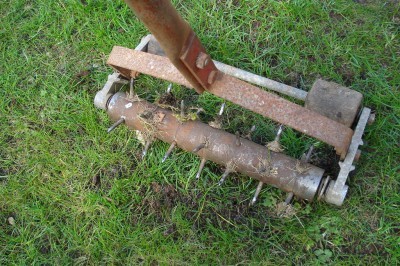
Lawn Aeration Benefits, Timing & Tools: Complete Guide
Aeration breaks through thatch, opening pathways for water, nutrients, and air to reach roots. It also stimulates root growth and supports earthworm activity. When to Aerate Soil must be moist. Warm-season grass: spring
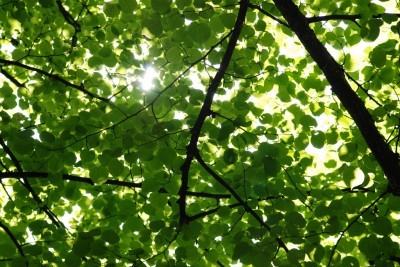
Managing Shade in Lawns & Gardens: Pruning, Plant Choices & Design
Heavy shade challenges grass but offers opportunities. Reduce shade strategically or embrace it with adapted plants. Reducing Shade (Pruning) Remove up to 25% canopy safely at once; keep ⅔ height in branches. Cut outsid
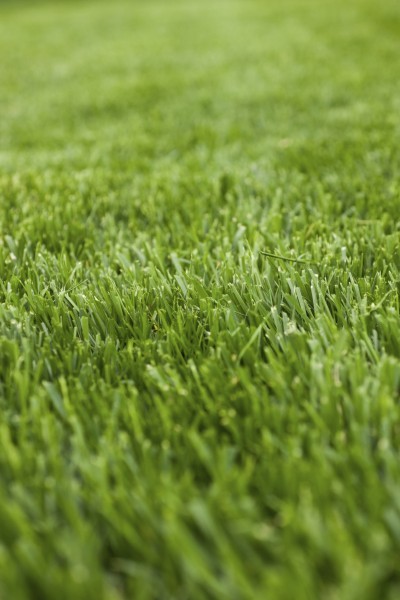
Cool-Season Grasses: Varieties, Identification & Planting Guide
Cool-season grasses grow in spring/fall, brown in summer heat and winter cold. Turf types: Perennial/annual ryegrass, Tall/creeping fescue, Kentucky bluegrass, Bentgrass. Ornamentals: Northern sea oats, Fescues, Tufted h
Warm-Season Grasses: Types, Planting & Care for Hot Climates
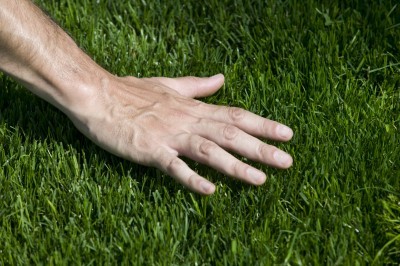
Warm-season grasses thrive in heat, go dormant in cold. Key varieties: Bermuda, Centipede, Zoysia, Buffalo, Bahia, St. Augustine, Carpet grass. Choose based on your region — consult local extension. Planting & Establishm
Lawn Topdressing: When, Why & How to Apply a Thin Soil Layer
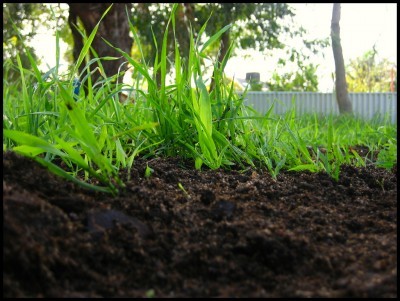
Topdressing — a thin (⅛–½ inch) soil layer over turf — levels surfaces, amends soil, manages thatch, and protects from temperature extremes. Common on golf greens; occasionally useful for home lawns with severe unevennes
Earthworm Castings in Lawns: Beneficial but Bumpy — Management Tips
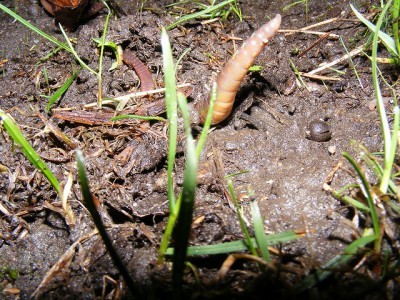
Quarter-sized soil mounds? Earthworm castings — nutrient-rich excretions from worms eating organic matter. They signal healthy soil but can make lawns lumpy. The Good News Castings = concentrated nutrients. Tunnels aera
Sod Webworm Control: Lifecycle, Detection & Targeted Treatment
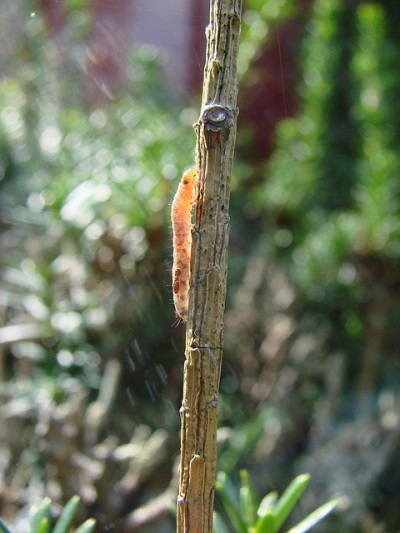
Brown patches in cool-season turf, especially sunny/dry edges? Sod webworms — larvae of small brown moths — chew grass blades and build silk-lined tunnels in thatch. Detection Spring: thin, short patches from early feed
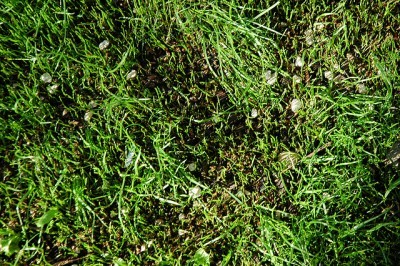
Overseeding Lawns: Timing, Grass Selection & Step-by-Step Guide
Overseeding — seeding into existing thin or patchy turf — restores density. Also used to keep warm-season lawns green in winter with cool-season seed. Grass Selection Match existing grass if it performs well. For pest-p
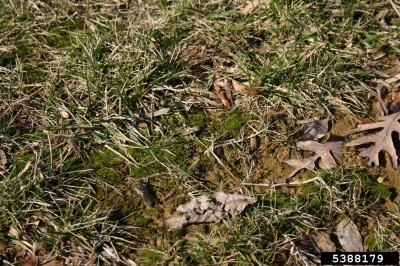
Algae Control in Lawns: Drainage Fixes & Cultural Solutions
Green-to-black scum on soil surface? Algae — thriving in wet, sunny, compacted, or over-fertilized areas. It crusts over when dry, smothering grass and blocking water. Non-Chemical Control Fix drainage: redirect downspo
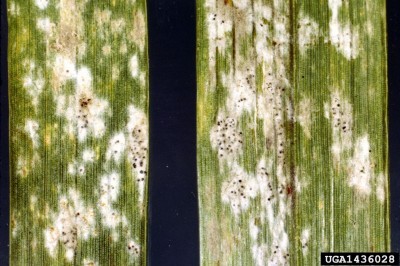
Powdery Mildew on Lawns: Shade Management & Cultural Control
White, talcum-powder patches on grass blades indicate powdery mildew — a shade-loving fungus that signals the site isnt right for turf. Root Cause & Solution Grass needs sun and airflow. Powdery mildew thrives in shade w
Copyright © www.100flowers.win Botanic Garden All Rights Reserved