



Weed Control in Zoysiagrass: Strategies, Herbicides, and Specific Weed Solutions
Three-Method Weed Management Healthy Lawn: Proper fertilization, watering, mowing = dense turf that resists weeds. Mechanical: Frequent mowing at correct height; hand-pull annuals. Chemical: Herbicides at right ti

Zoysiagrass Diseases: Brown Patch, Dollar Spot, Rust, and Diagnosis
Prevention First Proper fertilization, mowing, and watering beat fungicides for disease control. Three Common Diseases Brown Patch 3 ft, sometimes doughnut pattern. Control: moderate summer fertilization, early morning
Overseeding Zoysiagrass with Ryegrass: Why It's Not Recommended
Q: Can I overseed my zoysiagrass with ryegrass for winter color? A: Ryegrass competes strongly with zoysia if it germinates—which is hard because zoysias thick canopy prevents seed-to-soil contact. Not recommended.
Core Aeration for Centipedegrass: Timing, Equipment, and Benefits
When to Aerate Early summer during rapid growth. On compacted soils, twice yearly is fine. Fertilize and water after for quick recovery. Why Aerate? Pokes holes for water, oxygen, nutrient penetration → deeper roots → b
Dethatching Centipedegrass: When It's Needed and How to Do It Safely
Thatch Basics ½ inch restricts air, water, fertilizer, and root growth; encourages pests and diseases. Remove with vertical mower or power rake. Timing & Technique Early spring before green-up, or during rapid growth
Centipedegrass Diseases: Identification, Prevention, and Management
Disease Prevention Through Proper Care Proper fertilization, mowing height, and watering are better than fungicides for disease control. Three Common Diseases Brown Patch 3 ft wide, sometimes with green center (doughnut
Centipedegrass: The "Poor Man's Lawn" – Characteristics, Care, and Varieties
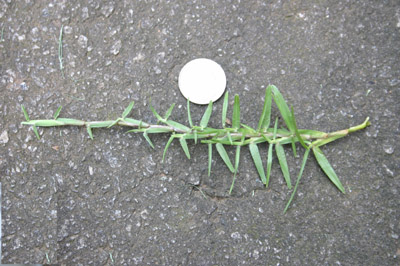
Overview Centipedegrass is a warm-season turf, green in summer, dormant in winter. Gray-green color, spreads rapidly by above-ground runners, low growth habit means less frequent mowing. Its a good low-maintenance choice
Liming Centipedegrass: Soil pH Management for Acid-Loving Turf
Centipedegrass pH Preferences Unlike most turfgrasses (pH 6.0–6.5), centipedegrass and carpetgrass thrive at pH 4.5–6.0. Proper pH maintains nutrient availability. When & How Much Lime Lime can be applied anytime, but q
Mowing Centipedegrass: Height, Frequency, and Blade Care for a Healthy Lawn
The Golden Rule: Mow at 1.5 Inches Max Mowing higher than 1.5 inches is the primary cause of centipedegrass problems, leading to substantial winter injury. Only remove one-third of the blade per mowing—so at 1.5-inch hei
Establishing Centipedegrass from Seed: Complete Guide
Timing & Site Prep Plant seed in May or June. Kill weeds two weeks prior. Till 6 inches deep, incorporating lime and fertilizer per soil test (or 20 lbs 5-10-15 per 1,000 sq ft + 1 inch compost if untested). Rake smooth,
Complete Guide to Establishing Centipedegrass from Sod
Site Preparation Kill weeds with non-selective herbicide two weeks before planting. Till thoroughly to 6 inches, incorporating lime and fertilizer per soil test (or 50 lbs lime + 20 lbs 5-10-15 per 1,000 sq ft if un
Planting Centipedegrass Runners (Sprigs) into Existing Fescue
Simple Sprigging Method Cut runners into 12-inch pieces. Jab a shovel into the ground to create a shallow trench. Place 6 inches of runner in the trench. Firm soil around runner with your heel. The buried porti
Troubleshooting Poor Spring Green-Up in Centipedegrass
Why Centipedegrass Struggles to Green Up Spring green-up depends on temperature and past cultural practices, not just current conditions. The two most common causes of poor green-up are: Mowing too high: Above 1.5 inc
Watering Centipedegrass: Best Practices for Healthy Turf
Optimal Watering Time Water in the morning, preferably before noon, so grass dries before nightfall—reducing disease risk. Adjust for rainfall and local restrictions (check georgiadrought.org). Measuring Sprinkler Outpu
Weed Control Strategies for Centipedegrass Lawns
Three-Pronged Weed Management Effective weed control requires combining three methods: Healthy Lawn Practices: Proper fertilization, watering, and mowing create dense turf that resists invasion. Mechanical Control:
TifBlair Centipedegrass: The Improved, Cold-Hardy, Low-pH Tolerant Variety
Overview TifBlair is the first improved, seeded centipedegrass with a documented pedigree. Both seed and sod are available. It outperforms common centipedegrass in multiple key areas. Superior Late-Season Color & Qualit
Dethatching St. Augustine Grass: When, Why, and How to Do It Safely
Understanding Thatch Thatch is a layer of partially decomposed plant material on the soil surface. Over ½ inch thick, it restricts air, water, and fertilizer movement, hinders root development, and harbors pests and dise
Core Aeration for St. Augustine Grass: Timing, Techniques, and Benefits
When to Aerate St. Augustine Grass The ideal time is early summer when the grass is growing rapidly. On heavily compacted soils, aerating twice a year is beneficial. Always fertilize and water after aeration to speed rec
Diagnosing and Managing St. Augustine Grass Diseases
St. Augustine Decline (SAD) Virus: Rare in Georgia SAD is primarily found in Arkansas, Louisiana, Mississippi, and Texas—virtually unknown in Georgia. Symptoms include gradual yellowing and die-back over three years, spr
St. Augustine Grass: The Ultimate Guide for Southern Lawns
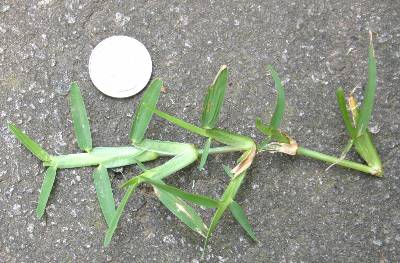
Why St. Augustine Grass Thrives in the South St. Augustine grass is a top choice for sandy soils across the lower South. While its common from Macon to Atlanta, north of Atlanta it risks cold injury in most winters. Desp
Copyright © www.100flowers.win Botanic Garden All Rights Reserved