


Lawn fertilizers supply nitrogen (urea, ammonium nitrate, urea formaldehyde, ammonium phosphate) which bermudagrass needs in abundance. Granular forms last up to 3 months; slow-release products are superior to quick-release types like 10-10-10.
Use cyclone or drop spreaders, properly calibrated. Apply half in one direction, half at right angles for even coverage.
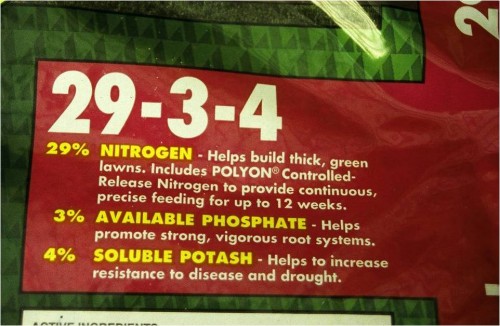
Grass can't read ads! Similar nutrient numbers perform similarly. Compare by first number (nitrogen). Better brands include slow-release nitrogen.
Follow bag directions or divide first number into 100 for pounds per 1,000 sq ft. Example: 30-3-9 → 3.3 lbs per 1,000 sq ft.
Q: What is the best fertilizer for a lawn?
A: Any lawn-labeled product with similar numbers. Choose by price. For centipede use 15-0-15; for fescue, bermuda, zoysia – similar numbers = similar results. Better brands have slow-release nitrogen.
Q: Can I apply lime and fertilizer together?
A: Yes, if turf is dry. Particles won't stick to blades; they'll fall to soil and activate with rain.
West Tennessee Lawn Weeds: Bermuda Grass Needs Summer Fertilizer, Not Spring
Reviving a Neglected 1-Acre Lawn: Fertilizer Strategy, Aeration, and Maintenance
Repairing Fertilizer-Burned Lawn Spots
Connecticut Lawn Weed Control and Fertilization: Separate for Best Results
Seedling Fertilization: Rates, Timing, and Slow-Release Options
Cool-Season Lawn Care in Portland: Fertilization Schedule and Clover Control
Bermudagrass Care in Mississippi: Organic Sugar Program vs. Synthetic Inputs
Fertilizing Maple Trees: Zero Nitrogen, High Phosphorus/Potassium
Fertilizing Ti Plant: Less Is More
Fertilizing 2-Month-Old Seeded Lawn in Central Wisconsin (40s/30s)
DIY Lawn Care Program for Indianapolis: Corrected 7-Step Schedule Without Over-Fertilizing
Spring Lawn Recovery in the Carolinas: Fertilize, Seed, and Weed Control Without Irrigation
Why Synthetic Fertilizer (13-13-13) Isn't the Answer for Shade Fescue
Copyright © www.100flowers.win Botanic Garden All Rights Reserved