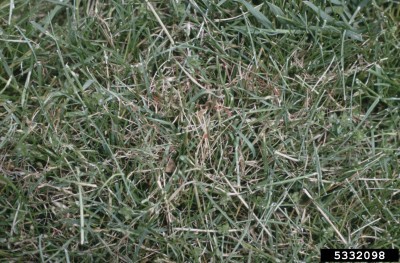
Pink Patch & Red Thread Lawn Diseases: Cultural Control for Pink Fungus
Pink cottony growth or red threads in dying grass signal two distinct fungal diseases driven by weather — not fixable by fungicides alone. Pink Patch (Limonomyces roseipelli) Slow-growing; tan-to-pink circular patches (

Slime Mold on Lawns: Harmless, Beneficial & Easy to Remove
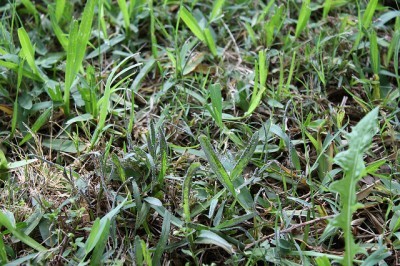
Those colorful (often black) patches creeping across grass blades? Slime mold — a primitive organism that eats dead matter, bacteria, and other molds. Its not a disease; its a cleanup crew. What to Know Appears in warm,
What's Digging Holes in My Yard? Identifying and Solving Lawn & Garden Holes
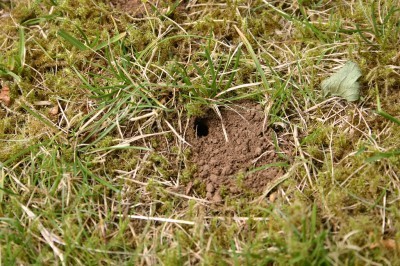
Mysterious holes in the lawn or garden can be frustrating. The culprit could be animals, children, rotten roots, flooding, or irrigation issues. Size and location are your best clues. Small holes usually come from insect
Landscape Netting for Erosion Control: Types, Uses & Installation
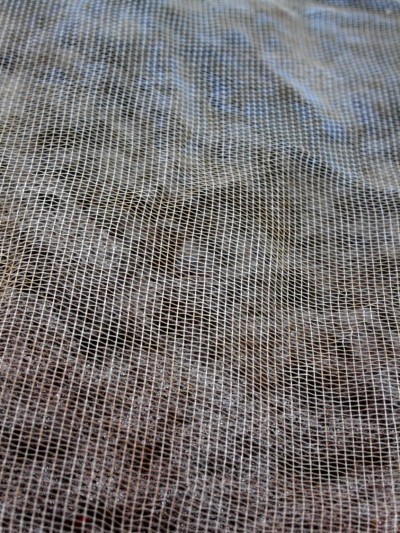
On slopes, windy sites, or erosion-prone areas, landscape netting holds seed and soil in place until vegetation establishes. Common Netting Materials Jute: Natural fiber, biodegradable (one season), grid-woven, staked o
Dollar Spot Fungus vs. Spider Webs: Identification & Lawn Treatment
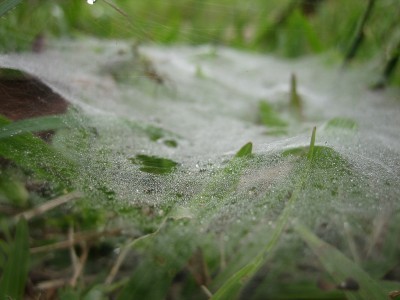
Cobweb-like threads on dew-covered grass that vanish when dry? Could be dollar spot fungus — or harmless grass spiders. Dollar Spot Fungus Silver-dollar-sized brown spots that coalesce into irregular patches. Mycelium l
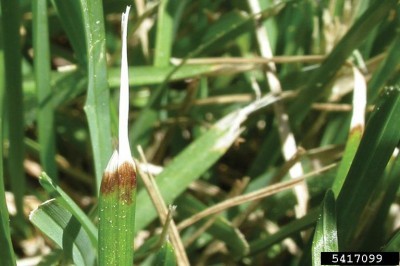
Ascochyta Leaf Blight on Lawns: Symptoms, Causes & Cultural Control
Sudden large brown or bleached patches during wet-dry weather swings often signal Ascochyta leaf blight — a foliar fungus that rarely kills grass crowns or roots. Identification Common on Kentucky bluegrass, tall fescue,
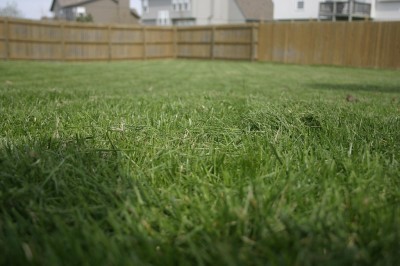
Lawn Fertilizer Application: Timing, Spreader Types & Pro Tips
A proper fertilization schedule is the backbone of a great lawn. Timing, technique, and product choice all matter. When to Fertilize All lawns need early spring feeding at green-up. Subsequent schedule depends on grass t
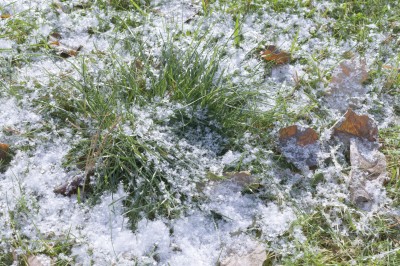
Winter Lawn Damage: Causes & Repair for Cold-Injured Grass
Spring reveal can be disappointing: winter damage from crown hydration, snow mold, voles, or desiccation. Most damage is repairable with the right approach. Common Winter Injuries Crown hydration: Warm spell + sudden fr
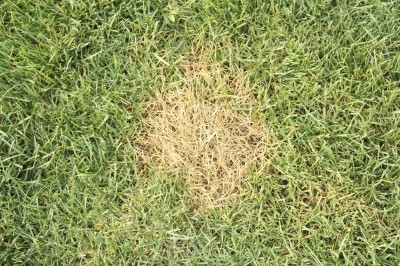
Fixing Brown Spots in Lawns: Simple Cultural Fixes Before Diagnostics
Brown patches have many causes, but most respond to the same core cultural corrections. Try these first before investing in diagnostics. Four Fundamental Fixes ½ inch: Thick thatch sponges water, starves roots, breeds f
Snow Mold on Lawns: Identification, Treatment & Prevention
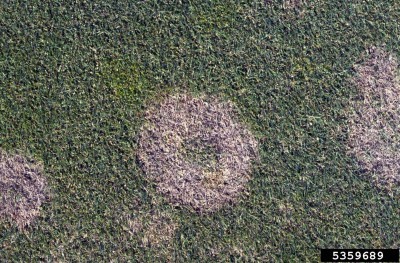
Those straw-colored patches and matted rings after snowmelt? Snow mold — a cold-tolerant fungus that thrives under insulating snow cover. How It Develops Snow insulates the ground, keeping it unfrozen while air temps dro
Meadow Grass Management: Establishment, Maintenance & Control
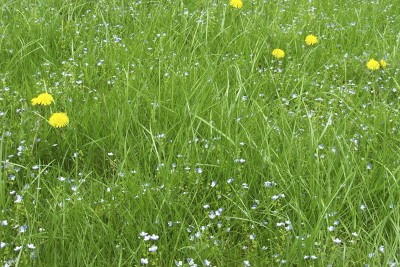
Native meadow grasses offer low-maintenance beauty, erosion control, and wildlife habitat — but they need guidance to stay where they belong. Why Choose Meadow Grasses Adapted to local conditions; drought-tolerant once
Spring Lawn Care: Cleanup, Watering, Fertilizing & Mowing Timeline
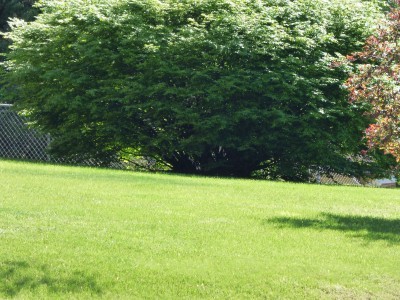
Summer lawn success starts with spring patience. Rushing in too early causes more harm than good. Spring Cleanup Wait until soil is dry — walking on wet ground compacts it and damages tender roots. Then gently rake dead
Mowing Your Lawn the Right Way: Height, Frequency & Blade Care
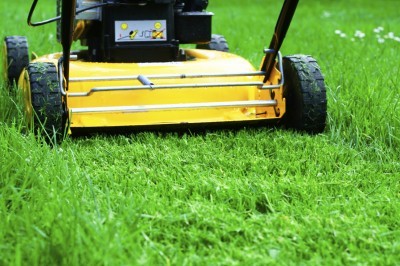
Proper mowing is foundational to lawn health. Its not just about cutting grass — its about how, when, and how high. Core Mowing Rules Mow when grass is dry — wet turf spreads disease and clogs mowers. Avoid midday heat

Artificial Grass Pros & Cons: Is Synthetic Turf Right for Your Yard?
Modern artificial turf mimics real grass convincingly, but its a significant investment with trade-offs. Pros No watering, mowing, or fertilizing. No chemicals leaching into groundwater. Variety of colors, blade heights
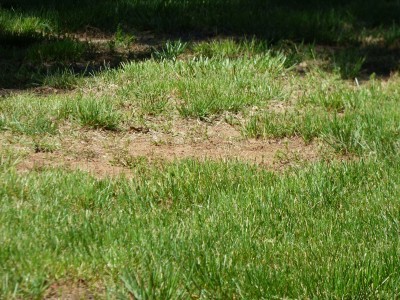
Brown Lawn Diagnosis: Why Grass Dies & How to Revive It
A brown lawn isnt always dead. Dormancy, cultural issues, pests, and disease all cause browning — but the fix depends on the cause. Top Causes & Solutions Drought: Grass goes dormant after 2–3 weeks without water; survi

Liming Your Lawn: When, Why & How to Raise Soil pH
Most grasses thrive at pH 6.0–7.0. Below 5.5, nutrients lock up and fertilizer wont help. Lime corrects acidity — but only if your soil actually needs it. Do You Need Lime? Rainy regions with acid-loving plants (rhodode
Lawn Painting: How to Paint Grass Green for Instant Curb Appeal
Lawn paint — used for years on golf courses and athletic fields — is now a drought-era solution for homeowners wanting green grass without heavy watering. What You Need to Know Quality paint is biodegradable, non-toxic
Epsom Salt for Lawns: Does It Work? Magnesium Benefits & Proper Use
Epsom salt (magnesium sulfate) is a popular garden hack, but its lawn benefits are specific: it corrects magnesium deficiency, not a universal tonic. What Epsom Salt Actually Does Magnesium is central to chlorophyll and
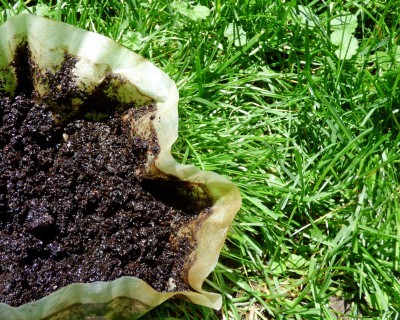
Using Coffee Grounds as Lawn Fertilizer: Benefits & Application Methods
Spent coffee grounds offer a free, slow-release source of nitrogen, phosphorus, and trace minerals — plus they attract earthworms, natures aerators. Why Coffee Grounds Work Nutrients release gradually, avoiding burn and
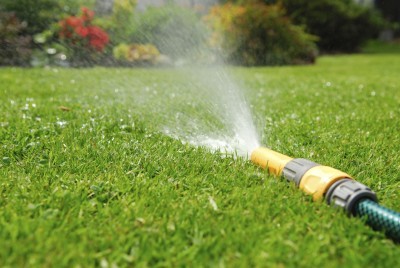
Lawn Watering Guide: When, How Much & Best Practices for Healthy Grass
Watering correctly is the single most impactful lawn care practice. Too little = drought stress; too much = shallow roots, disease, and waste. When to Water Water only when the lawn shows stress signals: Bluish-green ti
Copyright © www.100flowers.win Botanic Garden All Rights Reserved