


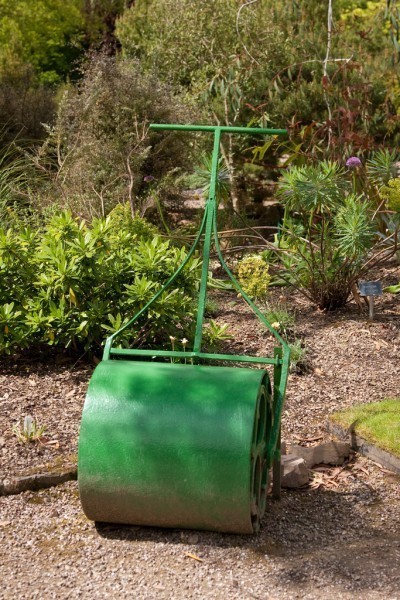
Lawn rolling sparks debate: some swear by it each spring, while others warn it compacts soil and damages grass. The truth lies in between. Rolling isn't a routine chore—it's a targeted fix for specific situations.
Outside these cases, rolling does more harm than good by compacting soil and restricting root access to air and water.
Follow these guidelines, and rolling can be a useful tool—not a routine that ruins your lawn.
Lawn Burned by Fertilizer on Yellow Spots: Diagnosis and Recovery
Fairy Ring in Lawns: Mycelium Mats Block Water and Require Aeration Plus Fungicide
Managing Spongy Bermuda Lawn on Sandy Soil
Starting a Garden with Flowers, Rock Bed, and Waterfall: Read Books First, Then Plan
Moss Control in Pennsylvania Lawns
Starting a Lawn from Scratch: Seed Selection, Soil Prep, and Establishment
Troubleshooting Grass Seed Failure in Tucson's Desert Climate
Year-Round St. Augustine Care in Southern California
Improving Hard, Uneven Malaysian Grass in Thailand for Barefoot Comfort
How Grass Thickness Affects Water Absorption and Conservation
Annual Curb-Side Dieback in DC: Not a Seed Problem
Tiny Flies on New Sod: Harmless Adults, Watch for Larvae
Fertilizer Math: 50-lb Bag, 5,000 sq ft, Drop Spreader Settings
Copyright © www.100flowers.win Botanic Garden All Rights Reserved