


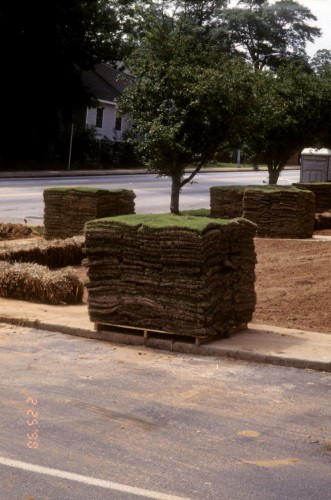
In the Southeast, trees and ornamentals are routinely transplanted dormant (late fall/early winter) because root balls are deep enough for continued root growth in cool soils. For turfgrass sod, where roots originate at the surface, dormant sodding is riskier. Surface soil temps mimic air temps – if air freezes, new sod roots can freeze.
Increased winter injury observed on zoysiagrass and centipedegrass vs. bermudagrass sodded late. Yet dormant sodding of warm-season grasses isn't uncommon.
See Sodding Dormant Grass for more details.
St. Augustine Sod Installation in San Bernardino: Timing, Soil, and Success
Long Island Fall Seeding Into Crabgrass: Don't Retill, Spring Reset
Choosing the Right Sod for Your North Carolina Lawn: Bermuda vs. Zoysia
Fall Mowing Height: Protect Your Lawn Through Winter
Reviving Dormant Bermuda Sod: Water, Sugar, and Patience
Dealing with Buried Rocks Under New Sod: Removal vs. Soil Building
New Zoysia Sod: Skip Fertilizer, Test Soil, Water Right
Amending Soil Before Laying Sod: Less Is More
Winter Watering Strategy for Drosophyllum (Dewy Pine)
How to Lay Sod: Preparation, Installation & New Sod Care
Preparing Sandy Soil for Sod in Southeast Georgia
Planting Shrubs in Winter: Yes, If the Ground Isn't Frozen
Winter Weed Control: The "Wipe-On" Herbicide Method for Dormant Lawns
Copyright © www.100flowers.win Botanic Garden All Rights Reserved