

Pond Water Loss: Evaporation vs. Leak Detection
The 2–3 cm/Week Test 8×7 ft, 2.5 ft deep, waterfall. 2–3 cm loss in a week in warm weather = likely evaporation. A 56 sq ft surface loses ~1/4 daily in 80°F sun + wind + waterfall splash. Definitive Bucket Test Fill 5-

Submersible Pump Airlock After Power Outage: Priming Fix
The Problem: Airlock Power cut → pump stops → water drains back → air fills volute/impeller chamber. On restart, pump spins but moves air, not water. Common in submersibles with vertical discharge. Fix: Submerge & Burp
Aquatic Plant ID: Emergent vs. Submergent & Light Needs
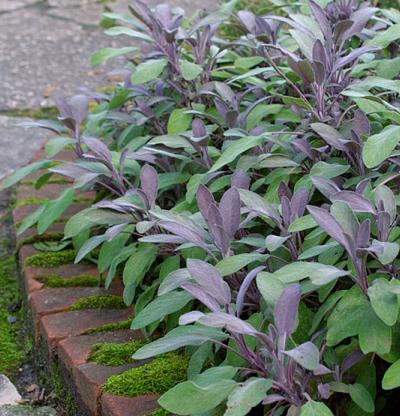
Identifying Your Mystery Plant Photo shows stiff stems, fine needle-like leaves → likely an emergent plant (roots submerged, foliage aerial). Examples: dwarf cattail, umbrella palm, rushes, sedges. Plant Categories & Ca
Post-Predator Attack: Fish Trauma, Hiding Spots & Critter Control
Fish Behavior After Attack 12 large goldfish (5–12) + babies attacked (scales/blood on ground). 4 days later: hiding, not eating, lost tameness. This is normal. Fish are prey animals; trauma response lasts days to weeks.
Wintering Koi in Minnesota: Why a Fish Bowl Failed & How to Do It Right
The Tragedy Two 8 koi placed in a fish bowl with plants, pond water, adjusted feeding → dead in 2 days. Cause: suffocation. Bowls have minimal surface area → no gas exchange. Plants consume O₂ at night. No filtration → a
First Winter Pond Care: Kansas City Zone 6 Guide
Your Setup 5×7 ft, 24 deep, 4 goldfish, 1 small koi, pump/filter, floating oxygenators. KCMO winters: sustained freezes, occasional sub-zero. Step-by-Step Winterizing Remove floating plants (oxygenators) — they rot, ad
Pond Silt as Premium Topsoil: Value, Buyers & Extraction
What You Have 15-acre pond, 15 ft deep silt (soil lume dirt) = ~12 million cubic yards. Neighbor sold 2-acre equivalent for $85K. Your deposit is potentially worth millions — if accessible and marketable. Composition &
Winter Pond Draining: Why Keeping Water In Protects Your Liner
Dont Drain Hard Plastic/Liner Ponds Two hard plastic ponds (one with liner overlay) in a cold climate. Owner wants to drain and bring fish in. Bad idea. Risks of Empty Ponds in Winter Groundwater buoyancy: Rain/snowmel
Outdoor Fountain Turns Blue-Green After Muriatic Acid: Fix & Prevention
What Happened Milky water → muriatic acid (HCl) → cleared → blue-green tint. Acid dissolved mineral scale (carbonates) but also: Lowered pH drastically → copper leaching from plumbing/fittings → blue-green (copper carbo
DIY Pond Greenhouse: Wintering a 120-Gal Shell in Alabama
The Setup Works 120-gal preformed pond, 22 deep, 5 goldfish + fry, screen frame → add 6 mil plastic + de-icer = functional greenhouse. Alabama winters (zone 8a) rarely sustain deep freezes; this setup prevents surface se
Halloween Fogger Kills Pond Fish: CO₂ Suffocation Explained
The Tragedy A 6-hr fogger run in a basement laundry room holding a 4×3×3 ft winter pond killed $700+ of koi, goldfish, plecos, minnows, snails. Only turtles (at college) survived. Fog juice label: asthma warning but no f
Water Lily Planting Depth: How Deep Is Too Deep?
General Rule: Light Limits Depth Water lilies need leaves to reach the surface for photosynthesis. Maximum planting depth depends on variety: TypeMax DepthNotes Hardy lilies (most common)18–30Dwarf: 12–18; Standard: 18–
Natural Pond Restoration: Aeration, Brown Water & Muck Removal
Post-Dredge Expectations ¼-acre, 6–8 ft deep natural pond, muck sucked out, well water (2,400 gph) feeding waterfall. Tea-colored water = tannins from disturbed organic soils. This is normal and temporary. Aeration: Wat
Koi Pond Under Mulberry Tree: Root Invasion, Fruit Toxicity & Maintenance
Installing a koi pond under an existing mulberry tree risks root invasion, fruit overload, and toxic leachates — high maintenance, questionable safety. Tree Risks Roots seek water: Will penetrate liner, plumbing, fil
Winterizing a Shallow Fishless Pond: Liner Protection & De-icing
The Strategy: Keep It Full A 2–2.5 ft deep soft-liner pond in NE Mississippi (zone 7b/8a) should stay full of water all winter. Draining risks liner float (groundwater buoyancy), UV damage, and freeze-cracking of empty l
Repairing a Leaking Cement Dam with Clay: Water Pressure Matters
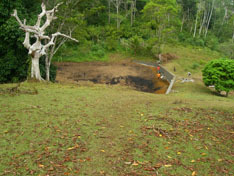
The Core Challenge Sealing a leak on the water-side of a cement dam with clay is possible but hinges on water pressure. A bell-shaped mound of compacted clay at the base can work if the structure withstands the force. C
Betta White Patches & Goldfish Lumps: Salt, Diagnosis & Treatment
Betta: Not Ich, Likely Fungal/Bacterial White patches on tail/fins (not body) suggest Columnaris (cotton wool disease) or fungal infection—not Ich (which appears as salt-like speckles on body). Salt is not curative here.
Pond Temperature Basics: What You Need to Know
There Is No Single Average Pond temperature varies by climate, depth, volume, shade, groundwater, and season. A 2-ft deep Florida pond hits 90°F; a 6-ft Minnesota pond stays near 39°F all winter. Key Ranges for Common F
Overwintering Koi in Basement Tanks: Feeding, Plants & Water Quality
Setup Essentials Minnesota winter: 100-gal basement tank, 60°F water, 18 hatchlings (2) + 18 adults (6–8). Pump + filter running. Darkness at night, some daylight. Feeding Protocol Feed daily50°F = active metabolism).
Feeding Koi in Florida's Unpredictable Winter Temperatures
Activity-Based Feeding Floridas swings (80°F → 39°F in 48 hrs) make calendar-based feeding dangerous. Instead, feed based on fish behavior. The Rule Active, mid-water swimming, begging: Feed normal summer ration. Botto
Copyright © www.100flowers.win Botanic Garden All Rights Reserved