


Why buy synthetic fertilizers when you can create effective, eco-friendly plant food from kitchen and yard waste? Homemade organic fertilizers save money, reduce chemical runoff, and build long-term soil health. Here are six simple recipes using common household items.
Plants need three primary macronutrients: Nitrogen (N) for leafy growth, Phosphorus (P) for flowers and fruit, and Potassium (K) for overall vigor. Micronutrients (magnesium, calcium, sulfur, etc.) and soil biology also matter. Organic fertilizers supply these slowly while improving soil structure and microbial life.
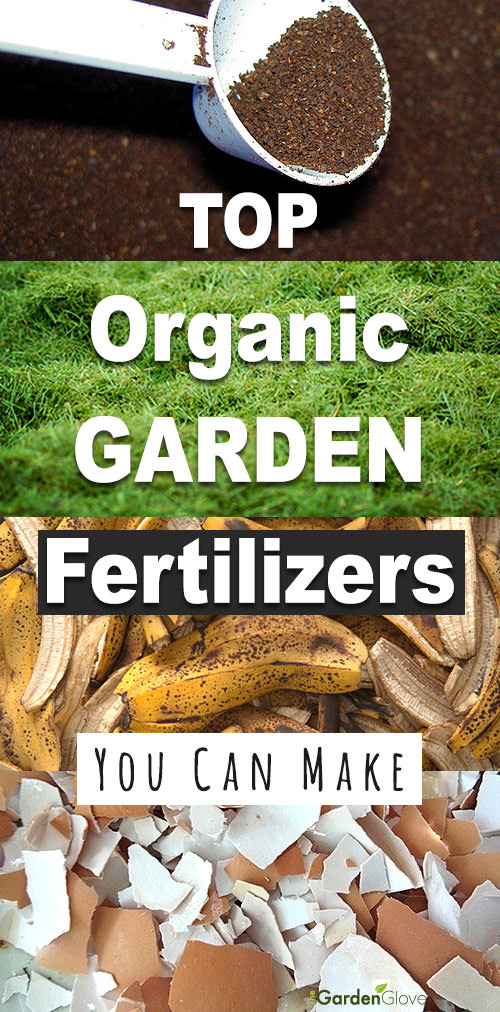
Best for: Acid-loving plants (roses, hydrangeas, blueberries, rhododendrons).
How: Work up to 25% used coffee grounds into soil around plants. Adds nitrogen, increases acidity, improves organic matter.
Best for: Flowering and fruiting plants (tomatoes, peppers, roses).
How: Bury a peel near the plant base to decompose. Or freeze overripe bananas, then bury. For a liquid feed: soak a peel in water 2–3 days, strain, and use as a foliar spray or soil drench.
Best for: Tomatoes, roses, peppers; prevents magnesium deficiency (yellowing between leaf veins).
Recipe: 1 tablespoon Epsom salt + 1 gallon water. Apply as a soil drench or foliar spray. Can also sprinkle 1 tbsp per 1–2 feet of plant height around base, then water in. Nearly impossible to overapply.
Best for: Preventing blossom-end rot in tomatoes (calcium deficiency).
Recipe: Boil 20 clean eggshells in 1 gallon water for a few minutes; steep overnight. Strain and use as spray or soil drench. Crushed shells can also be buried directly.
Best for: High-nitrogen boost for leafy vegetables and lawns.
Recipe: Fill a 5-gallon bucket with fresh clippings, cover with water, steep 3–5 days. Strain and dilute 1:10 (1 cup tea to 10 cups water). Apply to soil.
Best for: All-purpose, balanced nutrition with beneficial microbes.
Recipe: Same method as grass clippings tea, but use finished compost. Richer, more diverse nutrient profile.
Set aside a jar for eggshells, a bin for coffee grounds, and grab a box of Epsom salts on your next drugstore run. Your plants—and the planet—will thank you.
Building a Floating Carnivorous Plant Garden: Water, Fish, and Filtration
Garden Fertilizers Demystified: N-P-K Ratios, Timing & Organic Options
Save Money with These Top Organic Gardening Strategies
Organic Gardening for Beginners: 7 Practical Tips to Start Growing Naturally
Organic Gardening Tips You Can Implement Today
10 Essential Lawn and Garden Care Tips
Lawn Top Dressing Calculator: Improve Soil Health with Organic Matter
Expert Gardening Tips: Transform Your Skills and Your Garden
How Organic Gardening Helps You Thrive: A Beginner’s Blueprint
Step-by-Step Summer Garden Planting Guide
Preventing Plant Diseases in Your Garden: Essential Practices
Grow Your Own Organic Garden: Essential Tips for Beginners
Successful Organic Gardening: Proven Strategies for Higher Yields
Copyright © www.100flowers.win Botanic Garden All Rights Reserved