
Building a Staggered Pot Water Feature
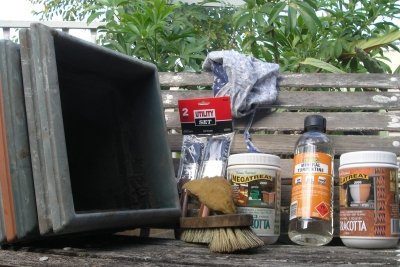
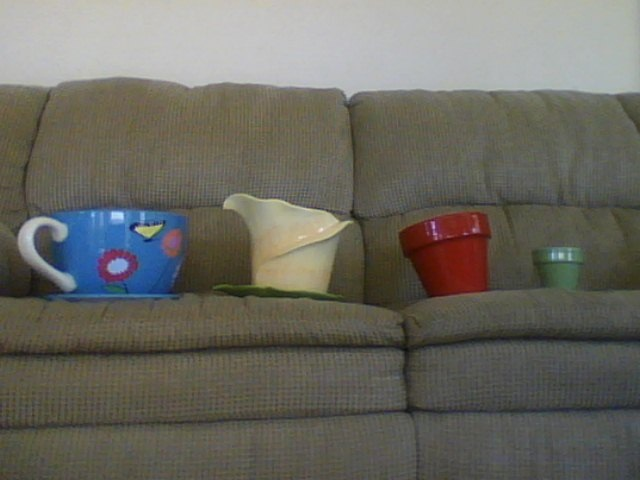
Design: Four Pots, Staggered Flow You have four pots (smallest to largest) and want a cascading water feature where water flows from top to bottom and recirculates, with each pot offset (not vertically stacked). Construc


Balancing Water Chemistry in a New 150-Gallon Pond
New pond with UV+biofilter: ammonia 0.50, nitrite 0.25, KH dropping (71→53), pH 7.5. Action plan: 0. Add KH+ (sodium bicarbonate) slowly: 1°dKH per 2 days. Add filter-start bacteria. Stop feeding until ammonia/nitrite
Winterizing a 300-Gallon Above-Ground Pond in Illinois
For a 300-gal poly tank in Central IL with 10–13 koi/goldfish: Remove waterfall to prevent freeze damage. Cover tightly with thick insulation. Add a pond heater/de-icer. Run an aerator/circulation pump. Shallow above
Tiny Worms in Pond Skimmer: Harmless or Not?
1 mm brown/black S-swimming worms in skimmer and pump basket are likely nematodes or insect larvae—common in healthy ponds. Most are harmless; some even become fish food. Water lilies help balance but arent primary nitr
Koi Behavior in Cold Water: Surface Hovering
Koi hovering near the surface at 50°F (10°C) is normal. Some settle bottom, others stay mid-water. Theyll descend as temps drop to 8°C (46°F). No action needed—just monitor. Ensure pond is netted, 4+ ft deep, and has ae
Starting a Koi Pond in a Fountain Basin
An 8 ft wide, 10 deep fountain basin is not suitable for koi. Koi need 5+ ft depth and 2,600+ gallons. 1 koi per 1,000–2,000 L. Fountains only aerate slightly—no filtration. Design properly first: sketch, plan filter
Fixing a Murky Concrete Pond Without Fish
Every pond needs filtration and disinfection. For a 4×2×3 ft L-shaped concrete pond: Use a submersible combo filter/UV unit. Pool paint failure = product or application issue. Stop using bleach—it harms biology and doe
Foam in a Rebuilt Water Feature
Persistent foam after relining often comes from contaminants—soap residue, paint, or sealant leaching. One rare case involved sewage seepage through a patch. Fixes: Remove new materials (artificial plants, painted rock
Clearing Green Water in a Fishless Pond
Green water = algae feeding on nitrate from ammonia breakdown. Without fish/plants, you lack biological balance. Options: UV clarifier (effective but costly). Pool algaecides or copper-based treatments (safe without fi
Copper Fountain in a Fish Pond: Safe or Not?
Copper leaches into water, accumulates in fish livers, and kills over time. Risk depends on copper surface area vs. pond volume. Mitigation: Line copper tubing with plastic to reduce contact. Use only in very large pon
Small Pond Fish Under 5 Inches
For a small pond, consider: Mosquitofish (Gambusia) – stay small, eat larvae. Black moors – fancy goldfish, ~6–8 inches. Comets/shubunkins grow 12–15 inches—too large. Ensure pond depth prevents winter freeze-through.
Planning a Duck Pond with Mosquito Control
A 5×8×5 ft cemented area can work as a natural pond with ducks, plants, and a few fish for mosquito larvae. Key needs: 24/7 water movement (pump/fountain). Regular water testing. Algae control. Plenty of plants for nat
Leech Control in a Large Private Pond
Leeches in a 33-acre camp pond are tough to eliminate. Chemicals are prohibitively expensive and risky for swimmers. Best: Consult a fish veterinarian (e.g., Dr. Eric Johnson in US, or Stijn Verbinnen/Maarten Lammens/Gr
Sealing a Concrete Koi Pond: Products & Process
For a 10,000-gal concrete pond, you need an impervious, pressure-washable sealant. Options: Epoxy coatings Polyurethane (PU) paint Fiberglass-reinforced plastic (FRP) Thoroseal isnt ideal for constant immersion. Main
Winterizing a Koi Pond in North Carolina
After chlorine killed your 25-year-old koi, dont shut off the filter completely—beneficial bacteria will die. Instead: Reduce flow. Cover filter and return outlet to maintain an ice-free gap for gas exchange. Prevent p
How Aquarium Fish Survive Without Air Pumps in the Wild
In nature, streams and currents oxygenate water. Fish seek optimal zones—some need high flow, others thrive in still water. If releasing fish, choose a habitat where they already exist naturally. Ensure theyre disease-f
Rebuilding a Pond After Fish Losses
After losing all fish twice, focus on filtration before restocking. 20×10 ft liner → ~6×3 m pond. Need 1.5 m depth for koi. Without depth, stick to goldfish (1.2 m depth ok). Max 1 large koi per 1,000 L with good filtr
Pond Liner vs. Concrete: Which to Choose?
For a 6×9×3 ft pond, use a liner. Concrete leaches chemicals toxic to fish and usually requires a liner or polyester coating anyway. Liners are cheaper, safer, and easier to install. In warm climates, some pond sealers
Koi Pond Basics: Depth, Filtration, Winter Care & Feeding
For a healthy koi pond in Vermont (-20°F winters): Pond Specs Minimum 1.5 m (5 ft) deep. At least 10,000 L (2,600 gal) for 2–3 koi. 1 koi per 5,000 L with natural filtration. Filtration & Circulation Essential. Choos
Quarantining a New Goldfish for a Pond
Adding a fish from a tank with dead/diseased fish risks introducing pathogens. Even healthy-looking carriers can trigger outbreaks. Quarantine 3–4 weeks in a separate tank: Monitor daily for signs of illness. Consider
Copyright © www.100flowers.win Botanic Garden All Rights Reserved