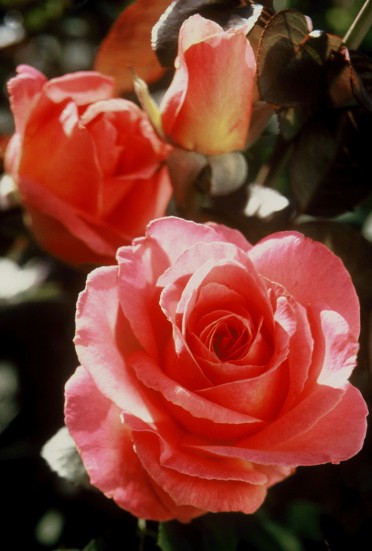


Gerbera Daisy Care in Southern California Containers
Watering Is Critical In warm, dry coastal Southern California, container gerberas dry out fast. Water whenever the top inch of soil feels dry. Ensure the pot has drainage holes; never let sit in standing water. Feeding

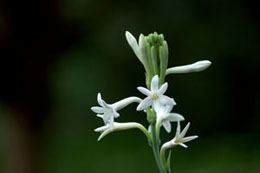
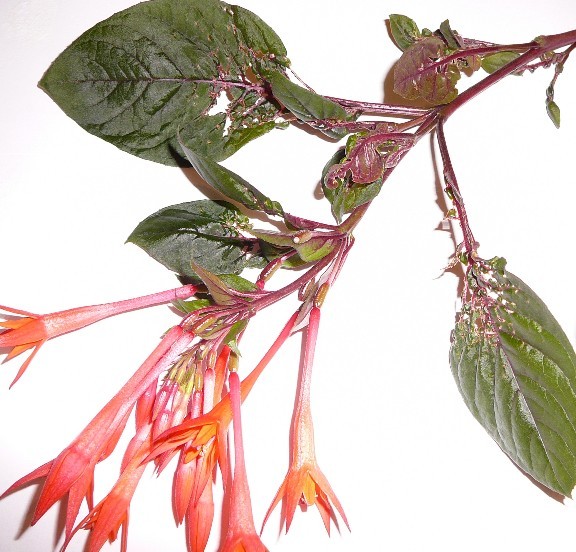
Will White Turk’s Cap Attract Hummingbirds?
Hummingbird Color Preference Hummingbirds are strongly attracted to red, orange, and bright pink flowers. White flowers are less visible from a distance, but once birds are nearby, they’ll feed if nectar is abundant. St
Reviving Droopy Gerbera Daisies in Containers
Common Causes Transplant shock if recently repotted. Overwatering or poor drainage—roots rot. Underwatering—top soil dry, roots parched. Temperature stress—below 40°F damages blooms. Immediate Steps Remove oldest, dr
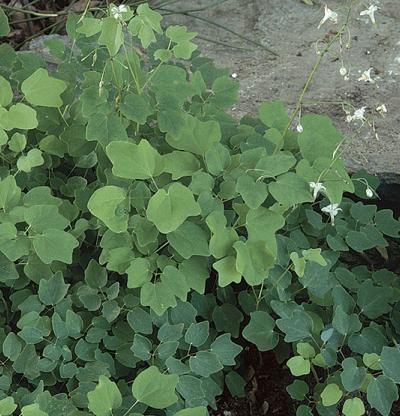
Selective Weed Control in Periwinkle Groundcover
The Problem Periwinkle (Vinca minor) is a popular evergreen groundcover, but weeds—especially grasses—invade it. Hand-pulling damages the periwinkle mat. Solution: Grass-Selective Herbicide Ortho Grass-B-Gon (Fluazifop-
Caring for Autumn Joy Sedum: Divide or Cut Back?
When to Divide Divide Sedum ‘Autumn Joy’ only when clumps become overcrowded or messy—typically every 3–4 years. Spring is the best time; dig the clump, split into sections with roots, and replant. Extras can be composte
Evergreen Vines for Trellis in Zone 8 (Austin, Texas)
Local Expertise Is Key For a fast-growing, thick evergreen vine on a trellis—one in-ground near the house, one in a large pot on a second-story deck—in Austin’s zone 8 climate, consult the Travis County Extension Office.
Pruning Overgrown Arborvitae in Minneapolis
When to Trim Arborvitae can be pruned almost any time except during extreme heat (above 90°F), when cut tips may brown. Early spring before new growth or late winter is ideal. In Minneapolis (zone 4), late March to early
Perennial Plants for Pond Banks in Minnesota
The original answer referred the user to external websites for pond-bank planting suggestions. Here’s a curated list of perennials that thrive in moist, sunny to partially shaded pond edges in Minnesota (zone 3–4): Mois
Why Didn’t My Daisies Return? Troubleshooting Perennial vs. Annual Types
The Daisy Family Is Huge “Daisy” covers hundreds of species—perennials like Shasta daisy, black-eyed Susan, coneflower, and asters, plus annuals like zinnias. Without a botanical name or detailed description (height, fol
Cold-Hardy Evergreen Hedges for Privacy in Zone 3–4
Challenges of Northern New York Winters In far northern New York (zone 3–4), winter lows of –30°F to –35°F rule out common privacy screens like Leyland cypress. Arborvitae is an option, but many gardeners dislike its app
Planting and Caring for Tulips and Spring-Blooming Perennials
When to Plant Tulip Bulbs in Fall Timing depends on your USDA hardiness zone. In colder zones (3–5), plant in November or December before the ground freezes. In milder zones (6 and above), wait until late December or ear
Perennials for Sun vs. Shade Near House
Huge topic. Refer to shade perennial sites (tmac.clara.co.uk, earlmay.com) and sun perennial sites (dutchbulbs.com, nhg.com, geocities.com/mastergardener2k).
Shade Plants for Maine Raised Bed
Rhododendrons with rusty leaves may have winter burn. Mulch helps. For shade plants beyond hostas, consult: tmac.clara.co.uk, growinglifestyle.com, nativesoftexas.com, earlmay.com.
Hypericum vs. Liriope for Groundcover
Compare St. Johns Wort (Hypericum moserianum Tricolor) and Lilyturf (Liriope) at crescentbloom.com for maintenance needs. Both are low-care groundcovers.
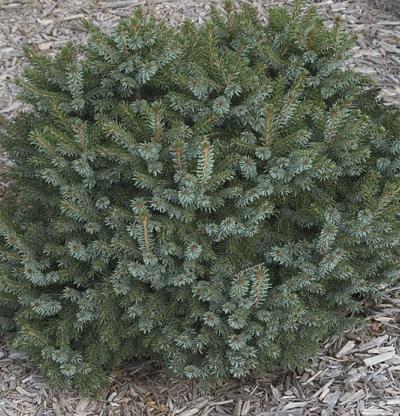
Dwarf Holly and Alberta Spruce Pairing
Use dwarf holly varieties (e.g., from Musser Forest Nursery) to avoid constant pruning. Alberta spruce has 50% survival in Zone 6—consider alternatives. Formal pairings work but choose reliable species.
Daylilies are nearly indestructible. Drive a straight spade through the clump center, lift halves, replant. Any piece with roots and crown will grow.
Planning a Perennial Garden on Paper
Measure beds, draw to scale (1 ft = 1 in). Research plant sizes online (Bluestone, White Flower Farm, etc.). Note heights for back-to-front placement. Buy from local nurseries for climate suitability.
Pruning Perennials in New Zealand Autumn
Cut perennials back to a few inches (small) or 6 inches (large) in late autumn. Mulch with leaf mold. Use prunings for cuttings—consult propagation books or Google for species-specific methods.
Shade Perennials for Clay Soil in Wisconsin
Amend clay with sand, gypsum, topsoil, Milorganite (1 bag per 4x4 ft). Rototill. Shade perennials for Zone 4: Hostas, Lily of the valley, Coral bells, Mint, Spiderwort. Mulch with cypress/cedar.
Identifying Giant American Buttercup Seedlings
No book shows seedling images for all plants. Let seedlings grow; weed out obvious non-targets. Experience teaches recognition.
Copyright © www.100flowers.win Botanic Garden All Rights Reserved