

White Cottony Masses on Yew: Probably Scale Insects
Identifying White Clumps on Yew Foliage Cottony clusters on inner branches are typically scale insects (e.g., cottony taxus scale). Confirm ID at a nursery or extension office before treating. Systemic imidacloprid is ef

Black Knot on Plum: A Serious Fungal Disease
Hard Black Swellings on Plum Branches? Its Black Knot Black knot forms rough, black galls that can girdle and kill branches. Prune 2–3 inches below galls during dormancy. Destroy prunings. Fungicides (lime sulfur, copper
Clematis Flowers Falling Prematurely: Check for Herbicide Drift
Why Do Clematis Blooms Drop Immediately? If leaves are healthy but flowers fall, suspect herbicide drift (growth regulator types) or nutrient imbalance. Review any weed killer use nearby. Contact clematis specialists lik
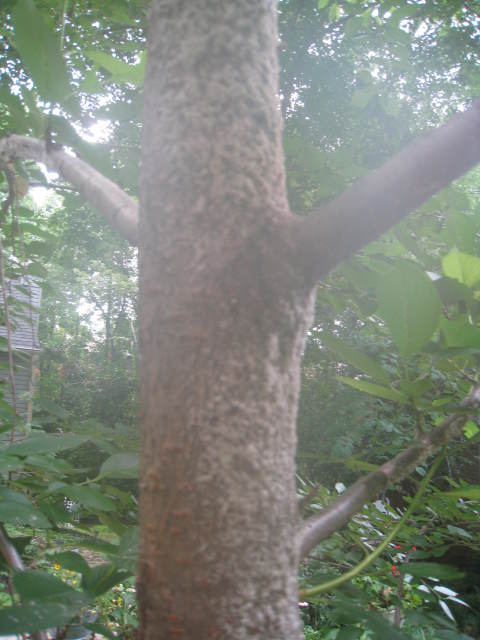
White Growth on Yoshino Cherry: Powdery Mildew or Scale?
Diagnosing White Dust on Cherry Trunk and Branches A white, dusty coating could be powdery mildew (fungal) or scale insects. Ants may be tending scale for honeydew. Prune affected branches, improve drainage, and consider
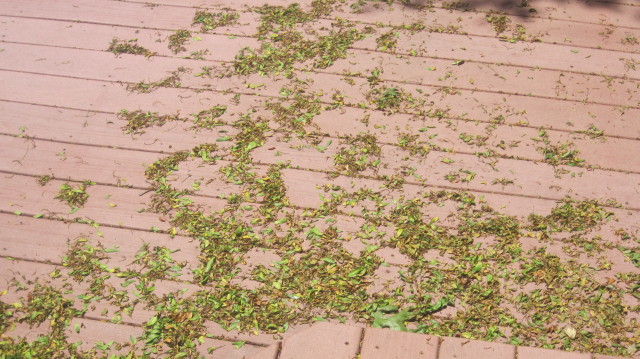
Locust Tree Leaf Drop: Insects or Drought?
Constant Leaf Litter Under Locust? Investigate Water and Insects Diffuse yellowing and drop suggest the tree is shedding leaves to conserve water. Tiny green bugs may be secondary. Photograph insects for ID; provide supp
Southern Magnolia Excessive Leaf Drop: Check for Root Stress
When Southern Magnolia Loses Too Many Leaves Excessive leaf drop (beyond normal inner shedding) often follows root stress from waterlogging in clay soils or trunk injury. Apply a balanced tree fertilizer and consult your
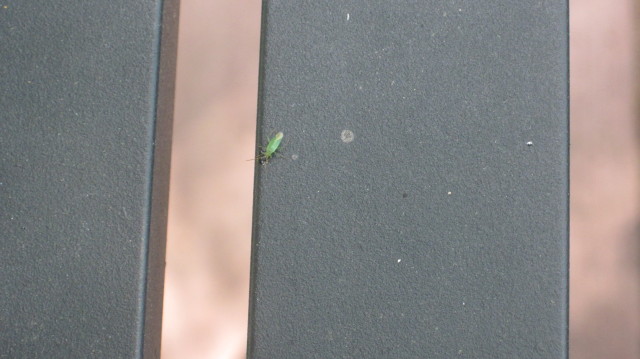
Honey Locust Plant Bug: Cause of Season-Long Leaf Drop
Tiny Green Bugs and Constant Leaf Drop on Locust The honey locust plant bug feeds on new leaves, causing distortion, chlorosis, and premature drop. Populations fluctuate yearly. Manage with weekly Atomic Grow root drench
Webworms on Ash: Biostimulants and Neem as Alternatives
Managing Webworms Without Harsh Chemicals Webworms can be suppressed with neem oil (bitter deterrent) combined with Atomic Grow (raises plant brix, making foliage less attractive). Contact county extension for convention
Freeze-Damaged Foxtail Palms: Can They Recover?
Assessing Foxtail Palm Survival After Hard Freeze If the growing point (heart) shows any green, remove dead fronds and apply hydrogen peroxide or Atomic Grow weekly to combat fungal rot. If the crown is brown and shredde
Vinca Dying After Planting: Drainage and Disease
Establishing Vinca: Dont Overwater Vinca needs well-drained soil and only moist—not wet—conditions. If plants initially perked up then declined, a root rot pathogen may be present. Try replanting in better-drained soil o
Mock Orange Aphids: Location Matters More Than Soil
Aphids on Mock Orange: Its the Site, Not the Soil When a moved plant thrives and a new one gets infested, the problem is site-specific (e.g., aphid-attracting conditions). Boost plant health with organic biostimulants (A
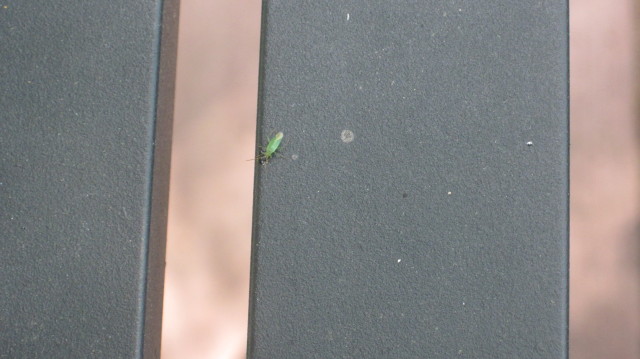
Locust Leaf Drop and Tiny Green Bugs: Need Clearer ID
Season-Long Leaf Drop on Locust: Bugs or Water Stress? Diffuse leaf yellowing and drop can indicate drought stress. Tiny green bugs may be incidental. Get a sharp close-up photo or bring specimens to a nursery for ID bef
Rose of Sharon Repeatedly Failing? Check Watering and Soil Prep
Why Rose of Sharon Dies After Blooming Recurrent collapse after flowering points to water stress. Water deeply (3.5 inches/week) around the root zone, not on foliage. When replanting, mix no more than 50% new soil with n
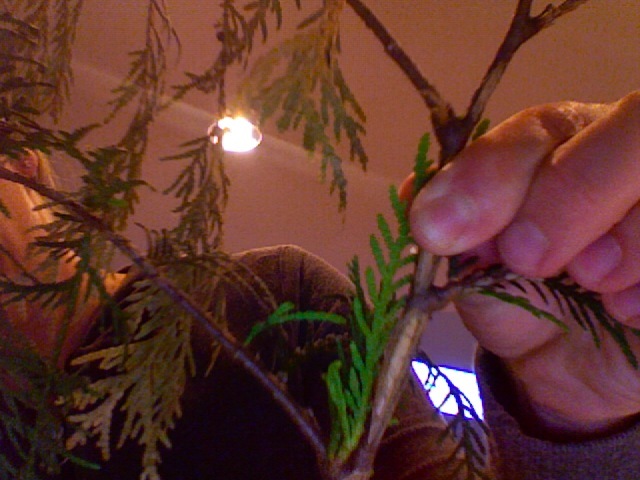
Arborvitae Browning and Stem Splitting: Likely Insect Damage
Old Arborvitae with Brown Foliage and Splitting Stems Splitting stems on mature arborvitae often result from insect boring or cycling pest populations, not disease. Prune affected areas if practical. Maintain adequate wa
New Magnolia Declining from Top Down: Check for Trunk Injury
Top-Down Dieback in Young Magnolia Sudden decline from the top suggests physical trunk damage, root disturbance, or chemical injury. Scratch bark on twigs: green underneath means life. Check base for mower/string trimmer
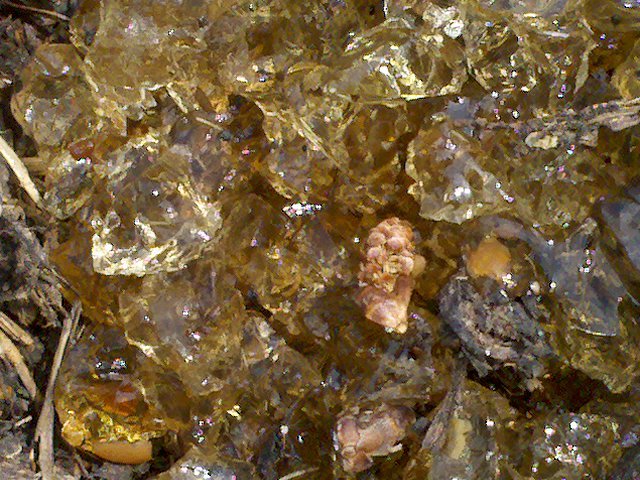
Jelly-Like Crystals in Garden Beds: Likely Soil Polymer Granules
Mysterious Jelly Crystals? Check for Water-Holding Polymers Clear, jelly-like crystals that swell when wet are often superabsorbent polymer granules added to soil to retain moisture. Theyre harmless but indicate a soil a
Newspaper Mulch Blocking Water to Peach Tree
Why Newspaper Mulch Can Harm Trees Layers of newspaper can become water-repellent when dry, shedding irrigation and causing drought stress. Yellow leaves and leaf drop resulted. Remove paper, loosen compost, and water de
Sticky Drips on Juniper: Honeydew or Resin?
Clear Sticky Substance on Juniper Tips If shiny and sticky, its honeydew from sap-feeding insects (aphids, scale). Control insects to stop honeydew and sooty mold. If thick and resinous, its a wound response—inspect for
Apple Tree Yellowing and Fruit Drop: Multiple Possible Causes
Diagnosing Yellow Leaves and Fruit Drop on Apple Causes range from water stress (too much or too little) to root damage, trunk injury, or disease. Check soil moisture and bark condition. A site visit by an arborist or ex
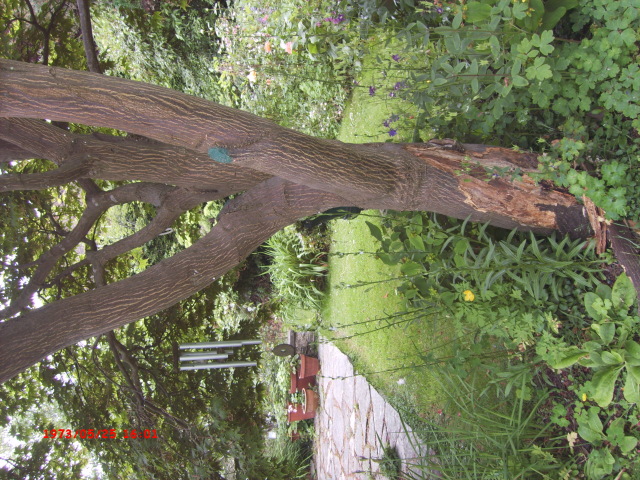
Mature Maple Dieback with Bark Peeling: Internal Decay
When a Maple Shows Progressive Dieback and Loose Bark These symptoms indicate advanced internal decay. No cure exists. Maintain vigor with water and fertilizer to prolong life, but plan for eventual removal due to struct
Copyright © www.100flowers.win Botanic Garden All Rights Reserved