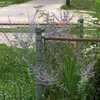
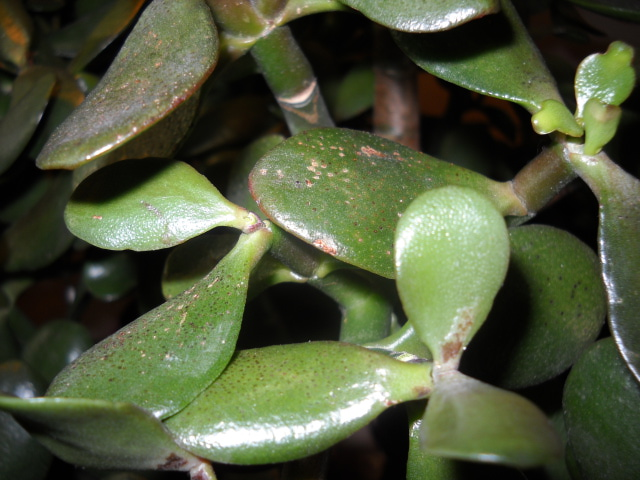


Whiteflies Killing Potted Annuals on Screened Porch
Tiny Flying Bugs from Potted Plants? Whiteflies Whiteflies suck sap, causing rapid decline. They thrive in enclosed porches. Use yellow sticky traps, insecticidal soap, or systemic imidacloprid. Improve plant vigor with

Plum Tree Sap Flow and Dieback: Signs of Borers
Sap-Dripping Dead Branches on Plum? Its Borers Random branch death with sap flow indicates wood-boring insects. Probe sap holes with a stiff wire to kill larvae. Boost tree health with organic biostimulants (e.g., Atomic
Squash Vine Death at Base: Stem Rot or Vine Borer?
Diagnosing Sudden Squash Vine Collapse Rotting at the soil line suggests either stem rot (fungal, dark mushy bark, bad smell) or squash vine borer (larva tunneling inside stem). Management Stem rot: improve drainage, ro
Cottony Spots on Magnolia: Not Chinch Bugs, Likely Scale
White Cottony Masses on Magnolia Branches Chinch bugs are turf pests, not tree pests. Cottony spots on magnolia are usually scale insects (e.g., magnolia scale). Treat with imidacloprid soil drench after confirming ID.
Cleveland Pear Stunted After Planting: Seek Professional Diagnosis
Why Is My Cleveland Pear Not Growing? A tree that remains sparse with miniature leaves a year after planting may have root issues, planting depth problems, or a genetic defect. Nursery advice (water/fertilize) hasnt help
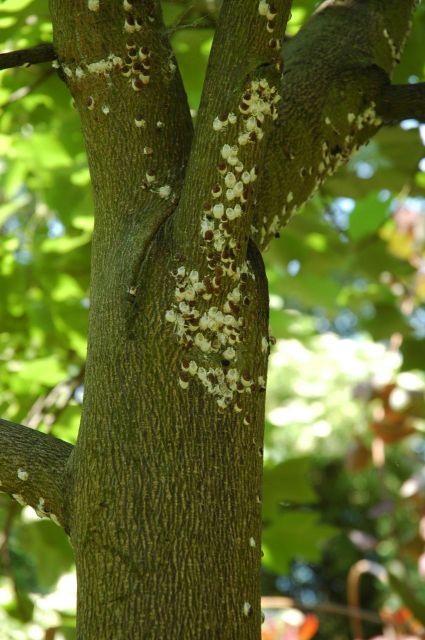
Scale Insects on Tulip Tree Trunk: Identification and Control
White and Brown Lumps on Tree Trunk? Likely Scale Insects Immobile, waxy bumps on bark are typically scale insects. They suck sap and weaken the tree over time. Control Options Small infestations: brush off manually. La
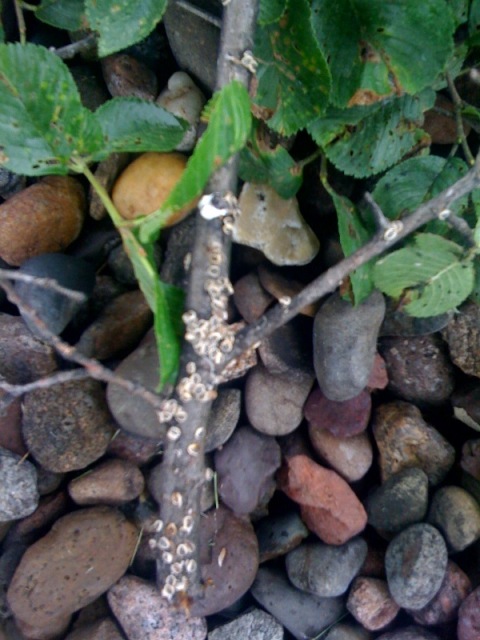
Clustering Insects on Tree Branches: Scale or Beetles?
Identifying Clumping Insects on Trees Groups of insects on branches with associated leaf damage could be scale insects, beetles, or egg masses. A blurry photo prevents precise ID. Next Steps Collect specimens and visit a
Replacing Willows with Crepe Myrtles: Choose Aphid-Resistant Varieties
Crepe Myrtles and Disease Concerns Crepe myrtles are not susceptible to willow diseases (like Amarillo, likely a misheard name). Their main pest is aphids. Select cultivars with Native American names (e.g., Natchez, Musk
New Butterfly Bush Devoured? Check for Pests and Fertilizer Timing
Why Your New Butterfly Bush Has Holey Leaves Fertilizer (Osmocote) in the planting hole can burn roots and stress the plant, making it susceptible to pests like slugs, snails, or grasshoppers. Apply fertilizer only after
White Powder on Carrotwood: Powdery Mildew or Insects?
Diagnosing White Powder on Carrotwood Leaves A uniform white coating suggests powdery mildew (fungal); clumpy deposits may indicate insects like scale or mealybugs. Both are usually cosmetic on established trees. Managem
Mystery White Balls on Pepper Plants: Get an Identification First
White, Cottony Structures on Pepper Leaves? Could be insect eggs, scale, or a benign growth. Before treating, get a positive ID: take a close-up photo or bring samples to your local nursery or extension office. Why ID Ma
Moss-Like Growth on Trees: Epiphyte, Not Parasite
Is That Moss Killing Your Trees? What looks like a parasitic moss is often an epiphytic lichen or bryophyte that grows on bark without harming the tree. Tree decline is usually due to other factors (drought, disease, ins
Split Peach Pits: A Physiological Disorder, Not a Health Risk
Why Do Peach Pits Split Open? Split or shattered pits (with a web-like interior) are a physiological disorder linked to rapid fruit growth, temperature fluctuations, or variety susceptibility. The fruit is safe to eat—ju
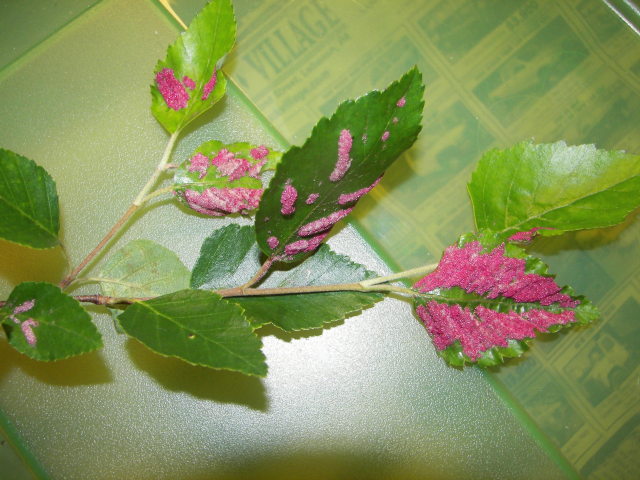
Velvet Galls on River Birch: Mite Damage, No Treatment Needed
Pink-Red Velvet Patches on River Birch Leaves These colorful, velvety patches are galls caused by eriophyid mites. Theyre unsightly but dont harm established trees. Natural predators keep mites in check. Simple Cleanup R
Lichens on Trees: Harmless Indicators of Stress, Not Disease
Gray Patches and White Spots on Tree Bark? Theyre Likely Lichens Lichens are symbiotic organisms (fungus + algae) that grow on bark of stressed or slow-growing trees. They dont cause decline—theyre a symptom of it. What
Controlling Thrips in Large Rose Gardens: Rotation and Plant Health
Managing a Thrips Outbreak in Roses When thrips overwhelm a large rose planting, rotate insecticides with different modes of action (e.g., spinosad/Conserve and imidacloprid/Merit) to prevent resistance. Improve plant vi
Bark Splitting on Burning Bush: Winter Sun Scald, Not Disease
Why Are Your Burning Bush Branches Splitting? Lengthwise bark splits on burning bush are typically caused by winter sun scald—rapid temperature fluctuations on cold, sunny days—not by pathogens. What to Do Prune out spli
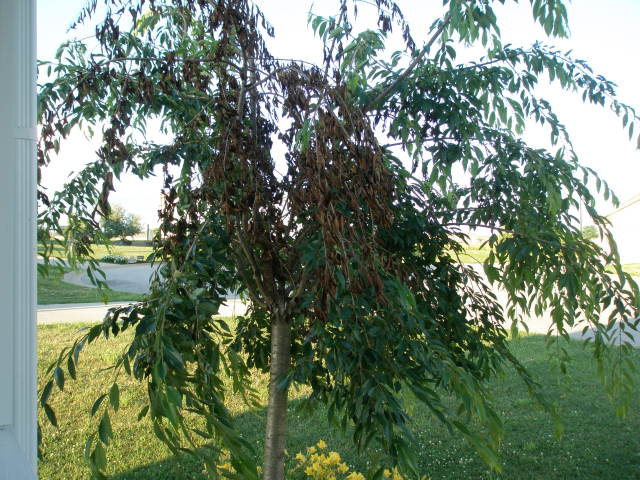
Branch Dieback in Weeping Cherry: Prune and Monitor
Localized Browning on Weeping Cherry? Prune the Affected Branch If only one section of your weeping cherry is turning brown, the problem may be confined to a single branch. Prune out the dead portion, cutting back to hea
Spindle Galls on Plum Leaves: A Cosmetic Issue
Green Spikes on Plum Leaves? Its Likely Spindle Galls Small, green, spike-like growths on plum leaves are spindle galls caused by microscopic eriophyid mites. They distort leaf tissue but rarely affect tree health or fru
Honey Ash Tree Top Dieback: Signs of Internal Decay
Recurring Top Dieback in Honey Ash Indicates Internal Decay When the same upper branches die back year after year, especially with webbing and bird activity, the cause is often internal wood decay rather than a foliar pe
Copyright © www.100flowers.win Botanic Garden All Rights Reserved