


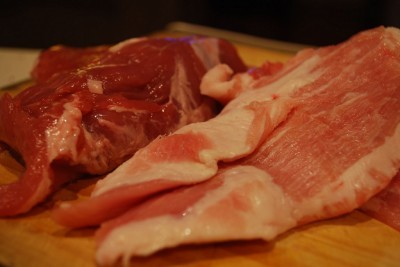
Composting is a win-win for gardeners: it transforms kitchen and yard waste into nutrient-rich soil while significantly reducing household garbage. But when it comes to meat scraps, confusion often arises. Since meat is organic matter, many assume it belongs in the compost pile. The reality is more nuanced.
Technically, yes—meat is organic and will decompose. However, most home composting guides advise against adding meat, bones, and dairy. The reasons are practical: these materials attract pests (rats, raccoons, neighborhood dogs), create persistent foul odors, and can harbor dangerous pathogens like E. coli and Salmonella if the pile doesn't reach and sustain high enough temperatures (130–150°F) long enough to kill them.
Some experienced composters do include small amounts of cooked meat (which breaks down faster and smells less) with strict protocols:
Municipal and industrial composting facilities are engineered to handle meat, bones, and even animal carcasses safely. They maintain sustained high temperatures, controlled aeration, and pathogen testing. The resulting compost is used on commercial crops (hay, corn, tree farms) but is generally not available to home gardeners.
Instead of risking your home pile, consider:
For most home gardeners, keeping meat out of the compost pile is the safest, simplest choice. Stick to fruit and vegetable trimmings, coffee grounds, eggshells, and yard waste for a trouble-free, productive compost system.
Can You Compost Sweetgum Balls? Only in a Hot, Patient Pile
Composting Onions: Yes, But Chop Them and Bury Deep
Composting Fish Waste: Turn Scraps into Nutrient-Rich Garden Gold
Composting Bird Feathers: A Nitrogen-Rich Amendment for Your Pile
Composting Sweetgum Balls: Challenges and Creative Uses
Composting Onions: Managing Odor and Sprouting in Your Pile
Composting Fish Waste: How to Turn Fish Scraps into Garden Gold
Make a Compost Bin from a Trash Can: Cheap, Fast, Effective
Kitchen Composting 101: Turn Food Scraps into Garden Gold
Composting Nut Shells: A Slow but Valuable Carbon Source
Composting Dryer Lint: A Simple Carbon Boost for Your Pile
Kitchen Composting: Simple Methods for Recycling Food Scraps
Composting Nut Shells: Carbon-Rich Amendment from Kitchen Waste
Copyright © www.100flowers.win Botanic Garden All Rights Reserved