

Whitefly Infestation on Shrubs and Plants
The tiny white flying insects that cloud when disturbed, causing leaf yellowing/browning and limb dieback, are whiteflies. Theyre not true flies but related to aphids and scales (order Hemiptera). Damage Suck sap → wil

Dwarf Conifer Decline in Memphis: Need Professional Diagnosis
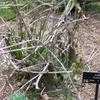
Your dwarf conifer (likely a dwarf Leyland cypress or similar) showing one-sided browning, wilting into cocoon-like globs, and progressive decline needs an on-site diagnosis. The symptoms dont match a single common disea
Sunset Maple Bark Splitting: Normal or Problem?
Bark splitting on your 3-year-old Sunset maple is likely growth-related cracking, not a disease or insect problem. Sunset maple has thin bark and fast growth, making it prone to vertical fissures, especially on the south
Oak Branch Galls and Insects in Houston
The knots on your 5-year-old oak branches with white webbing and holes inside are likely gall wasps (cynipids) or gall midges. The white webbing may be from secondary spider occupants or fungal growth. Gall Insects on O
Sticky Leaves on Roses and Blackberries: Aphid Honeydew
The clear, sticky substance on your rose and blackberry leaves is honeydew—excrement from aphids feeding on plant sap. Hot weather accelerates aphid reproduction. Identification Look on leaf undersides and new shoots f
Loose Smut of Wheat: Cause and Management
Loose smut of wheat is caused by the fungus Ustilago tritici. Unlike common bunt, the fungus grows inside the developing seed embryo, replacing it with a mass of black spores. Infected seeds look normal externally. Key
Redbud Leaf Yellowing: Powdery Mildew, Not "Leaf Mold"
Leaf mold isnt a standard diagnosis for redbud. The yellowing and heavy leaf drop you describe, especially after a wet season, points to powdery mildew (Microsphaera or Phyllactinia species) or possibly anthracnose. Pow
Lichens on Trees: Not the Killer You Fear
The spidery light green fungus and flat growths on your pine, fir, apple, and birch are almost certainly lichens—a symbiotic partnership of fungus + alga. Lichens do not kill trees. Why Theyre There Lichens colonize sl
Dutch Elm Disease: Stump Removal and Root Graft Prevention
If your elm was diagnosed with Dutch elm disease (DED) and removed, stump removal alone does not prevent spread. The fungus (Ophiostoma novo-ulmi) spreads via root grafts between adjacent elms. Root Graft Transmission
Caring for Newly Planted October Glory Maple
Your newly planted October Glory maple (Acer rubrum October Glory) needs consistent establishment care, and the brown spots suggest a leaf spot fungus. Watering (Critical First 2 Years) 1 inch per week (rain + irrigati
Maple Leaf Spots: Phyllosticta and Tar Spot
Your golden maples spreading brown spots with premature leaf drop suggest one of two common fungal leaf spots: 1. Phyllosticta Leaf Spot (Purple Eye) Caused by Phyllosticta minima. Spots: pale yellow centers with purpl
Weeping Willow Decline: Roundup Drift vs. Borer Damage
Two distinct issues may be affecting your 2-year-old weeping willow: 1. Roundup (Glyphosate) Drift Symptoms: Leaf yellowing, curling, browning, drop within days of application. Drift from 6 feet away is plausible—willo
Aphid Honeydew on Crepe Myrtles: The "Raining" Effect
The raining from your crepe myrtles is honeydew—a sugary liquid excreted by aphids feeding on leaf undersides. Aphids are soft-bodied, pear-shaped insects (green, yellow, black) that cluster on new growth. Quick Control
Barklice on Oak: Harmless Web-Makers
The fine, silken webbing encasing your oaks trunk and limbs is produced by barklice (Archipsocus nomas), also called tree cattle. They are not spiders, not pests, and not harmful. What They Do Feed on lichens, algae, f
Cercospora Leaf Spot on Crepe Myrtle
The yellow and brown spots on your 3-year-old crepe myrtle, without powdery residue or visible pests, match Cercospora leaf spot (Cercospora lythracearum), a fungal disease favored by warm, humid weather. Symptoms Yell
Brush Killer Products and Aphid Honeydew on Crepe Myrtles
Two separate issues here: 1. Brush Killer Herbicides Products labeled Brush Killer (e.g., Ortho GroundClear, BioAdvanced Brush Killer) contain triclopyr or triclopyr + 2,4-D. They kill woody plants (brush, vines, saplin
Powdery Mildew on Lilac: Identification and Treatment
The white, ash-like coating on your new lilac leaves is classic powdery mildew (Microsphaera syringae), a common fungal disease on lilacs, especially in humid, shady, or crowded conditions. Symptoms White to gray powde
Why Pecans Drop Green Nuts Prematurely
Premature nut drop in your 9-year-old Choctaw pecan has several possible causes. Since you see no holes, pecan nut casebearer (which leaves a telltale hole) is unlikely. Common Causes Water stress (most likely): Pecans
Lawn Mower Damage to Red Maples: Assessment and Care
Circumferential bark damage from lawn equipment is a leading cause of young tree decline. The bark at ground level on your 9–11-year-old red maples has split and sloughed off—this is mechanical girdling. Assessing Survi
Stopping Tree Sprouts After Cutting Down Crabapples
To prevent root suckers (sprouts) after cutting down a tree, you must kill the root system immediately after felling. The Roundup Stump Treatment Cut the tree as close to ground as possible. Within minutes, paint the f
Copyright © www.100flowers.win Botanic Garden All Rights Reserved