
Yard-Wide Powdery Mildew: Cultural Fixes and Neem Treatment
Managing Epidemic Powdery Mildew Powdery white mildew on everything (lawn, roses, vegetables, trees, berries) after 3-year buildup indicates chronic favorable conditions: damp weather, overhead watering, poor airflow, su

Azalea Mealybugs: White Sacs and Crawling Bugs
Identifying the Infestation Central NJ azaleas with white sacs on nearly every leaf underside, bugs on branches, leaf drop/browning/spotting—classic mealybugs. The sacs are egg masses; crawlers spread to new growth. Org
Avocado Tree Rusty Leaves: Spider Mite Infestation
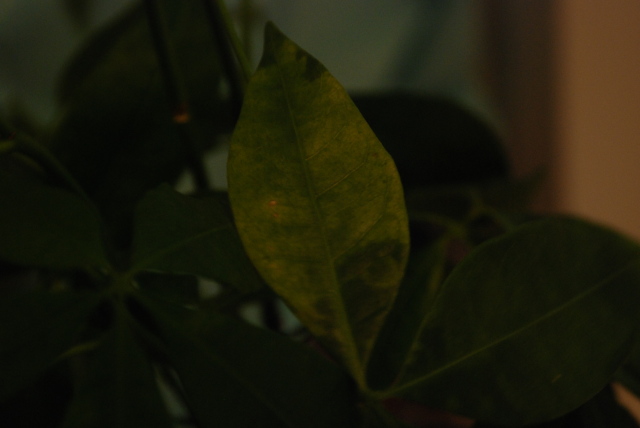
Diagnosing the Discoloration 3-ft avocado in Texas with brown rust-like curling leaves after good growth has spider mites—two-spotted or red. They suck chlorophyll, causing bronzing/rusting. Tiny; need magnifier on leaf
Grapevine Caterpillars in Ontario: Sevin Control
Managing Leaf-Feeding Larvae Ontario grapevine eaten by tiny black/brown caterpillars/grubs with holey, brown-spotted, curling leaves—likely grape berry moth larvae or similar. Sevin (carbaryl) is labeled for grapes and
Young Tree Green Moss-Like Growth: Lichens Indicate Stress
Identifying the Green Coating Two young trees with green moss-like substance on trunks, one yellowing/defoliating—this is lichens (fungus + alga symbiosis). Not a disease, but a bioindicator of stress (slow growth, poor
Old Apricot Tree Sap Oozing: Bacterial Canker vs. Borer
Diagnosing the Sap Flow 30+ year old apricot with chunky sap/resin on branches, killed flowers, few fruits—two main causes: Bacterial canker (Pseudomonas syringae): Sap oozes from branches; copper hydroxide (Hi-Yield
Potted Plant "Pods": Bird's Nest Fungus Identification
Identifying the Strange Growths Brownish, fuzzy, Q-tip-sized pods in clusters on potting soil with small roots, white gel, and black seeds when squeezed—classic birds nest fungus (Nidulariaceae). The seeds are peridioles
Sago Palm Frond Browning: Cold Injury or Overwatering
Two Scenarios for Whole-Frond Browning Small sago palm with entire fronds turning brown from center outward—center healthy, new growth green: If outdoors over winter: Cold injury—fronds die completely. Annual in margi
New Flowering Dogwood Wilting: Transplant Shock Recovery
Diagnosing Sudden Wilt Two spring-planted flowering dogwoods suddenly wilting—classic transplant shock. Dogwoods prefer semi-shade; full sun causes stress. Root systems cant yet support canopy. Establishment Watering Pr
Variegated Dogwood White Sticky Sacks: Spittlebug, Mealybug, or Scale
Identifying the White Masses Wisconsin variegated dogwoods with wet, sticky white sacks (3–4 per branch, hundreds total) after wet spring → warm summer—three possibilities: Spittlebugs (frothy, nymphs inside) Mealyb
White Oak Slime Flux Removal: Stump Grinding and Replanting Safety
Slime Flux Transmission Facts Condemned 75–100 yr white oak with slime flux—city requires removal. Key answers: Slime flux doesnt spread species-to-species. Its internal bacterial pressure release. Stump grinding =
Honeydew Melon Bumpy Curled Leaves: Virus from Insect Vectors
Viral Disease Diagnosis Honeydew melon with extremely bumpy, curled leaves and gray/black discoloration (not sooty mold) indicates viral infection—likely transmitted by aphids or whiteflies. Viruses cause systemic distor
Oak Wilt in Northern Illinois: Supportive Care Only
Managing an Incurable Disease Oak wilt killing trees in Northern Illinois—one isolated oak showing improvement but with dead limbs—has no cure. The fungus (Bretziella fagacearum) blocks vascular tissue systemically. Pal
Jasmine and Strawberry Problems in France: Watering, Mites, and Fruit Deformity
Jasmine nudiflorum Leaf Curl Two jasmines on NW wall in France with curling/browning leaves after wet spring → hot dry spell, watered daily in clay soil with limestone gravel: Daily watering = wrong. Causes shallow ro
Rose Fire Blight Replant: Soil Treatment Myth and Copper Spray
Clarifying Fire Blight Biology Fire blight (Erwinia amylovora) on roses—replanted in same spot, now showing symptoms again—does not live in soil. It overwinters on infected plant debris and spreads via wind/rain. Soil tr
Mature White Oak Hypoxylon Canker: Stress Management
Diagnosing Black Streaking Mature white oak with dead limbs, black streaking (missing bark to black cambium) 2–3 wide from base to top—resembling lightning strike but without lightning—has Hypoxylon canker. This fungus a
Organic Aloe Vera Black Spots and Weed Control
Diagnosing Aloe Issues Black spots on organic aloe vera indicate overwatering—aloes need dry-down between waterings. Let top soil dry completely before rewatering. Organic Weed Management (No Herbicides) Since manual la
Tomato and Zucchini Problems: Bacterial Spot, Aphids, and Blossom End Rot
Three Separate Issues Tomatoes with yellow curling leaves, black spots, tiny red bugs, and zucchini with yellow leaves and blossom-end rot represent distinct problems: 1. Tomato Bacterial Spot Black spots + curling = ba
Lemon Tree Mealybugs and Ants: Organic Neem Oil Solution
Identifying the Infestation Lemon tree with fuzzy white undersides on leaves and trailing ants has mealybugs—ants farm their honeydew. The fuzzy white is waxy secretions covering feeding females. Safe, Multi-Benefit Tre
Dwarf McIntosh Apple Pollination: Companion Tree Required
Pollination Reality A single dwarf McIntosh apple tree cannot self-pollinate (unless labeled self-fertile). Apples require cross-pollination from a different variety blooming simultaneously. Asparagus and Rose of Sharon
Copyright © www.100flowers.win Botanic Garden All Rights Reserved