


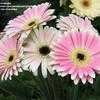
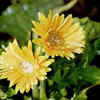
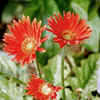
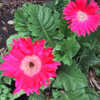
Gerbera daisy (Gerbera jamesonii), also known as Transvaal daisy or African daisy, is celebrated for its large, daisy-like flowers in a dazzling array of colors—red, orange, yellow, pink, white, and bicolors. The blooms sit atop leafless stems above a basal rosette of lobed, slightly hairy leaves.
Gerberas thrive in full sun (with afternoon shade in hot climates) and rich, well-drained, slightly acidic soil. They require consistent moisture but are prone to crown rot if overwatered or planted too deeply. Deadhead spent flowers to promote continuous bloom. In zones 8–11, they are perennial; elsewhere, grow as annuals or in containers.
Excellent for borders, containers, and cutting gardens. The long-lasting flowers are a staple in floral arrangements.
Bacopa (Sutera cordata): Trailing Cloud of Tiny Flowers
Papyrus (Cyperus papyrus): The Ancient Paper Plant for Water Gardens
Coffee Plant (Coffea arabica): Grow Your Own Coffee Beans at Home
Porterweed (Stachytarpheta jamaicensis): A Butterfly Favorite for Sunny Gardens
Osteospermum 'Orange Symphony' (African Daisy): Vibrant Bicolor Blooms
Cardamom (Elettaria cardamomum)
Bush Lily (Clivia caulescens): Orange Tubular Flowers on Stalk
Gerbera Daisies in Delaware: Treat as Tender Annuals
Green Euryops 'Viridis' (Euryops pectinatus 'Viridis'): Sunny Evergreen Shrub with Daisy Flowers
Arctotheca calendula: Cape Weed – Silvery Foliage and Yellow Daisies
Desert Rose (Adenium obesum): Sculptural Succulent with Showy Blooms
Persian Shield (Strobilanthes dyerianus): Iridescent Foliage for Shade
Dwarf African Mask 'Poly' (Alocasia 'Poly'): The Compact Elephant Ear
Copyright © www.100flowers.win Botanic Garden All Rights Reserved