
Why Synthetic Fertilizer (13-13-13) Isn't the Answer for Shade Fescue
Chemical fertilizers feed weeds too, then wear out. Organics constantly improve soil. Weeds love poor soil; rich soil grows grass, not weeds. Non-chemical lawns attract toads, snakes, lizards, beneficial insects that eat

Does Sugar Really Control Weeds? The Science Says No
No university or extension endorses sugar as herbicide. Sweeten the soil means raising pH, not adding sucrose. Sugar feeds microbes, which over time improve soil so weeds struggle—but it doesnt kill or prevent weeds dire
Identifying and Eliminating Stinging Nettle Weeds Organically
Stinging weeds (likely nettle) indicate poor soil. Switch to organics: sugar (4–5 lbs/1,000 sq ft) feeds microbes that build rich soil. Weeds weaken and die in fertile conditions—usually gone by early summer. No chemical
Urine Damage on Grass: Dogs vs. Humans
Concentrated acid in urine burns grass. Females deposit in one spot; males mark wider areas. Dilution is the cure: water immediately after. Rain and snowmelt flush urine through soil. Human urine likely similar if acidic
Grass for Pure Sand on a Minnesota Lake Lot
Pure sand (SiO₂) has zero cation exchange capacity—fertilizer leaches straight into the lake. Moral imperative: no chemicals. Build organic matter first: truckloads of compost, humus, topsoil, cottonseed meal, molasses,
Timing Sugar, Corn Meal & St. Augustine Plugs in North Texas
Apply sugar anytime—water in well (rain works). Put down St. Augustine plugs as soon as nurseries stock them (Calloways recommended for quality and degreed staff). Bermuda goes in later. For clay soil: organics loosen ov
Where to Buy Corn Gluten Meal in the Boston Area
Corn gluten meal (CGM) is a patented pre-emergent; only licensed sellers can market it as such. Iowa State maintains a licensee list (public.iastate.edu/~isurf/tech/cgmwebsite.html). In Boston: Carlsons Berkshire Nursery
Why Roundup Is Not the Answer for a Great Lawn
Roundup (glyphosate) is the worlds most used herbicide—and devastating. NY Attorney General forced Monsanto to drop biodegradable and environmentally friendly claims; $50K fine. Studies show glyphosate is lethal to amphi
Kentucky Bluegrass vs. Other Bluegrasses: What's in a Name?
Kentucky trademarked its name in 1990; many Kentucky bluegrass cultivars now sell under different names. True Kentucky bluegrass (Poa pratensis) originated from Lexington horse pastures on limestone soil. Shallow roots,
Starting an Organic Lawn Program in Northwest Pennsylvania
Congratulations on going chemical-free! First: identify your grass type, sun exposure, soil condition, and current care history. Pledge: no Monsanto, Scotts, Peters, warning labels, or skull-and-crossbones products. Noth
Using Aged Horse Manure Safely for a New Lawn
Fresh manure burns grass—high ammonia and salts. Your pile aged months but was dug in un-composted. Re-turn the area on a dry day, wait a month, then soil-test. Ensure pH is tolerable before seeding. Proper composting (1
Why Nitrogen Is Essential for Photosynthesis in Grass
Chlorophyll a (in ¾ of green plants) contains nitrogen at its core. Without nitrogen, no chlorophyll. Without chlorophyll, no photosynthesis: 6CO₂ + 6H₂O + light → C₆H₁₂O₆ + 6O₂. Nitrogen also builds amino acids, protein
Can You Grow a Backyard Putting Green? Bentgrass Basics
Yes—velvet bentgrass (e.g., Greenwich from Seedland.com) creates a superb putting surface with wear tolerance, dollar spot and brown patch resistance, and lower fertility/water needs than creeping bentgrass. Sow in sprin
The Carbon & Nitrogen Cycles: Why They Matter for Your Lawn
Carbon cycle: plants pull CO₂ from air, use sunlight to make carbohydrates (C, H, O). Carbon returns via decay and respiration. Nitrogen cycle: atmosphere is 78% N₂, but plants need fixed nitrogen (ammonium, nitrates). S
Organic Weed Control: Corn Gluten Meal vs. Chemicals
Corn gluten meal (CGM) is a proven, patented pre-emergent herbicide discovered at Iowa State University. It stops germinating seeds from forming roots via five specific dipeptides. Field tests show 60% crabgrass reductio
What Is Sweet Soil and Is It Good for Plants?
Sweet soil is an old term for alkaline (high pH) soil—settlers tasted soil to judge fertility. Sweet = good for crops; sour (acidic) = poor. Sugar on soil would taste sweet but wastes sugar—it doesnt change pH meaningful
Cheap, Natural Ant Control for Lawns & Gardens
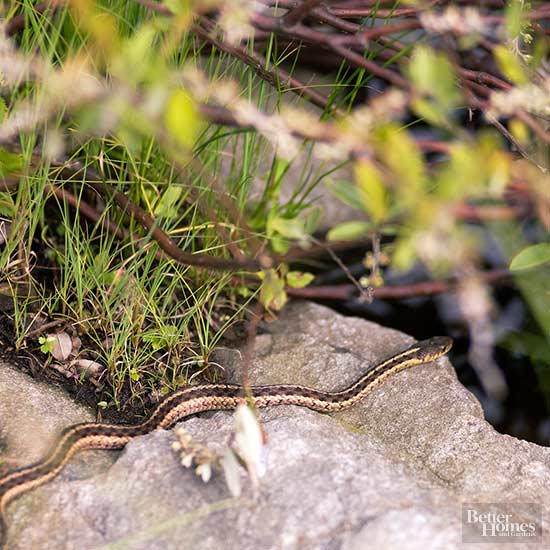
Chopped orange and lemon peels scattered on the lawn repel ants. Cinnamon works too. Better: build a lawn livestock herd—toads, lizards, grass snakes—that eat ants, grubs, slugs, and pests. Cedar bark mulch in spring (li
Fixing Bare Spots in a Stressed St. Augustine Lawn
Bare patches in St. Augustine (FL Panhandle) with dogs, kids, and traffic need traffic-tolerant grass—some Bermuda varieties handle wear better. Check local nurseries for adapted types. Block off repair areas until roots
Building a Backyard Golf Practice Area: Grass Choices & Prep
For fairway-style hitting areas, perennial ryegrass (aggressive, durable) or tall fescue (soft, catches balls) mowed at ¾ inch, fertilized at 3 lbs N/1,000 sq ft annually. For putting greens, bentgrass (velvet or creepin
Rescuing Bermuda Grass Overrun by Weeds
Bermuda grass loses ground in winter, letting weeds invade. At first forsythia bloom, apply corn gluten meal (CGM)—a natural pre-emergent that stops weed seeds from rooting. It wont kill established perennials like dande
Copyright © www.100flowers.win Botanic Garden All Rights Reserved