
Low-Water Ground Covers for Atlanta Shade and Sun
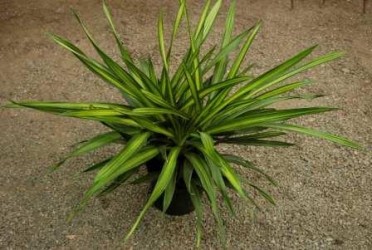
Replacing Grass with Drought-Tolerant Plants In Atlantas water-restricted climate, traditional turf requires 1–3 inches of water weekly. For a no-mow, low-water alternative, consider xeriscape plants. Soil Preparation F

Birds Pecking Your Lawn? It's Probably Earthworms
Why Birds Are Tearing Up the Turf Birds pecking small holes are likely feeding on earthworms, not grubs. Earthworms are beneficial—they aerate soil and improve organic matter. Assess Lawn Health First If the lawn is thi
Eliminating Clover from Your Lawn
Effective Clover Control in Ontario Lawns Clover spreads by seed and creeping stems. To stop its expansion, prevent flowering and seed drop. For active eradication, use selective herbicides. Herbicide Options Broadleaf
Managing Annual Bluegrass (Poa annua) in a Cool-Season Lawn
Why Poa annua Appears in a Thick Lawn Even dense Kentucky bluegrass/rye/fescue mixes can develop Poa annua (annual bluegrass) seed heads in spring. The light-green seed stalks create a temporary color mismatch but are a
Leaf Spot Fungus and Identifying a Grassy Weed
Managing Leaf Spot in Clay Soil Leaf spot—small moldy, rusty, or powdery lesions on blades—is a fungal disease encouraged by overwatering, especially on heavy clay soils that stay wet. Action Plan Reduce irrigation: Wa
Controlling Rust and Slime Mold on Bermuda Grass
Identifying the Brown Dust on Your Lawn A brown, dusty coating on hybrid Bermuda grass that rubs off on shoes and pets is likely a fungal rust or smut (genera Puccinia, Uromyces), not true slime mold. These fungi produce
Calculating the Area of an Irregular Four-Sided Lot
Estimating Square Footage and Acres for a Non-Rectangular Parcel Your lot has four unequal sides (92.94 ft front, 167.40 ft rear, 187.58 ft and 148.40 ft sides) with no parallel sides—this is an irregular quadrilateral,
Over-Fertilization: The Hidden Cause of Yellow Patches
When Too Much Fertilizer Burns Your Lawn Applying a second round of fertilizer two weeks after the first—especially if both are high-nitrogen green-up products—can overload the soil with salts, burning roots and causing
Organic Rescue for Crabgrass and Chinch Bug Infested Lawn
Restoring a Kentucky Bluegrass Lawn Without Chemicals After drought, crabgrass and chinch bugs can overwhelm a lawn. Repeated herbicide and insecticide applications often worsen the problem by killing beneficial organism
Preventing Dog Urine Spots on New Sod
Managing Pet Damage on a Fresh Lawn Dog urine contains high salts that burn grass, leaving yellow dead patches. Once the spot appears, the grass is already dead. Immediate Actions Flush immediately: When you see the do
Deterring Skunks from Digging in Your Lawn
Simple, Non-Lethal Skunk Control Skunks dig for grubs and earthworms. While they can be a nuisance, they also consume turf pests. Effective Deterrents Cayenne pepper: Sprinkle around the perimeter or in active digging
Repairing Lawn After Accidental Herbicide Application
Recovering from Weed-and-Grass Killer Damage If a non-selective herbicide (like Roundup) was mistakenly applied to your lawn, yellow dead patches will appear. Recovery depends on the products soil activity. Steps to Rep
Transitioning from Rye to Bermuda Grass in Texas
Establishing Bermuda After a Rye Grass Cover Crop In North Texas, overseeding with rye in fall provides winter green, but transitioning to Bermuda in spring requires patience and proper technique. Key Points Soil tempe
Removing Grass from Pachysandra and Ivy Beds
Selective Grass Control in Ground Cover Plantings When grass invades pachysandra or ivy borders, a selective herbicide that targets grasses but spares broadleaf plants is the most practical solution. Recommended Approac
Organic and Chemical Grub Control Before Laying Sod
Managing Grubs in Colorado Lawns Grubs—the larvae of beetles like June bugs and masked chafers—feed on grass roots, causing dead patches. In Littletons climate (Zone 5-6), they overwinter in soil and emerge in spring. A
Yellow Grass Over Drainfield Trenches: Causes and Fixes
Diagnosing Yellow Strips Above New Drain Lines After installing a drainfield, grass over the trenches often turns yellow while the rest of the lawn thrives. This typically stems from either insufficient soil depth over t
Fixing Uneven Color in a New Fescue Lawn
Why Your Overseeded Lawn Shows Lime-Green and Yellow Patches A newly seeded tall fescue lawn that displays a fluorescent green color with yellow areas and slow growth often suffers from shallow watering and insufficient
Solving Drought Spots in St. Augustine Grass
Why Your Front Yard Struggles While the Back Thrives In Northeast Florida, a St. Augustine lawn with a sprinkler system may still develop dry, curled patches that dont respond to watering. This often points to underlying
Identifying and Treating Red-Brown Spots in Your Lawn
Understanding Lawn Fungus After Wet Weather After a prolonged wet period in Ohio, you may notice patches of dark red or brown spots spreading across your lawn. These symptoms often indicate a fungal disease, which thrive
Renovating a Maryland Tall Fescue Lawn: Organic Soil Building for Weed and Bare Spot Recovery
Diagnosing the Maryland Lawn A Maryland homeowner (Tall Fescue) had spreading bald spots and weeds. Soil described as thin layer over light-colored sandy/clay mix. Used Scotts Turf Builder previous year, nothing this yea
Copyright © www.100flowers.win Botanic Garden All Rights Reserved