


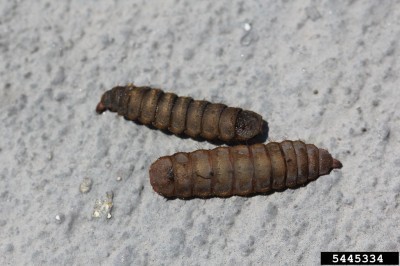
Greyish-brown larvae in your compost? You've likely found soldier fly larvae—harmless, beneficial, and worth encouraging rather than eliminating.
Adult soldier flies resemble black wasps but are completely harmless—no mouths, no stingers, cannot bite. Their 2-day adult life: fly, mate, lay eggs, die. They avoid homes, deter houseflies, and prefer manure piles and outhouses.
Larvae are decomposition champions. They rapidly break down green materials and household waste into forms easier for earthworms to process. They reduce manure in days, cutting odor and disease risk. Post-decomposition, larvae migrate out—easily collected for chicken feed. Birds love them as high-protein food.
To encourage them: Keep green materials (kitchen waste) near the top rather than buried. Maintain slightly higher moisture.
If they dominate: Bury kitchen waste under 4+ inches of browns (leaves, paper) and reduce moisture to favor earthworms.
Recognizing their value transforms "pests" into partners in your compost ecosystem.
Identifying Leaves from a Katy Perry Costume: Silk, Not Real
Identifying Inherited Houseplants: Hoya, Zygocactus, Rex Begonia
Desperate Dallas Lawn Rescue: Organic Protocol for Grubs, Weeds, and Fungus
Identifying and Organically Controlling Fast-Growing Grassy Weeds
Diagnosing Sudden Tomato Decline in Zone 5a: Disease vs. Frost
Tomato Fungus in Cool, Humid Conditions: Crowding and Airflow
Garden Stepping Stones: Creative Pathways for Personal Expression
Saving Overwatered Desert Roses in Florida
Centipedes in Greenhouse Orchid Pots: Harmless Predators
Indoor Palms Turning Brown Overnight: Light and Water Issues
Identifying and Eliminating Ant Infestations in New Jersey
Why Cockroaches Invade Homes & How to Stop Them
Funeral Flowers: Tradition, Symbolism, and Emotional Support
Copyright © www.100flowers.win Botanic Garden All Rights Reserved