


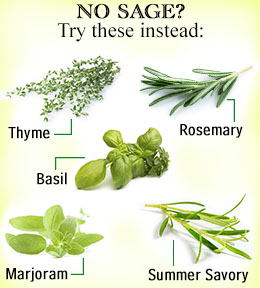
Sage (Salvia officinalis), with its pungent, earthy flavor, is a seasoning staple—especially for meats. But when you're out, these five mint-family herbs step in beautifully.
Ubiquitous in pastas, salads, poultry, sauces, stuffing, stews. Mediterranean origin, now global. Blends with eggplant, tomatoes, potatoes. Great in marinades for meat/fish. Tip: Add early to release oils and aroma.
Delicate, sweet scent enhances salads, stews. Rich in vitamins/iron. Similar to oregano but milder. Ancient Egyptian/Roman ceremonial use. Staple in Italian cuisine. Tip: Add well before cooking ends to meld flavors. Use dry, fresh-ground, or in marinades.
Memory-enhancing aroma. Perfumes, soaps, medicines. Culinary: sandwiches, dips, soups, juices, doughs. Tip: Make rosemary oil (crush leaves + oil) or add to tea water.
Bone health, cell vitality. Pastas, spaghetti, salads, butters, drinks, pickles, marinades, dressings. Superb with tomatoes + garlic. Healing for stomach, coughs, infections, bites, stress. Sacred in Hindu tradition. Tip: Great in tea. Store as ice cubes, dried powder, or fresh in jars.
Tender, less bitter than winter savory. European culinary staple. Classic with all beans. Also in meats, sausages, eggs, soups. Tip: Add near end of cooking—prolonged heat increases pungency.
Each herb has a unique profile—experiment to discover your favorite sage stand-in!
Organic Gardening Solutions: Pest Control, Composting, and Family Involvement
Borage: Ornamental, Culinary, and Medicinal Uses of the Starflower
Evergreen Shrubs for Shade: Best Picks for Low-Light Gardens
Cranberry Pills for UTI: Mechanism, Dosage & Side Effects
Complementary Herb Groups for Your Kitchen Garden
DIY Herb Gardens for Every Space: 5 Creative Projects
How to Grow Flax (Linum): True Blue Flowers, Food, Fiber, and Medicine
Reclaiming Polluted Land for Flower Cultivation: A Case Study from Fuzhou
Home & Garden Tools: Invest in Quality, Buy from Manufacturers
How to Care for Sage Plants: Avoid Overwatering for Longevity
Buying a Used Riding Lawn Mower: Inspection Checklist and Shopping Strategy
Essential Tips for Growing a Successful Indoor Herb Garden
Copyright © www.100flowers.win Botanic Garden All Rights Reserved