

Fixing Eggplant Flower Drop: Switch to High-Phosphorus Fertilizer
Introduction Eggplants flowering but not setting fruit usually suffer from excess nitrogen. Nitrogen vs. Phosphorus for Fruiting Standard Miracle-Gro (24-8-16) is too high in nitrogen. Fruiting plants need higher phospho

Bell Pepper Decline After Aphid Treatment: Virus or Fungus?
Introduction Aphid infestation followed by soapy-water treatment can leave peppers vulnerable to secondary infections. Possible Virus or Fungus from Aphids Aphids transmit viruses and fungi. Yellowing, distorted leaves w
Managing Squash Vine Borers: Prevention and Saving Fruit
Introduction Squash vine borers kill plants by boring into stems, but fruit can often be saved. Vine Borer Damage and Plant Decline Borers enter at the base, spread disease, and cause wilting. Once inside, plant survival
Why Did My Pumpkin Collapse After Harvest? Signs of Immaturity
Introduction A pumpkin that collapses and leaks fluid after harvest was picked too early. Signs of Immature Pumpkin Stem not brown and dry. Skin penetrable by fingernail. Plant still green and vigorous. Proper Harvest
Identifying a Volunteer Squash: Cross-Pollination and Harvest Tips
Introduction A mystery squash with green/gold/green bands is likely a cross from last years garden. Likely Squash Crosses Could be Hasta la Pasta spaghetti squash or a zucchini × winter squash cross. Volunteers often res
Harvesting Burpless Cucumbers: Size, Yellowing, and Leaf Dieback
Introduction Knowing when to pick burpless cucumbers and why leaves brown ensures a quality harvest. Identifying Overripe Yellow Cucumbers Yellow cucumbers are overripe—seedy and bitter. Pick before any yellowing. Optima
Troubleshooting Poor Pumpkin and Gourd Production in Sandy Soil
Introduction Vines with flowers but no fruit in sandy soil often suffer from pollination or nutrient imbalance. Pollination Issues Abundant flowers but no fruit suggests poor pollination. Hand-pollinate or attract bees w
Diagnosing Deformed, Discolored Leaves on Desert Vegetables and Fruit Trees
Introduction Shriveled, yellow-green new growth on multiple species in a desert garden suggests environmental stress. Possible Causes Pesticide damage: Neem oil above 90°F or excessive combination sprays can burn foliag
Harvesting and Drying Cayenne Peppers for Seasoning
Introduction Cayenne peppers are easy to grow and preserve for year-round heat. Harvest Timing for Cayenne Pick when fully red. Plants can keep producing until frost; in frost-free areas, they may overwinter. Overwinteri
Understanding Jalapeño Ripening: Green to Red and Heat Increase
Introduction Jalapeños naturally turn red as they mature, and this color change signals increased heat. Normal Ripening Process Red streaks or full red color are standard. Unlike bell peppers (which get sweeter), red jal
Can You Germinate Seeds from Frozen Chili Peppers?
Introduction Freezing chili peppers for kitchen use destroys seed viability for planting. Viability of Frozen Seeds Seeds are living tissue; freezing kills the embryo. Do not attempt to germinate seeds from frozen pepper
Harvesting Winter Squash After Vine Breakage: Ripeness and Storage
Introduction A broken squash vine stops ripening, but fruit may be mature enough to eat. Squash Wont Ripen Off the Vine Once the vine is severed, fruit will not continue to ripen or develop storage quality. Checking for
Identifying and Using a Mystery Squash Vine in the Garden
Introduction A vigorous volunteer squash vine with unknown fruit can be a bonus—if you know how to handle it. Possible Squash Crosses The fruit (dark green, widening at bottom) suggests a cross: acorn × zucchini, spaghet
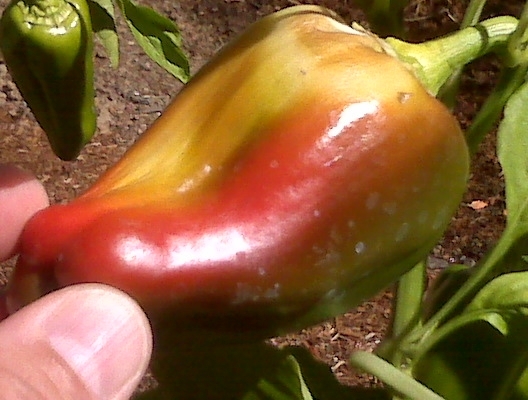
Diagnosing Shriveling and Blackening Peppers: Sunscald and Fungus
Introduction Peppers that shrivel and turn black before fully ripening often suffer from sunscald followed by fungal infection. Identifying the Problem: Sunscald and Fungal Infection Sunscald thins pepper walls, allowing
End-of-Season Tomato Care: Ripening Fruit Before Frost
Introduction Tomatoes are annuals killed by frost. Fall care focuses on salvaging the remaining crop. Frost Protection Techniques Cover plants with blankets before sundown if frost is forecast; remove early morning. Temp
When to Harvest Potatoes for Best Storage Life
Introduction Potato harvest timing depends on whether you plan to eat them immediately or store them. Harvest Timing for Immediate Use vs. Storage Fresh eating: Harvest anytime after tubers reach usable size. Storage: W
Troubleshooting Tomato Canning: Checking Seals and Spoilage Signs
Introduction Jars that dont ping after canning may still be sealed, but verification is critical. Testing Jar Seals Lids should be sucked down without pressing. Wait a couple of weeks: unsealed jars develop bubbles, off
Challenges of Direct-to-Consumer Vegetable Marketing in Rural Areas
Introduction Selling vegetables directly to consumers in rural areas presents unique hurdles. Customer Attraction and Education Getting customers to know you exist is the biggest challenge. Farm-direct prices are often h
Identifying and Preventing Leek Rot Caused by Onion Maggots
Introduction Leeks rotting from the top down in late summer often indicate onion maggot infestation. Symptoms of Onion Maggot Damage Maggots attack at the base of leaves, causing top-down rot. Grubs typically damage root
Why Homegrown Jalapeños Lack Heat and How to Fix It
Introduction Mild homegrown jalapeños are often due to variety genetics, not growing conditions. Jalapeño Heat Levels Standard jalapeños rate ~2,500 Scoville units. Heat increases as peppers ripen to red (membrane holdin
Copyright © www.100flowers.win Botanic Garden All Rights Reserved