

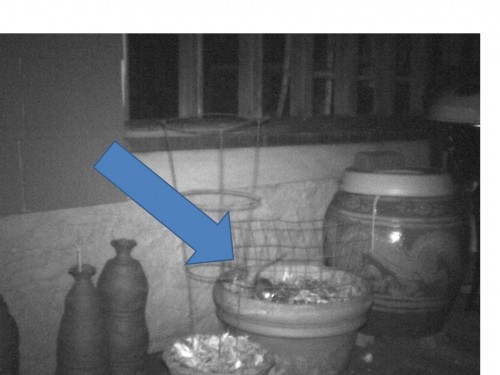
Rats Eating Pansies on Elevated Deck Planter
A game camera caught rats climbing to a deck planter 4 feet up and devouring pansies. The rats were also attracted to celery and broccoli bait. Likely attractants include nearby bird feeders or pet food left out overnigh

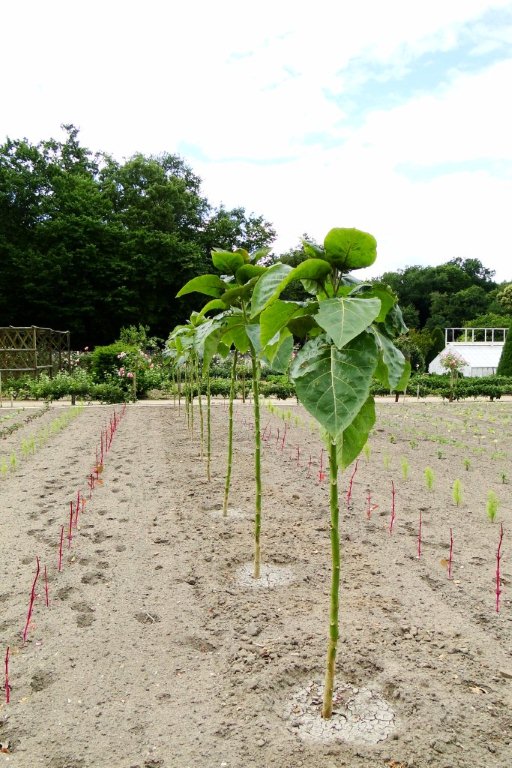
Walking Stick Kale: Towering Edible Ornamental
Walking stick kale (Brassica oleracea var. longata), also called Jersey Cabbage, grows from seed planted in March. As it reaches impressive heights, leaves can be stripped and eaten like kale or cabbage. The dried stalk
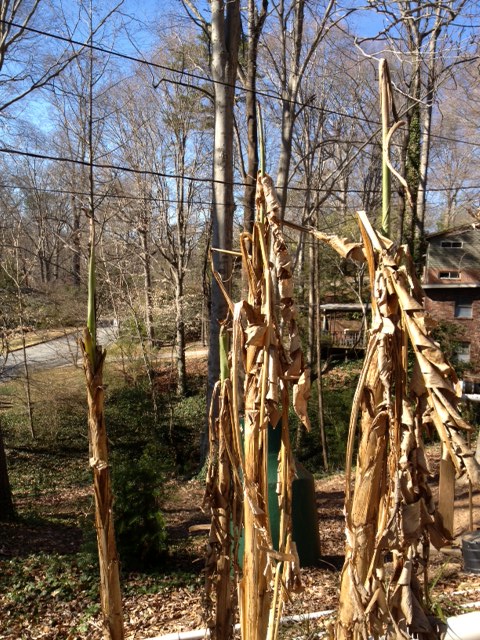
Banana Plants: No Winter Cutback Needed After Mild Winter
After a mild winter, banana stalks 6 feet tall are sprouting leaves. The trunk is actually tightly wound leaves; new growth and flower stalks emerge from the center. Since the stalks werent frozen back, theyre perfectly
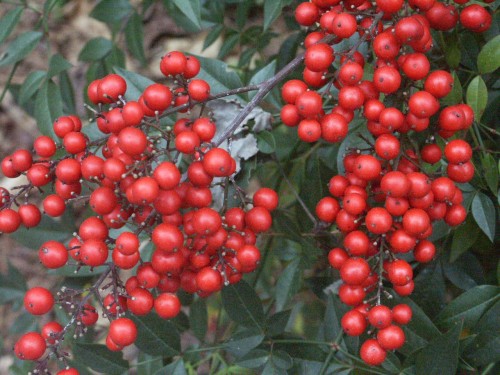
Nandina Berries Toxic to Cedar Waxwings
A veterinary necropsy of cedar waxwings that died en masse revealed crops full of nandina berries. While this one-time event doesnt warrant eradicating all nandina, it confirms that Nandina domestica berries can be letha
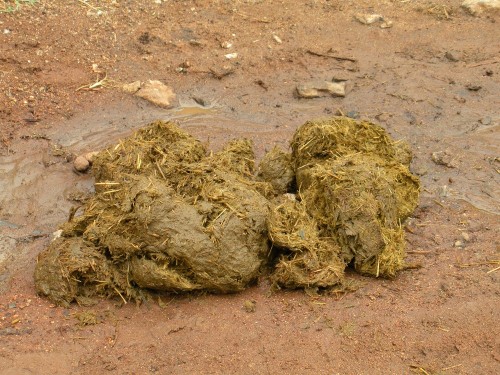
Dung Beetles for Dog Waste Cleanup: Not Commercially Available
While dung beetles effectively decompose animal waste in Africa and Australia, commercial sources in North America are virtually nonexistent. One company sells a Variety Pack of beetles, but efficacy is unproven. Native

Growing Cumberland False Rosemary in the Garden
Cumberland false rosemary (Conradina verticillata) naturally grows in sandy soil on stream banks. For garden success, plant in morning sun with afternoon dappled shade and amend soil with coarse sand. A resource link pro
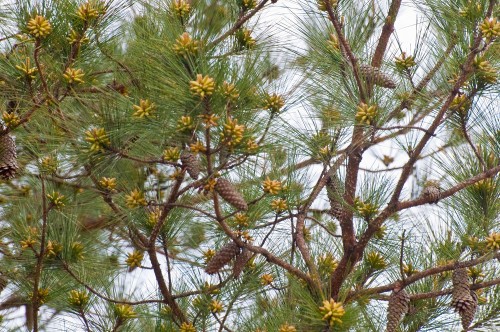
Why Some Pine Trees Have Cones and Others Don't
Pine cones take two years to mature on the tree. Pollen from male flowers fertilizes female flowers in spring; seeds mature and fall the next year. After releasing seeds, cones remain attached until the short stem decays
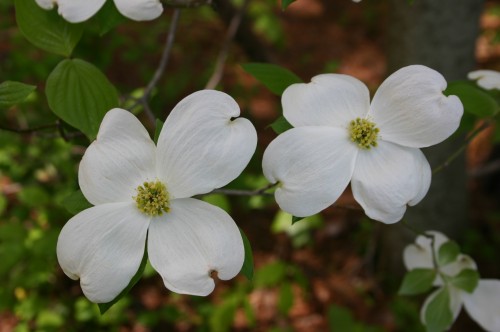
Dogwood Bloom Failure in 2013: Unexplained Natural Variation
Many gardeners reported few dogwood blossoms in 2013 despite normal leaf-out. No disease, drought, or severe cold explained the phenomenon. It appears to be an unexplained natural variation. Fertilizing in spring with a
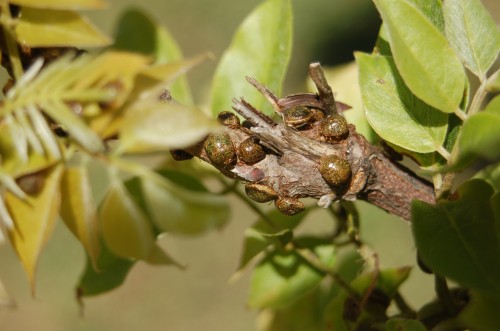
Managing Kudzu Bugs on Wisteria Without Removing the Vine
Kudzu bugs congregating on a blooming wisteria pergola can be managed without cutting down the vine. Spray thoroughly with a landscape insecticide (Ortho Bug B Gon, Bayer Home Pest Control, Bonide Beetle Killer, etc.), w
Chipmunks Protected Under Georgia Law
Chipmunks are classified as a nongame species in Georgia. Under O.C.G.A. § 27-1-28, it is unlawful to hunt, trap, take, possess, or transport any nongame species except for a specific list that includes rats, mice, coyot
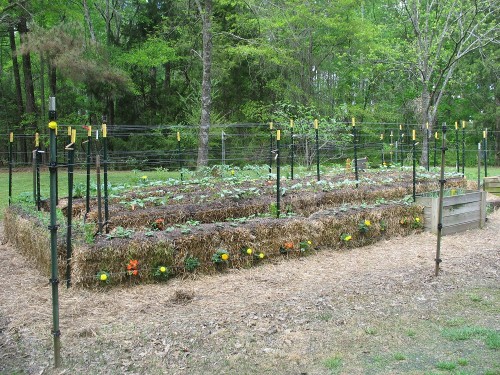
Straw Bale Garden Success: 45 Bales of Vegetables and Herbs
A gardener planted a 45-bale straw bale garden in early April under plastic sheeting, growing tomatoes, squash, cucumbers, cabbage, Brussels sprouts, broccoli, lima beans, butter peas, green beans, English peas, parsley,
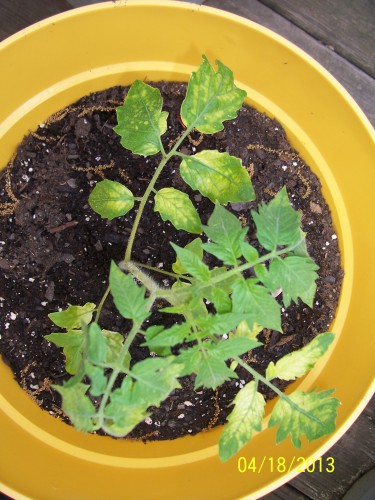
Tomato Sun Scald: Hardening Off Seedlings Properly
Tomato seedlings planted outdoors in mid-April developed yellowing, shriveling leaves—classic sun scald. Indoor-grown plants need gradual exposure to outdoor light over one to two weeks. Use a four-stage hardening-off pr
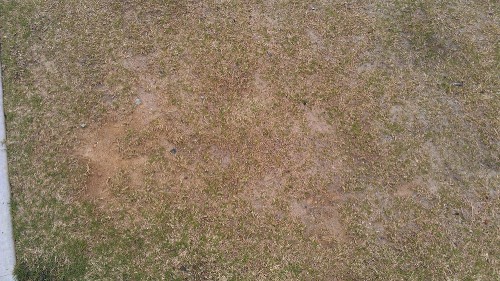
Bermuda Grass Thinning from Standing Water: Fix Drainage First
Bermuda grass thinned in areas where water stood after rain. Bermuda vehemently dislikes standing water. The solution: first identify and divert the water source. Then loosen compacted clay soil in dead spots—use an aera
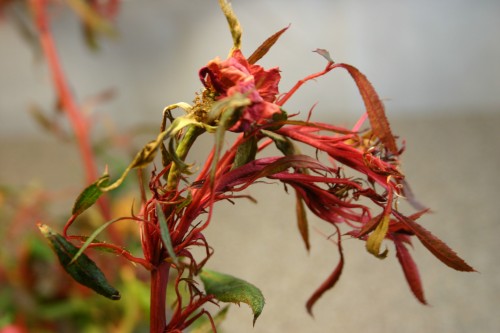
Rose Rosette Disease: Horticultural Oil for Mite Control
Rose rosette disease, spread by tiny eriophyid mites, causes distinctive short red stems and excessive thorns. The mites overwinter in bark cracks and lay eggs in early spring. Horticultural oil sprays can suppress mite
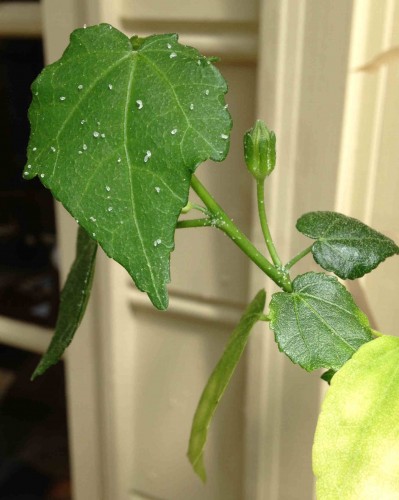
Hibiscus Oedema: Granular Deposits from Humidity Fluctuations
A miniature hibiscus in a sunroom developed irregular, sand-like granular deposits on leaves and stems. UGA tropical plant expert Bodie Pennisi identified this as oedema, a physiological disorder common in greenhouse pla
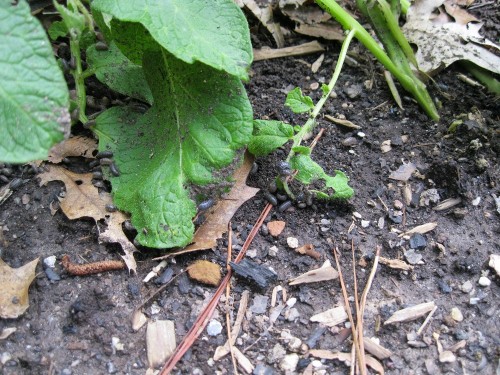
Sowbugs Devouring Seedlings: Organic and Chemical Controls
Sowbugs (pill bugs) were eating every new seedling—jalapeño, squash, cucumbers, okra—in a garden. These crustaceans typically bother only very young plants, chewing stems and leaves enough to kill them. The gardener pref
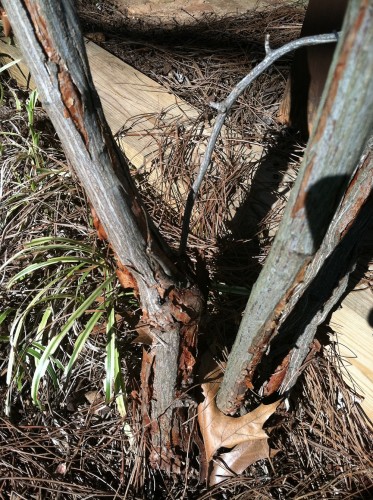
Lady Banks Rose: Splitting Trunk on Mature Cane
A 12-year-old Lady Banks rose covering a swing arbor showed a rusty, splitting trunk. Rose expert Ryan Tilley explains that older woody canes often develop splits or holes. If the rose is growing and blooming well, there
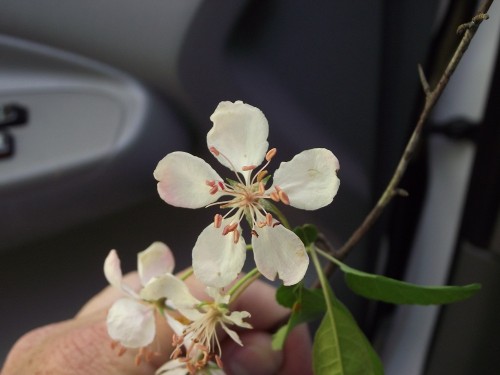
Fragrant Crabapple Identification Near Barnsley Gardens
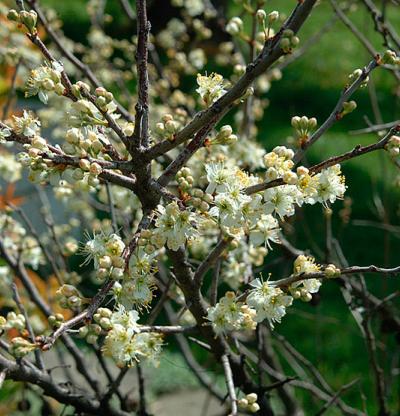
A small tree (8+ feet) with rough gray bark, pale pink clustered flowers, and a fragrance detectable 30 feet away was found near a creek in Floyd County. Landscape architect Bruce Holliday noted the small spines on the s
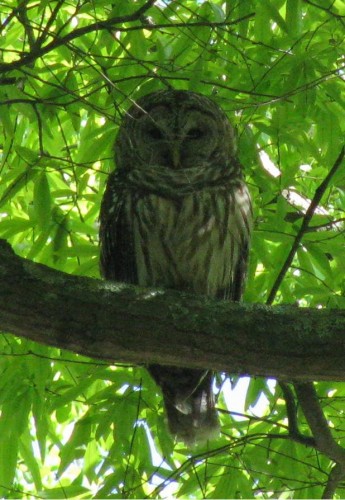
Barred Owl: The "Who Cooks for You?" Hunter
An owl near an office in Carrollton was observed catching a squirrel and eating it in a tree. The bird is a barred owl, a versatile predator that consumes mice, voles, shrews, moles, rats, squirrels, chipmunks, rabbits,
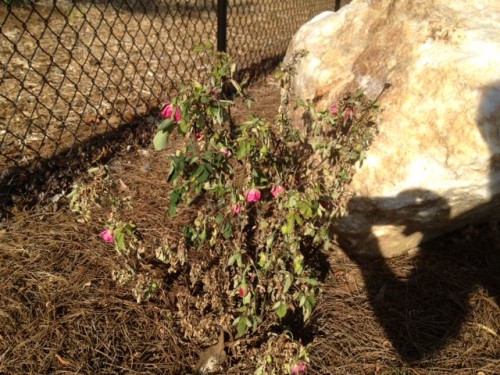
Fertilizer Burn on Rose: Too Much 13-13-13
A rose died rapidly after the owner applied several handfuls of 13-13-13 fertilizer before a rain. The fast-release fertilizer washed through the pine straw mulch and concentrated around the roots, creating a salty envir
Copyright © www.100flowers.win Botanic Garden All Rights Reserved