Hens and Chicks Blooming After 10 Years: Light Is Key
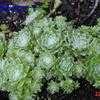
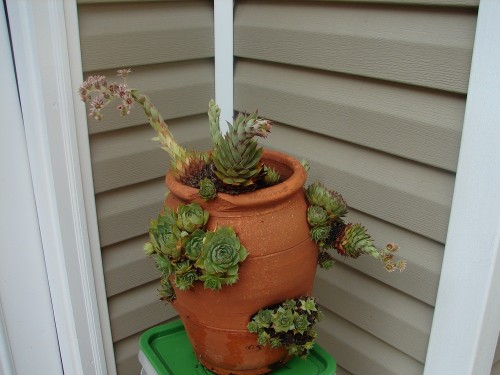
Succulents bloom reluctantly indoors due to insufficient light. They need high light year-round; moving them to lower light in winter interrupts the flowering cycle. Keep them bright, and theyll reward you with spectacul

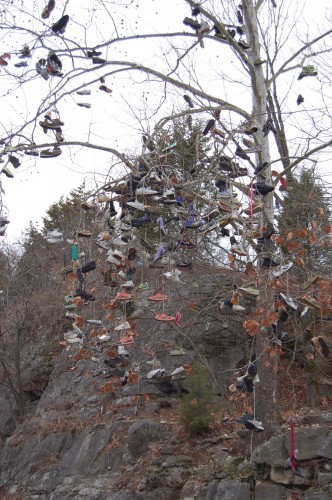
Alabama's Shoe Tree: Folk Art on US-72
A whimsical roadside tree adorned with shoes—folk art that adds personality to the landscape. Like bottle trees, its human-made charm. No propagation needed; just enjoy the creativity.
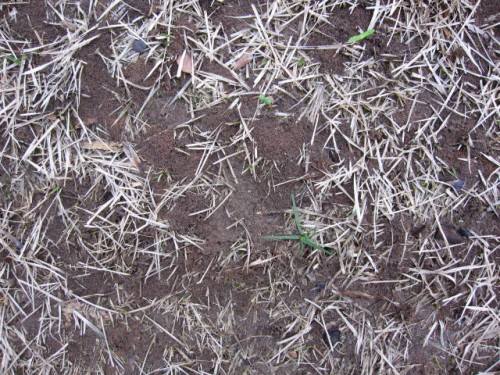
Thousands of Earthworm Mounds: Aeration Bonus, Not Lawn Ruin
Massive casting events follow heavy rain. Worms aerate deeply—water, oxygen, nutrients penetrate better. Larger holes may be raccoons digging for worms. No control needed; appreciate the free aeration.
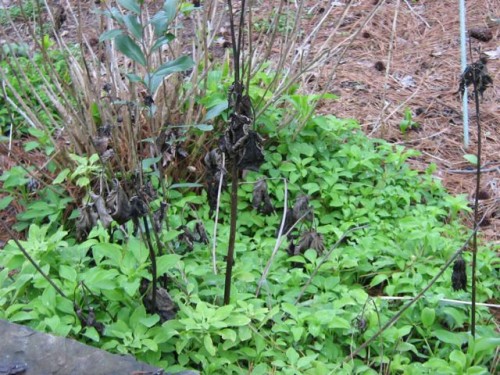
Alstroemeria: Beautiful Cut Flower, Aggressive Garden Thug
Alstroemeria spreads via brittle rhizomes, invading under walls and paving, smothering ferns and hydrangeas. Its especially rampant in moist shade. In hot sun it dies back summer, then explodes in fall. Enjoy in vases; b
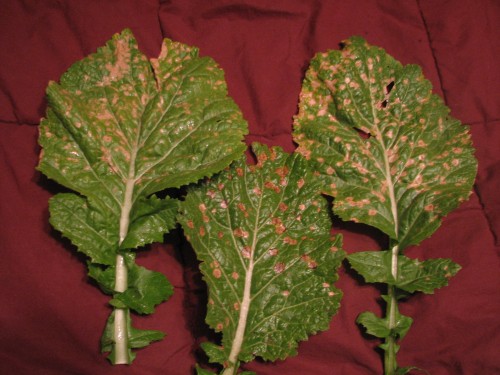
Cercospora Leaf Spot on Mustard and Turnip Greens
Brown spots with yellow halos indicate cercospora leaf spot. Copper fungicides (Kocide) are the only labeled treatment for mustard. Remove infected leaves, improve air flow, rotate crops. turnip leaf spot turnip leaf spo
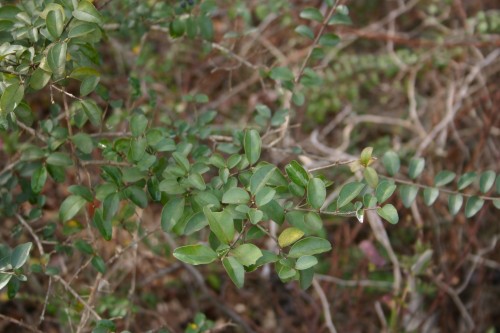
Georgia Invasive Plant List: Know Before You Grow
The Georgia Exotic Pest Plant Council categorizes invasives by threat level. The Georgia Invasive Species Task Force offers homeowner pamphlets. Check these before planting aggressive spreaders like Chinese privet. Chine

Creasy Greens: The Spring Tonic Wild Cress
Creasy greens (Barbarea verna), or winter cress, form dandelion-like rosettes with a peppery twang. Mountain folk harvest in early spring, cooking like turnip greens. Rich in vitamins, theyre a traditional Appalachian to
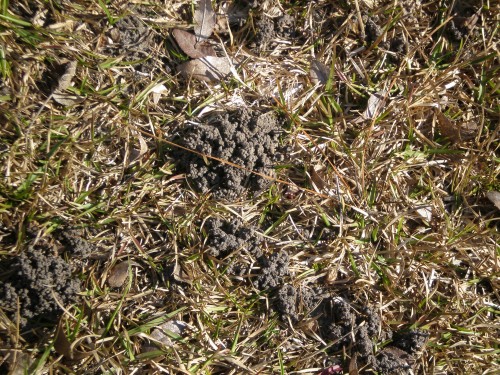
Earthworm Castings on Photography Lawn: Management Options
Castings indicate healthy soil. Mustard solution or walnut husks can drive worms up for collection. Pesticides labeled for turf can reduce populations but harm beneficials. UGA entomologist suggests laying a cloth for cl
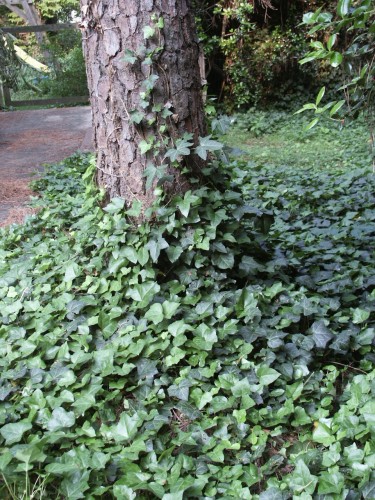
Rooting English Ivy Cuttings to Cover Stumps
Take 12-inch vine sections, strip lower leaves. Make 8-inch deep slits in soil with a shovel, insert leafless end, orient leafy tip toward stump. Firm soil. Water every few days until tips grow. Fertilize twice in summer
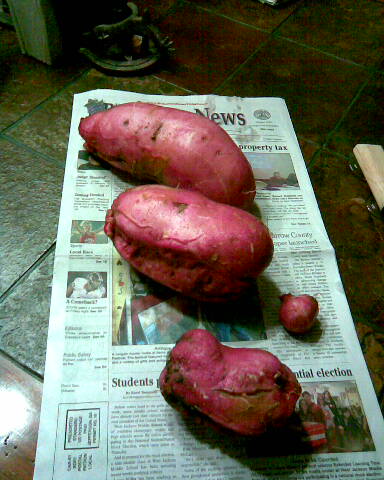
Curing Sweet Potatoes: Why Sun-Drying Beats Kiln Drying
Curing (suberization) thickens skin and converts starch to sugar. Ideal: 80°F for 7 days, then 60°F for 7 weeks. Home gardeners can use a sunny cardboard box for a week. Controlled curing yields better flavor than simple
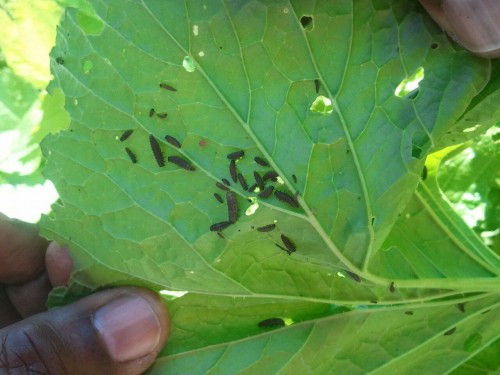
Yellowmargined Leaf Beetle on Turnips and Collards
Both larvae (green, group-feeding) and adults (black with yellow wing margins) devour brassica leaves. Hand-pick eggs, larvae, and adults. For larger plantings, acetamiprid (Ortho Fruit & Vegetable Insecticide) is effect
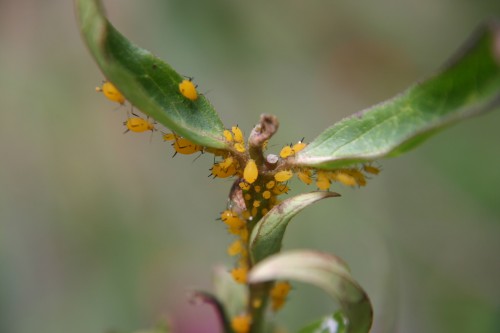
Milkweed Aphids: Bright Yellow but Harmless to Monarchs
These yellow-orange aphids cluster on milkweed stems, jerking in unison when disturbed. They dont harm monarch caterpillars. Blast off with a strong water jet every few days; beneficial insects will clean up the rest. mi
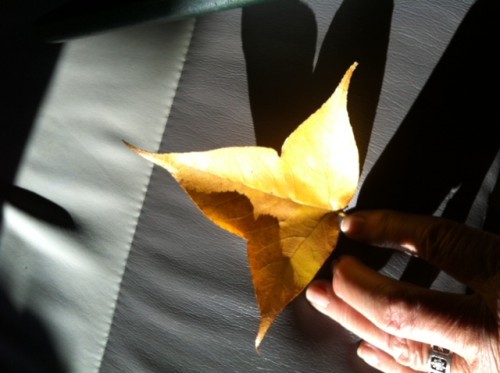
Formosan Sweetgum Identified on UGA Campus
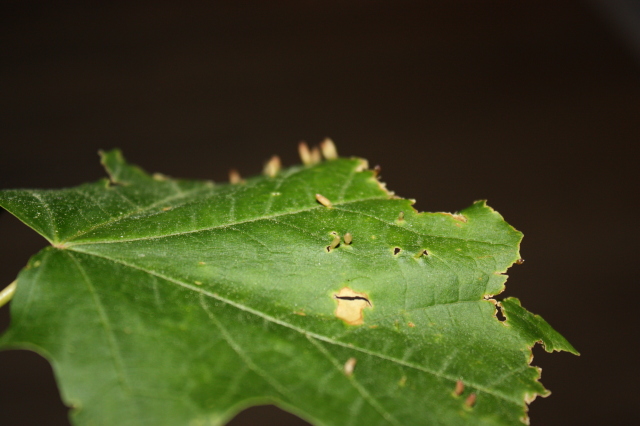
The leaf with three distinct lobes and a long, tapered center is Formosan sweetgum (Liquidambar formosana), a native of Taiwan. It resembles American sweetgum but has more elongated, graceful lobes. Formosan sweetgum
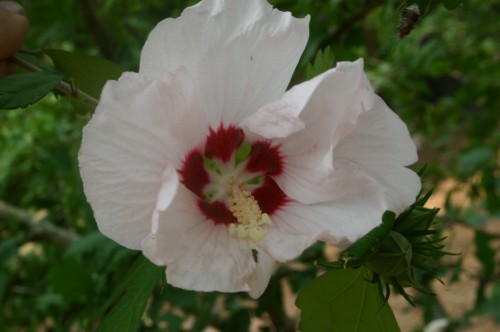
The Biblical Rose of Sharon: Not the Garden Shrub
The common garden rose of Sharon (Hibiscus syriacus) is not the plant in Song of Solomon 2:1. Scholars debate the identity—candidates include red tulips, crocuses, sea daffodil, and polyanthus narcissus (paperwhites). Th
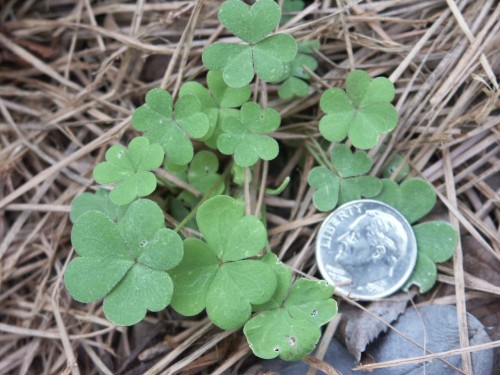
Controlling Clover in Dwarf Iris Beds
Irises are monocots, theoretically tolerant to 2,4-D (broadleaf herbicide). However, most 2,4-D products are labeled only for lawns. Test a small area first. For safer options, consult Dr. Mark Czarnotas Weed Control in
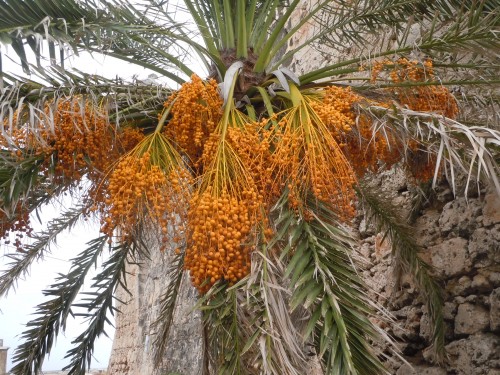
Date Palms Can Re-Root After Toppling
Unlike hardwoods, palms produce massive adventitious roots from a root-initiation zone at the trunk base. A blown-over date palm can be propped for 1–2 years and will re-establish. This is standard practice in Florida nu
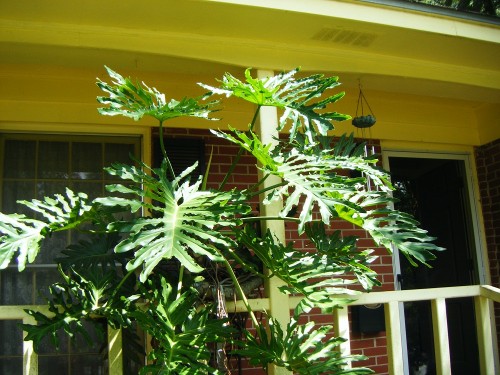
Split-Leaf Philodendron: A 30-Year Porch Survivor
Your plant is Philodendron bipinnatifidum (formerly selloum), distinct from Swiss cheese plant (Monstera) which has leaf holes. Normally a Zone 9 plant, it survives Atlanta winters in protected spots by dying back and re
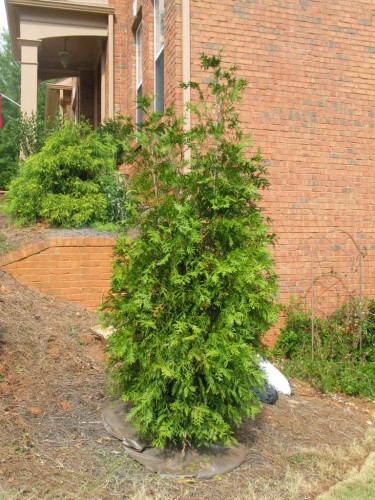
Arborvitae Multiple Leaders: To Prune or Not?
Removing competing leaders on a mature Green Giant exposes a large brown patch that wont fill in. Pruning should have been done young. If interior foliage is dense, careful removal may work, but expect a permanent aesthe
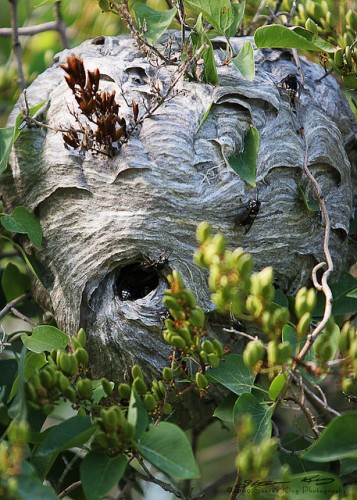
Safely Removing and Preserving a Hornet Nest
Wait for a hard freeze (below 32°F for 6+ hours). Cut the nest, seal in a plastic bag, bring indoors for 1–2 days. If any hatch, spray insecticide into bag and reseal. Once confirmed dead, the nest can be displayed.
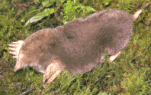
Mole Hills vs. Tunnels: Identification and Control Reality
Mounds of loose soil indicate deep tunneling (dens/travel), while raised ridges are shallow hunting runs. Moles eat grubs and earthworms, not plants. Control is difficult—tunnels may be used once. Trapping and baits have
Copyright © www.100flowers.win Botanic Garden All Rights Reserved