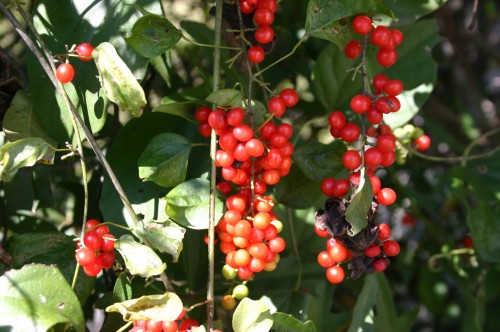
Bittersweet Vine: Invasive Oriental vs. Native American
Oriental bittersweet (Celastrus orbiculatus) has attractive berries but aggressively smothers other plants. Use for decoration but discard in trash after holidays. American bittersweet (Celastrus scandens) is well-behave


Fescue Yellowing: Missing Fall Fertilizer Applications
Despite extensive soil prep, seeding, and irrigation, fescue turned yellow over 60-70% of the lawn because regular fertilizing was omitted. Fescue needs heavy feeding in fall after germination: September, November, Febru
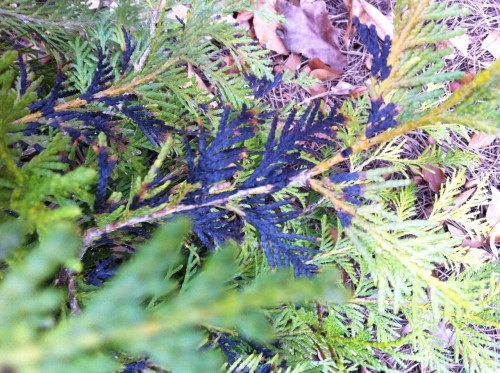
Arborvitae Black Flagging: Abiotic Stress, Not Disease
Blackening of lower, east-facing arborvitae tips was diagnosed by UGA lab as abiotic disorder—likely heat/drought stress from the previous summer or shading of lower foliage. Newly planted trees (under 2 years) arent ful

Boxwood Decline: Volutella Disease and Root Stress
Boxwoods yellowing over a year likely have volutella, a disease that attacks stressed plants. Boxwoods are shallow-rooted; they drown near downspouts or dry under roof overhangs. Slow-release fertilizers (cottonseed meal
Copper Barriers for Slugs: Mixed Results and Penny Myths
Copper sheet or woven wire barriers can deter slugs via electro-galvanic reaction, but modern pennies contain too little copper to work. One gardener found slugs crawled over copper wire rings. Long-term solution: stop l
Organic Pre-Emergent Weed Control: Corn Gluten Meal Marginally Effective
No highly effective organic pre-emergent exists for Georgia conditions. Corn gluten meal is sold as a pre-emergent but works poorly here. The best weed prevention is a thick, healthy lawn. see Corn Gluten Pre-Emergents
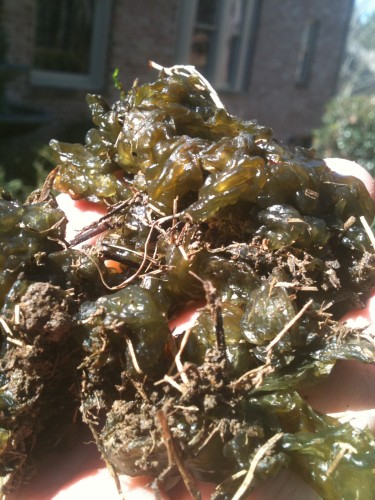
Nostoc (Cyanobacteria) in Lawn: Sign of Compacted, Wet Soil
Green, jelly-like patches that dry to black, paper-thin crusts are nostoc, a cyanobacterium often called algae. It doesnt harm grass but indicates compacted clay or silt soil that stays moist and shady—conditions unfavor
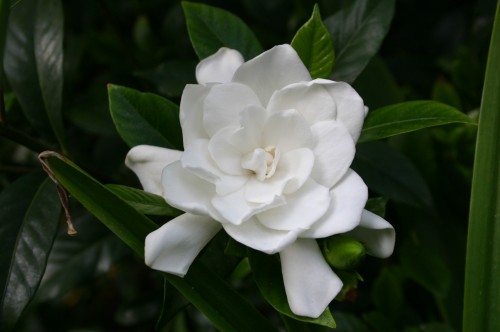
Planting Florist Gardenia Outdoors: Wait Until Spring
Florist gardenias are typically greenhouse-grown Gardenia jasminoides selections that are cold-tender. Do not plant outdoors in winter. Wait until April, then choose a sunny, well-trafficked spot for fragrance enjoyment.
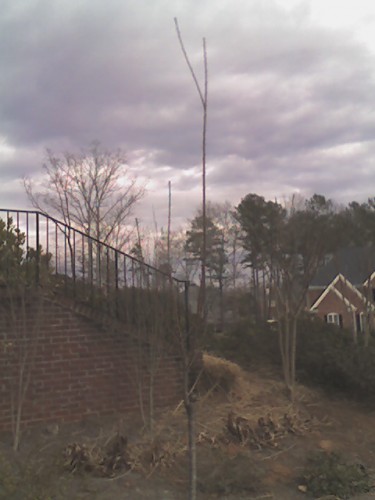
Weeping Cherry Lost Its Weep: Grafted Top Removed by Pruning
A weeping cherry pruned heavily after disease lost its weeping form because the grafted weeping scion (likely Prunus subhirtella Pendula) was removed, leaving only the upright rootstock (likely Mazzard cherry). The tree
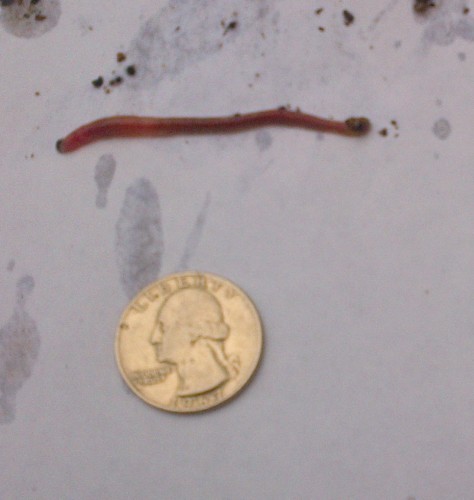
Bloodworms in Pond Filter: Beneficial, Not Leeches
Leeches in a pond filter were actually bloodworms—larvae of non-biting midges. They live in bottom muck and are fish food. Their abundance suggests few or no fish in the pond. No control needed; clean the filter occasion
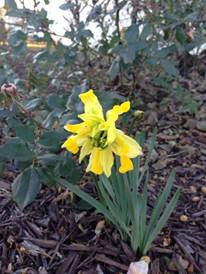
Daffodil 'Telamonius Plenus' (Van Sion): Historic Green-Mottled Double
A unique daffodil from a Tennessee family farm was identified as Telamonius Plenus (syn. Van Sion), a very old cultivar dating to the early 1600s. Its a wild sport double with greenish mottling, especially in warm weathe
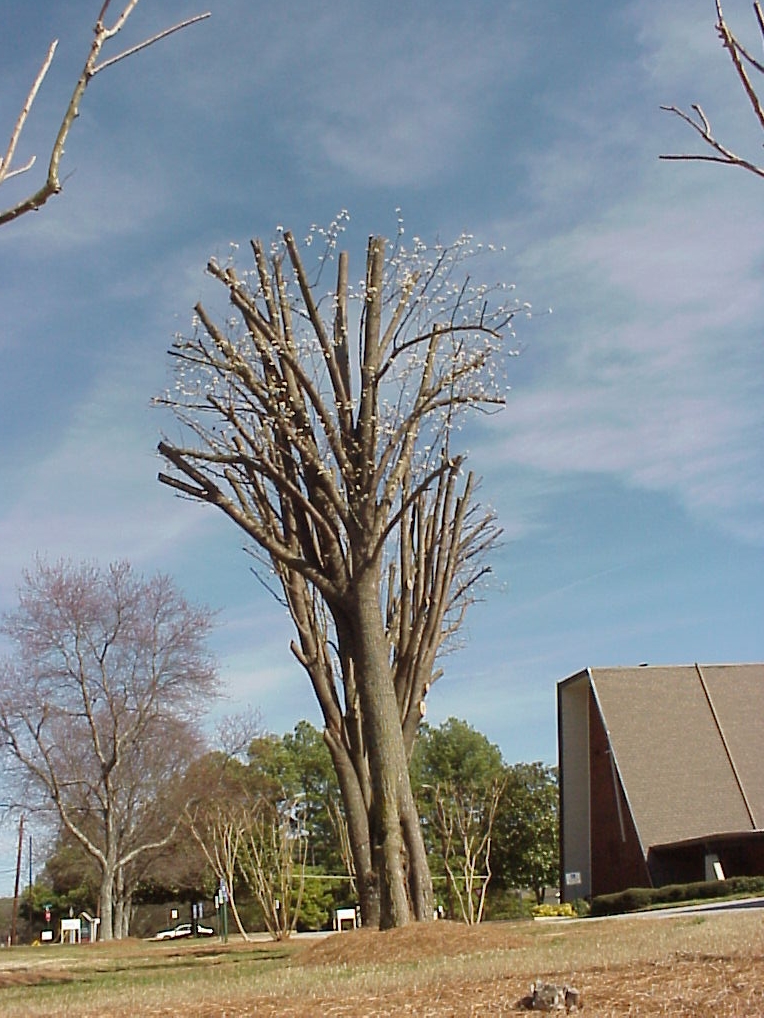
Topping Bradford Pears: A Desperation Measure with Risks
Certified Arborist Chris Hastings warns that topping Bradford pears is a desperate practice, not proper horticulture. Pollarding (repeated severe pruning) reduces limb failure risk but suppresses blooms for 1–2 years and
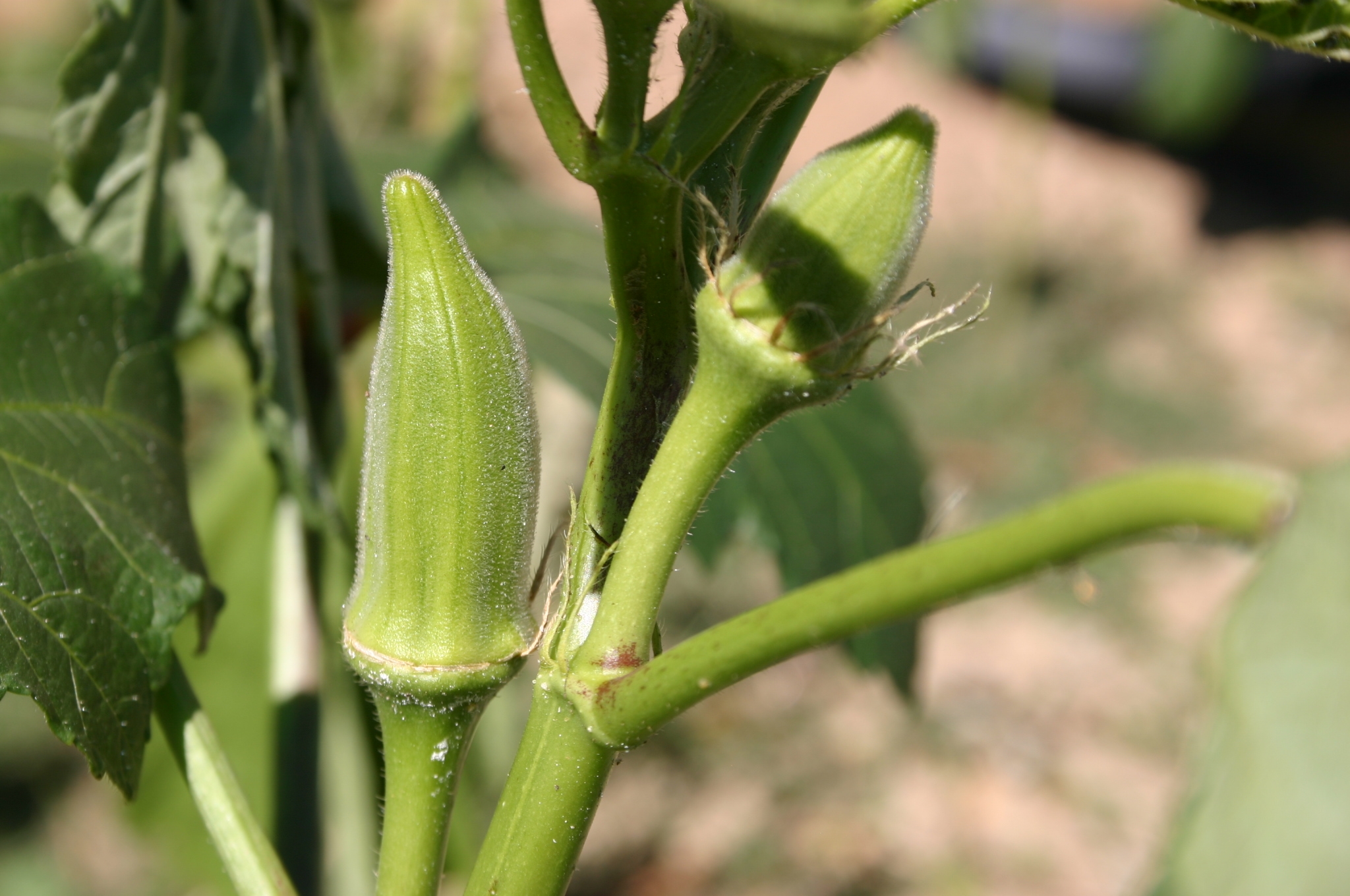
Pruning Okra for Easier Harvesting
Okra can be pruned to keep pods within reach. Plant seeds 12 inches apart, thin to 24 inches. Fertilize regularly, harvest through mid-summer. When stalks reach 6 feet, clip them at 4 feet. Growth pauses for two weeks, t
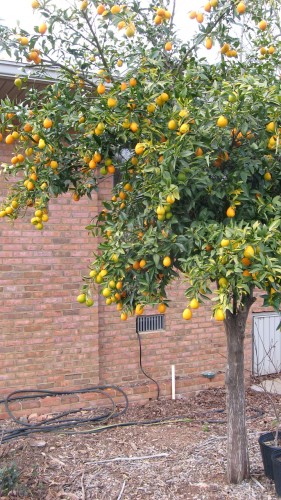
Citrus in McDonough: 'Thomasville' Citrangequat Survives Cold Winters
Four orange trees in McDonough, three 18 feet tall, one pruned to 12 feet, are likely Thomasville citrangequat—a cold-hardy trigeneric hybrid (kumquat × citrange). Citrangequats combine kumquat and trifoliate orange hard
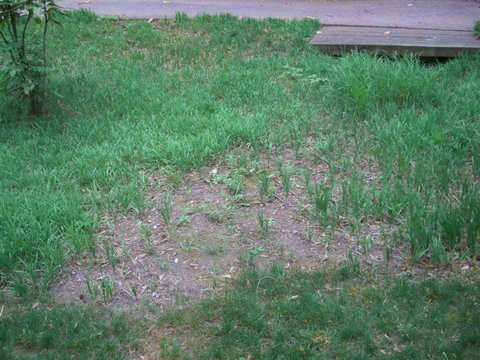
Liriope Crown Rot in Poorly Drained Area: Replace with River Rock
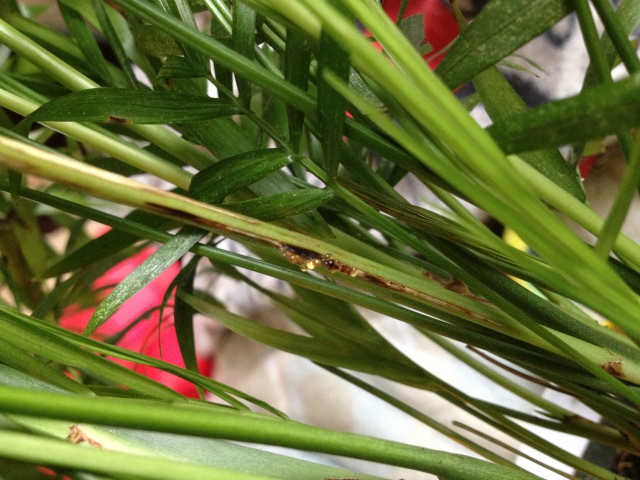
Liriope dying in patches with yellow, floppy leaves indicates crown rot, often triggered by water saturation near a drain. The soil becomes waterlogged silt. No fungicide cures it; replanting liriope will likely fail. Re
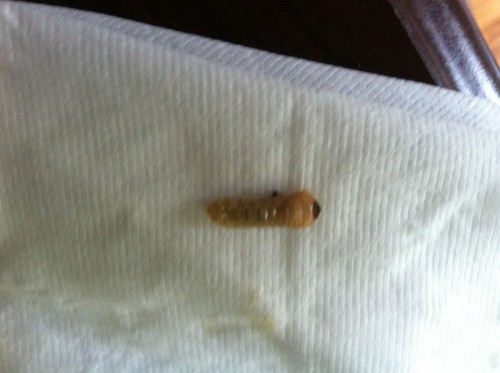
Longhorn Borer in Maple: Bark Spraying for Prevention
A grub in a maple crotch with small ants is likely a longhorned borer larva. Adults bore into trunks, lay eggs, and larvae tunnel under bark. Once inside, little can be done. Prevention: spray nearby bark with garden ins
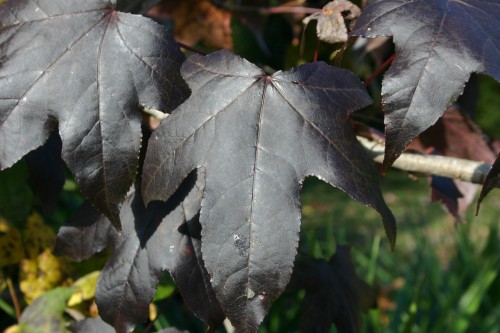
Sweetgum Trees: Strong Architecture and Fall Color Despite Nuisance Balls
While sweetgum balls are hazardous projectiles for mowers and the wood is hard to split, environmentalist Theresa Schrum notes the trees are architecturally strong, fast-growing, long-lived, provide excellent shade, supp
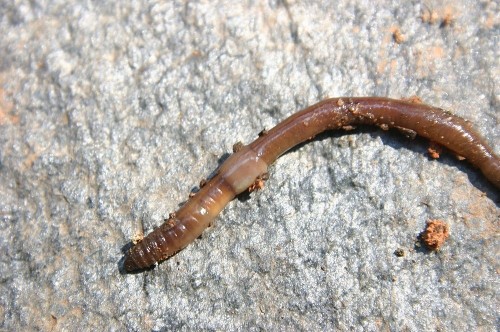
Alabama Jumper Earthworms: Not Recommended for Clay Soil
Alabama jumpers (Amynthas gracilus) are non-native earthworms promoted for deep burrowing in clay. However, earthworms need oxygen, and heavy clay is poorly aerated. Native worms already thrive in organically amended soi
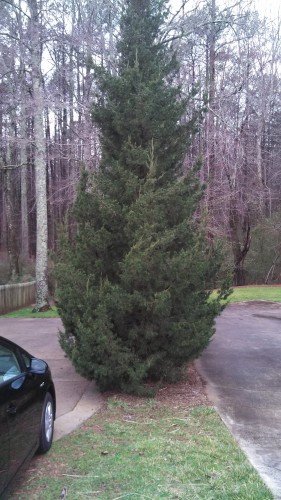
Pruning Needled Evergreens: Leave Green Growth Behind Every Cut
Needled evergreens (Leyland cypress, arborvitae, pine, juniper) dont regrow from brown wood. When shortening limbs, always cut back to a point where green growth remains. Avoid stubs; cut at the limbs origin. A two-year
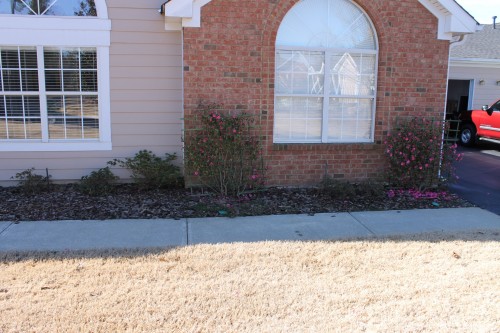
Plants for Soggy Shade: Virginia Sweetspire, Ferns, and More
A north-facing, wet clay site with morning-only sun on the east side caused azaleas and gardenias to fail. Dwarf yaupon holly tolerates wet soil but needs more sun. Better choices: Virginia sweetspire and autumn fern for
Copyright © www.100flowers.win Botanic Garden All Rights Reserved