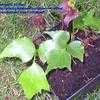


Building a Hugelkultur Bed for Vegetables
Hugelkultur—burying woody debris under soil—creates a long-term, self-fertilizing raised bed ideal for heavy feeders like squash, melons, tomatoes, and peas. Dig a trench, pile in logs, branches, and twigs, stomp them do

Planting Tuscan Kale: Seed Sources and Tips
Tuscan kale (also called Lacinato or dinosaur kale) thrives in Georgia gardens. Its narrow, blistered leaves are packed with nutrition and perfect for kale chips. Seed from out-of-state sources (like Oregon) performs wel
Growing and Curing Tobacco at Home
Home tobacco growing is feasible but start with transplants, not seeds, to avoid the tricky germination process. Order plants from a reputable source like New Hope Seed (newhopeseed.com). Plant in full sun, spacing 2 fee
Spring Scalping and Fertilizing for Thicker Bermudagrass
To transform a tall, thin bermudagrass lawn into a dense, low carpet, start when the grass shows the first hint of green—usually March. Scalp it to 1 inch to remove dead top growth. Thereafter, mow whenever the grass rea
Planting Asparagus Crowns: Depth and Technique
When planting asparagus crowns, distinguish the central crown (the bud cluster) from the fleshy roots radiating outward. Dig a trench 6 inches deep and wide enough to spread the roots. Form a small mound of soil in the c
Centipedegrass: Aerate Instead of Dethatching
For centipedegrass, annual core aeration largely eliminates the need for dethatching. The aerator pulls soil plugs that accelerate thatch decomposition by introducing microbes to the surface. Additionally, mow regularly—
Overwintering Staghorn Fern in North Georgia
Moving from South Florida to northeast Georgia means your staghorn fern (Platycerium) must come indoors for winter—it wont survive freezes. If you have a bright, humid indoor spot (like a bathroom or sunroom), bring it i
Attracting Mason Bees to Your Georgia Garden
Mason bees are superb early-season pollinators for fruit and vegetable gardens. Unlike honeybees, theyre solitary and nest in hollow tubes. No local Georgia retailers sell them, but you can order cocoons online from supp
Pollinating Tea Viburnum for Berry Production
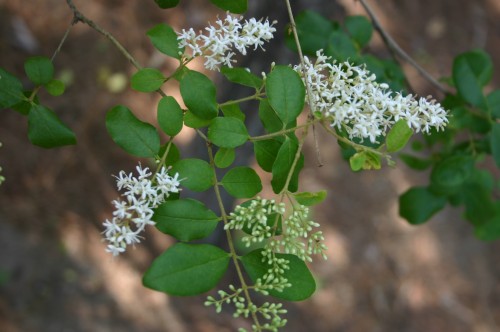
Tea viburnum (Viburnum setigerum) has perfect flowers but is self-incompatible—it needs pollen from a genetically different plant to set its signature abundant berries. To ensure cross-pollination, purchase two plants fr
Best Blackberries and Raspberries for Southeast Georgia
For southeast Georgia, Kiowa and Gem are excellent blackberry choices, while Caroline and Dorman Red perform well as raspberries. Space plants 2 feet apart in rows. Install a heavy-gauge wire trellis 4 feet above the gro
Garden Lime vs. Pickling Lime for Indigo Dyeing
They are chemically different. Garden lime is calcium carbonate (CaCO₃), while pickling lime is calcium hydroxide (Ca(OH)₂). Calcium hydroxide is far more alkaline, providing the high pH needed to dissolve raw indigo and
Pre-Emergent Herbicide After Heavy Rain: Still Effective?
If you applied pre-emergent herbicide just before a deluge, youre likely fine—unless significant soil erosion occurred. The active ingredient dissolves and binds to soil particles; if the soil stayed put, the chemical re
Fertilization Schedule for Scuppernong Grapes
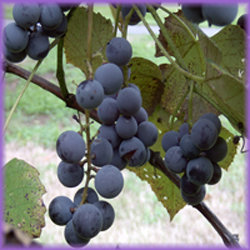
For established scuppernong (muscadine) vines, apply 3–5 pounds of 10-10-10 fertilizer per plant each March. In June, add ½ pound of ammonium nitrate per vine. Muscadines have a high magnesium requirement, so also apply
Growing and Harvesting Fennel: Herb vs. Florence
Fennel comes in two distinct types. Herb fennel (Foeniculum vulgare) is grown for its feathery, anise-flavored leaves and aromatic seeds. Florence fennel, or finocchio (Foeniculum vulgare var. azoricum), forms a bulbous
Growing Christmas Cactus from Seed
If your Christmas cactus produces a seed pod, you can propagate it from seed. Wait until the pod turns bright pink, then snip off the narrow end. Squeeze the pulp into a little sand in your palm and rub to separate the d
Container Vegetable Gardening: Varieties and Schedule
Container gardening is ideal for outsmarting a digging puppy. Choose compact or dwarf varieties of peppers, tomatoes, okra, and cool-season crops like lettuce and spinach. Use light-colored pots—dark containers absorb he
Establishing Zoysiagrass from Local Sod Plugs
Zoysiagrass makes a superb, weed-resistant lawn, but ordering plugs from distant suppliers is unnecessary. Instead, buy fresh sod from a local nursery or sod farm and cut it into 3-inch-wide plugs. Plant them 6 inches ap
Pruning a Mature Pussy Willow for Size and Catkins
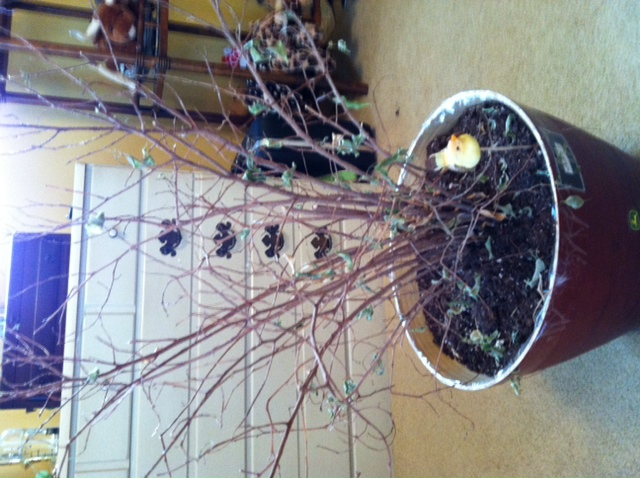
A nine-year-old pussy willow is a rarity—most succumb to twig blight, leaf spot, aphids, or leaf beetles within a few years. If yours is thriving, pruning wont kill it. To reduce it to a bushy size, cut selected canes ba
Wheat Straw Mulch and Fescue Germination
If your newly seeded fescue lawn is sprouting wheat along with the grass, dont panic. The wheat seedlings are annuals and will die out naturally as temperatures rise. Regular mowing accelerates their decline. However, th
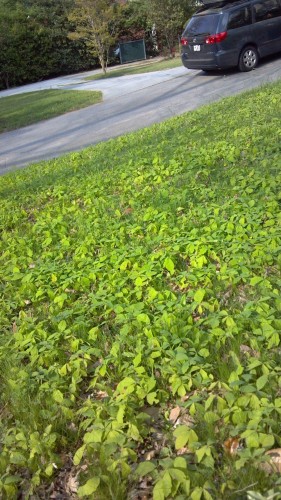
Controlling Acorn Sprouts in the Lawn
A heavy acorn drop can leave your lawn dotted with hundreds of tiny oak seedlings. Unfortunately, theres no pre-emergent herbicide that stops acorns from germinating. Your best options are manual removal or spot-treating
Copyright © www.100flowers.win Botanic Garden All Rights Reserved