


Cardoon (Cynara cardunculus), also called artichoke thistle, is a dramatic perennial grown for its edible, celery-like leaf stalks and its ornamental value. Closely related to the globe artichoke, it forms a large rosette of deeply lobed, silvery-gray leaves up to 3–5 feet long, topped in summer by magnificent purple thistle flowers.
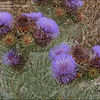
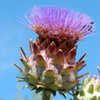
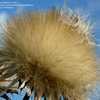
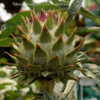
| Family: | Asteraceae (ass-ter-AY-see-ee) |
| Genus: | Cynara (SIN-uh-ruh) |
| Species: | cardunculus (kar-DUNK-yoo-lus) |
Native to the Mediterranean, cardoon has been cultivated since ancient times. The leaf midribs are blanched (by tying up leaves or mounding soil) for 3–4 weeks before harvest to reduce bitterness and improve tenderness. The flower buds are also edible, similar to small artichokes.
Cardoon needs a long, cool growing season, full sun, and deep, fertile, well-drained soil. Start seeds indoors 8–10 weeks before last frost. Space plants 3–4 feet apart. Hardy in USDA zones 7–10; often grown as an annual in colder zones. Wear gloves when handling—spines can be sharp.
Chervil (Anthriscus cerefolium): Delicate Anise-Flavored Herb for Spring
Fenugreek (Trigonella foenum-graecum): Ancient Spice and Medicinal Legume
Goldenseal (Hydrastis canadensis): Endangered Native Medicinal Herb of Eastern Forests
Dill (Anethum graveolens): Classic Culinary Annual
Caraway (Carum carvi): Biennial Spice and Medicinal Seed
Common Myrtle (Myrtus communis): Fragrant, Evergreen Mediterranean Shrub for Topiary and Hedges
Anise (Pimpinella anisum): Sweet, Licorice-Flavored Annual for Seeds and Leaves
Hosta plantaginea: The Fragrant Species with Giant White Flowers
Comfortroot (Hibiscus aculeatus)
Hibiscus hamabo: Coastal Species
Licorice (Glycyrrhiza glabra): The Sweet Root of Herbal Medicine and Confectionery
Dorstenia bahiensis: Unusual Tropical Fig Relative with Shield-Shaped Flowers
Catstongue (Priva lappulacea): Tropical Groundcover with Sticky Seeds
Sesame (Sesamum indicum): Ancient Oilseed Crop for Seeds and Oil
Copyright © www.100flowers.win Botanic Garden All Rights Reserved