


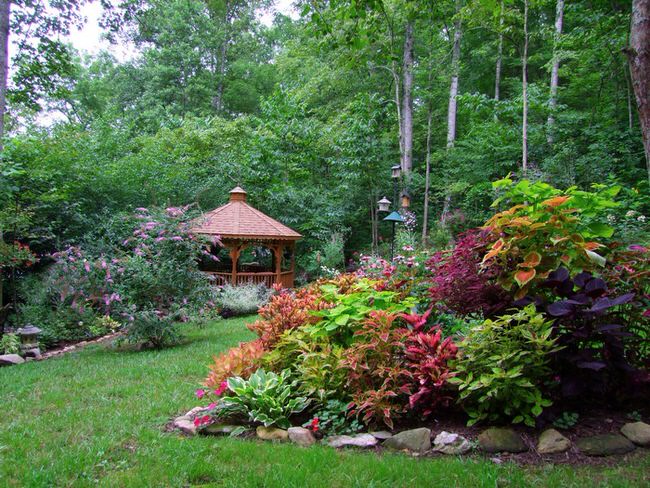
An island bed can transform a monotonous lawn into a captivating garden focal point. Accessible from all sides, these freestanding beds simplify planting and maintenance while offering visual interest from every angle. They add depth, balance, and a splash of color and texture to your landscape. However, designing an island bed requires thoughtful planning to maximize its strengths. Because it's viewed from all directions, every design choice matters. Here's a step-by-step guide to creating an island bed that shines.
Think of an island bed like placing a sofa in a living room—it shouldn't block traffic, should be enjoyable from all sides, and must balance the space. Before digging, consider how you use your yard. Do children play sports there in summer? If you have a large yard, position the bed where you spend the most time outdoors. Balance is key: if three large trees dominate one side, don't place the bed there. Use a garden hose or white twine to outline the proposed shape, then step back and evaluate from multiple viewpoints before breaking ground.
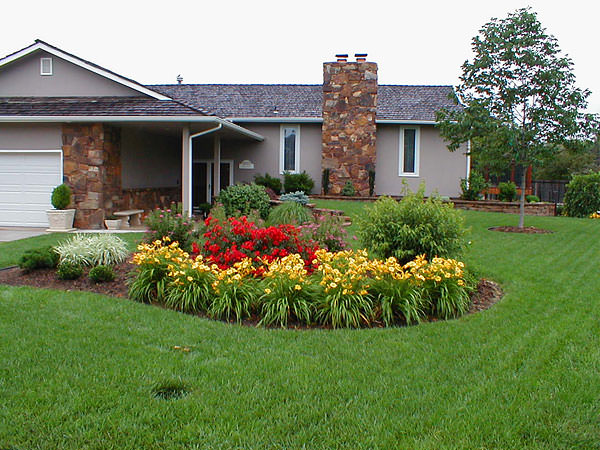
First, assess your garden's style. Formal gardens suit geometric shapes, but most yards benefit from free-flowing, organic forms like a modified kidney shape. Use the twine trick to experiment with curves.
One common mistake is making the bed too small. Scale it to your yard's total size, the distance from the house, and the mature height of your plants. When in doubt, go larger. Lay out the bed, step back, then expand it slightly beyond your comfort zone—you'll likely find the bolder size looks better.
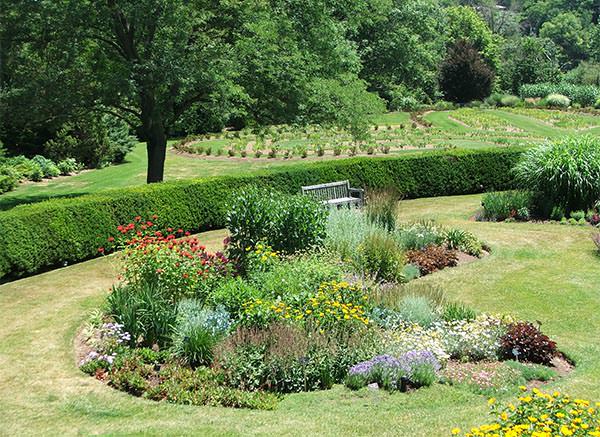
Creating an island bed is similar to any garden bed. Use a shovel or spade to remove sod. Spray paint can mark the edges on the lawn—any overspray will be mowed away. Amend the soil with compost and till it in for a fertile planting base.

Since the bed is viewed from all sides, place the tallest plants or small trees near the center and graduate heights downward toward the edges. Apply standard design principles: form, contrast, texture, and color. Aim for year-round interest on at least three sides. Dividing the bed into thirds helps—ensure something is blooming or visually interesting in each section throughout the seasons.
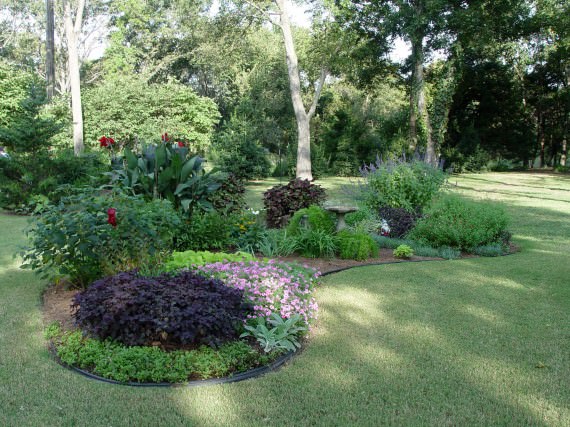
Don't skip edging! A clean border makes mowing easier and prevents lawn grass from reclaiming the bed. With that final touch, your island bed is ready to become a garden centerpiece.
Landscape Design Fundamentals: Principles, Process, and Professional Insights
Modern Platform Beds: Green Materials, Custom Design, and Storage Innovation
Queen Platform Beds: The Quiet Revolution in Bedroom Design
Modern Contemporary Beds: Style, Storage, and Comfort
Full-Size Platform Beds at Viesso: Custom Comfort, Modern Style
Garden Design Principles: Create a Garden That Works for You
Modern Furniture Design: Mastering Proportion, Perception & Flow
Garden Design London: From Concept to Creation Across the Capital
What Is Permaculture? Ethics, Principles, & Practical Design
Bed Bugs: Myths, Facts, and Why Professional Help Matters
Interior Plantation Shutters: Custom Design, DIY Ordering, and Quality Craftsmanship
Contemporary Patio Design: Geometry, Materials, and Integration with Landscape
Garden Design Essentials: Site Analysis, Layout & Plant Selection
Copyright © www.100flowers.win Botanic Garden All Rights Reserved