


Mow when grass exceeds recommended height by one-third. Example: fescue at 3″ ideal → mow at 4″. Use a wooden ruler to calibrate your mower settings. Raise 0.5–1″ in peak summer to shade soil and cool roots.
| Grass | Height |
|---|---|
| Tall Fescue | 2–3 |
| Bluegrass | 2–3 |
| Common Bermudagrass | 1–2 |
| Hybrid Bermudagrass | 0.5–1.5 |
| Zoysia | 0.5–1.5 |
| Centipedegrass | 1–1.5 |
| Carpetgrass | 1–2 |
| St. Augustine | 2–3 |
| Ryegrass | 1–2 |
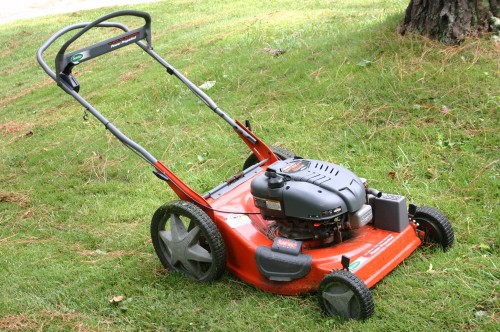
Mowing height gauge
Growing Grass in Deep Shade: Realistic Expectations
Lawn Looks Burned After Mowing: Dull Blades or Over‑Cutting?
Establishing a Clover Lawn: A Low-Maintenance Alternative
Mowing St. Augustinegrass: Height, Frequency, and Equipment
Mowing Centipedegrass: Height, Frequency, and Blade Care for a Healthy Lawn
Mowing Zoysiagrass: Height, Equipment, and Seasonal Practices
Heliamphora Height for Terrarium: heterodoxa and heterodoxa x minor
Bermuda Mowing Height: It's Part of a System, Not a Number
Best Grass for New Jersey: Why Tall Fescue Reigns Supreme
Topdressing New Sod on Poor Soil: Why Compost Beats Topsoil
Shade Gardens: When Grass Simply Won't Grow
Tips for Growing Grass: Soil, Seed, Water, and Maintenance Essentials
Copyright © www.100flowers.win Botanic Garden All Rights Reserved