
Hyssop (Hyssopus Officinalis): Growing, Culinary, and Medicinal Uses
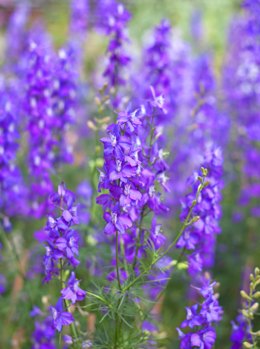
Hyssop (Hyssopus officinalis) is an aromatic, semi-woody perennial from the mint family (Lamiaceae), native to the Mediterranean and Central Asia. With its slender spikes of purple-blue, pink, or white flowers and narrow

Lobelia Inflata: Respiratory Benefits, Anxiety Relief, and Safety Concerns
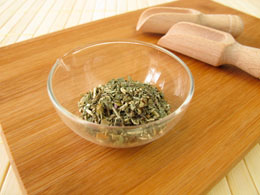
Lobelia inflata, known as Indian tobacco or puke weed, is a North American native herb with a long history of use by Indigenous peoples for respiratory ailments. Its primary active compound, lobeline, is an alkaloid with
Dong Quai: The "Female Ginseng" for Hormonal Balance and Women's Health
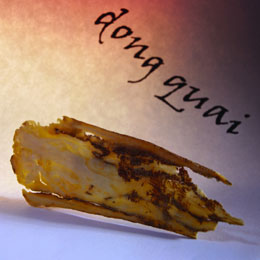
Dong quai (Angelica sinensis), a fragrant perennial native to the cool, damp mountains of China, Japan, and Korea, has been a cornerstone of Traditional Chinese Medicine for over 2,000 years. Often called female ginseng
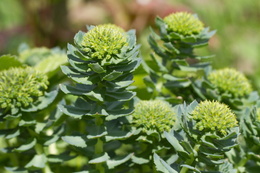
Rhodiola Rosea: Benefits, Uses, and Potential Side Effects
Rhodiola rosea, commonly called golden root or rose root, is a hardy perennial from the Crassulaceae family that thrives in harsh Arctic and alpine environments across Europe, Asia, and North America. For centuries, trad
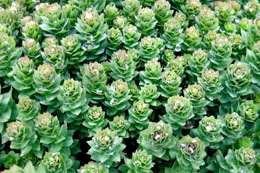
Rhodiola Rosea: Adaptogenic Benefits for Stress, Energy, and Cognitive Function
Rhodiola (Rhodiola rosea), also called golden root or rose root, belongs to the Crassulaceae family and grows in cold mountainous regions of Asia and Europe. With over 100 varieties, R. rosea is the most studied. Used si
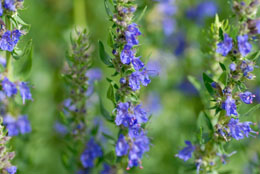
Hyssop Herb: Medicinal Benefits, Culinary Uses, and Safety Notes
Hyssop (Hyssopus officinalis), a perennial mint-family herb native to the Mediterranean, grows 2-3 feet tall with slender stiff stems, narrow pointed leaves, and blue-purple tubular flowers blooming July through October.
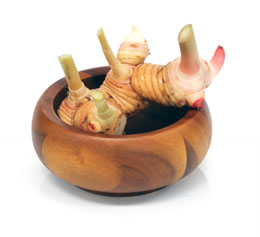
Galangal Herb: Digestive Aid, Culinary Uses, and Medicinal Properties
Galangal (Alpinia galanga), also called gao liang, East Indian root, or Chinese ginger, belongs to the ginger family. Native to China, introduced to Europe in the 9th century, this tropical herb reaches 2 meters with bla
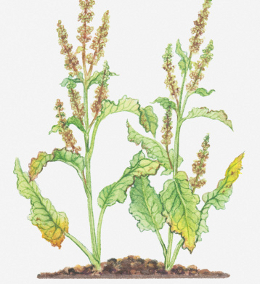
Yellow Dock Root: Blood Purifier, Digestive Aid, and Skin Healer
Yellow dock (Rumex crispus) is a perennial herb growing as a common weed across Europe, Asia, and North America. Its dark brownish-yellow roots (10-12 inches long, 0.7 inches thick) contain tannins, rumoquin, oxalates, g
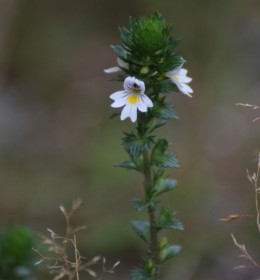
Eyebright Herb: Traditional Eye Remedy, Benefits, and Safety Concerns
Eyebright (Euphrasia officinalis or Euphrasia rostkoviana), from the Orobanchaceae family, comprises around 450 semi-parasitic flowering species. Used since the Stone Age, its native to eastern Europe (Yugoslavia, Hungar
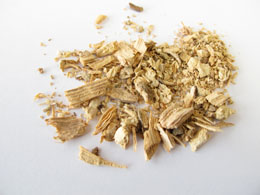
Natural Calming Herbs for Anxiety and Stress Relief
Modern life brings anxiety, restlessness, and stress, often leading to sleeplessness, digestive issues, headaches, and appetite loss. Alongside exercise and a balanced diet, certain herbs offer natural calming effects.
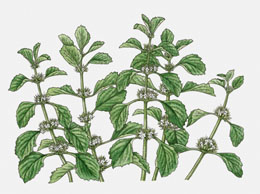
Horehound Herb: Respiratory Benefits, Traditional Uses, and Safety Warnings
Horehound (Marrubium vulgare), a perennial mint-family herb native to Europe but now widespread in the Americas, has wrinkled leaves with a rough top and woolly underside. Known since ancient Greek and Egyptian times, it
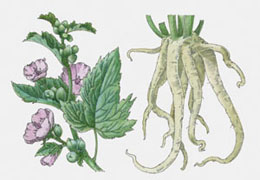
Marshmallow Root: Traditional Uses, Health Benefits, and Precautions
The marshmallow plant (Althaea officinalis), native to Europe and Africa, thrives in damp areas like marshes and meadows. Its roots, leaves, and flowers have been used medicinally for centuries. Marshmallow tea, made by
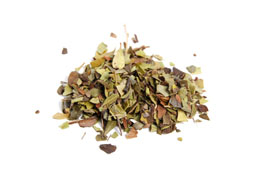
Senna Leaf: Benefits, Side Effects, and Safe Usage Guidelines
Senna leaf, derived from Cassia acutifolia (also known as Senna alexandrina), has been used for centuries as a natural laxative and digestive aid. Native to India, Pakistan, and China, this desert flowering plant belongs
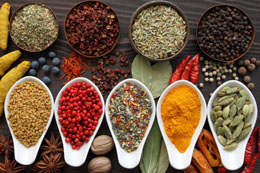
Spice and Herb Shelf Life: Storage Tips and Freshness Checks
Spices and herbs bring essential flavor and aroma to dishes, but their potency fades over time. While they dont spoil in the traditional sense, they lose strength, making them less effective. Understanding shelf life and
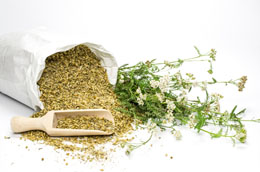
Understanding Herbaceous Plants: Characteristics, Types, and Common Examples
Herbaceous plants, commonly called herbs, are a diverse group of plants distinguished by their soft, flexible, and tender stems and leaves. Unlike trees and shrubs, herbs lack hard, woody stems. They can be seasonal—annu
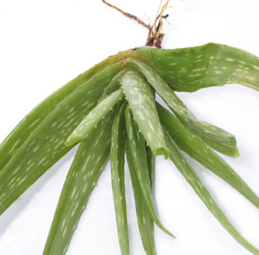
Perennial Herbs for Your Garden: Plant Once, Harvest for Years
Perennial herbs return season after season from a single planting—ideal for low-maintenance herb gardens. Choose varieties matched to your sunlight, climate, and soil. Common Perennial Herbs Aloe, Angelica, Bay Leaf,
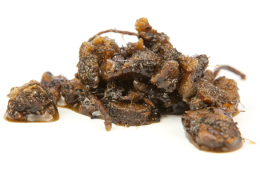
Osha Root (Ligusticum porteri): Native American "Bear Medicine" for Respiratory & Immune Health
Osha (Ligusticum porteri, Umbelliferae family), native to North America, has hollow stalks, divided leaves, umbrella-like flower/seed heads, and a sweet celery-like aroma. Bears seek it when wounded, sick, or post-hibern
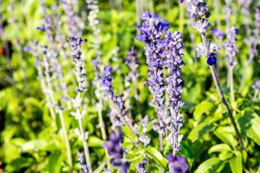
Meadow Sage (Salvia pratensis): Medicinal, Culinary & Garden Beauty
Meadow sage (Salvia pratensis, Meadow Clary/May Night), a Lamiaceae perennial from southern Europe (now West Asia, North Africa), offers violet-to-pink flowers, whitish jagged leaves, and multiple uses. Benefits Culi
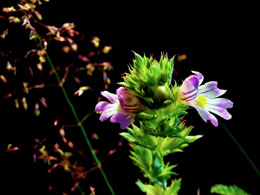
Eyebright Benefits: Natural Eye Care, Memory, Liver & Skin Support
Eyebright (Euphrasia officinalis, meadow/red eyebright), a Figwort family herb, is entirely edible—flowers, stems, leaves all usable. Small oval leaves; white/red flowers with black centers, purple streaks, yellow spots.
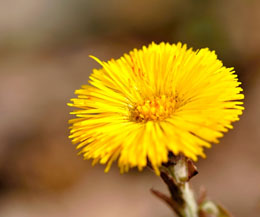
Coltsfoot Side Effects & Benefits: Liver Toxicity Concerns vs. Respiratory Relief
Coltsfoot (Tussilago farfara), a perennial herb from Europe/Asia (now in Americas), treats coughs, bronchitis, and sore throats—but contains pyrrolizidine alkaloids that accumulate in the liver. Major Safety Concerns
Copyright © www.100flowers.win Botanic Garden All Rights Reserved