


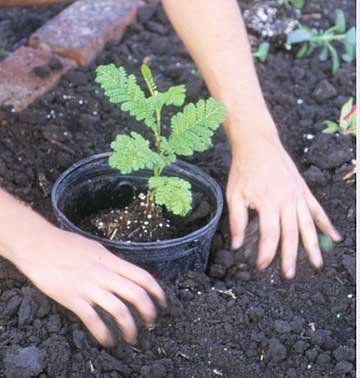
Tansy, catnip, comfrey, horseradish, lemon balm, hops, artemisia, all mints—these spread aggressively via underground runners. Contain each in a 12″ nursery pot sunk into the ground; the pot stays hidden but keeps roots in bounds.
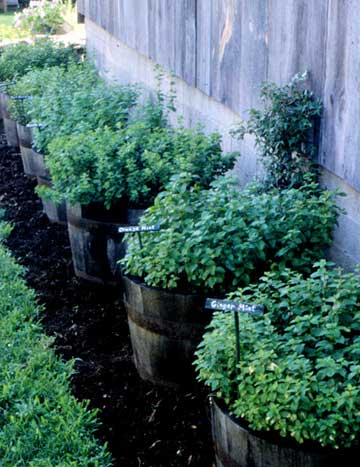
No herb collection is complete without mint. Prevent takeover by planting each variety (orange, ginger, peppermint, spearmint, chocolate) in its own half‑barrel or container—attractive and limiting.
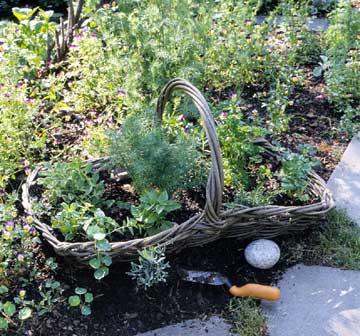
Recycle an old basket into a charming edge‑of‑garden planter. Fill with soil, sow seeds or nurse tender seedlings until 6″ tall, then transplant to garden or larger pot.
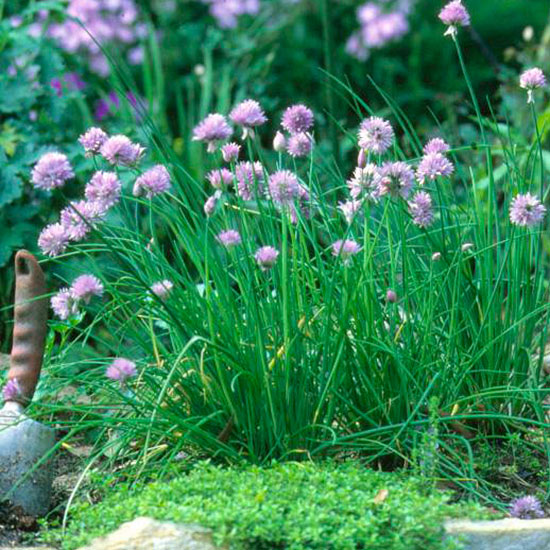
Integrate herbs into new or established beds for nonstop blooms. Best planting times: spring after soil warms, or early fall. Pair chives and sage with spring bulbs—they peak as bulb foliage fades. Stagger basil and dill from early to midsummer for harvest into fall.
Basil, Chives, Cilantro/Coriander, Comfrey, Dill, Fennel, Lavender, Oregano, Parsley, Rosemary, Sage, Salad Burnet
Angelica, Bee Balm, Catnip, Chervil, Feverfew, Hyssop, Lady’s Mantle, Lemon Balm, Lovage, Mint, Sweet Cicely, Sweet Violet, Sweet Woodruff, Wintergreen
Planting a Window Box Herb Garden: Depth, Soil, Sun, and Selection
Fall Herb Planting: Why Autumn Beats Spring for Many Herbs
6 Pro Tips for a Productive Herb Garden—Indoors or Out
Spring Bulb Planting Design: Color Combos, Layout Tricks, and Deer Resistance
10 Smart Companion Planting Tips for a Thriving Garden
Foolproof Herb Growing Tips for Beginners
Expert Tips for Successful Seed Planting and Selection
Herbal Remedies for Children: Safe Herbs, Dosage & Precautions
Essential Tips for Growing Healthy Herbs: Conditions, Pruning, and Propagation
Essential Planting Tips for New Gardeners
Copyright © www.100flowers.win Botanic Garden All Rights Reserved