


Throughout history, herbs have served as powerful medicines. Modern research increasingly validates traditional knowledge about certain herbs' potential in cancer prevention and as complementary support during conventional treatment. While not replacements for standard oncology care, these botanicals show promising bioactive properties.
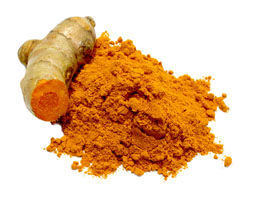
Curcumin, turmeric's active compound, demonstrates anti-cancer effects in studies. Daily consumption (≈½ tsp) may reduce DNA damage and carcinogen activity. Lower breast cancer rates in turmeric-consuming Asian populations suggest epidemiological correlation.
Fresh leaves or preserved in pesto/sauce contain compounds that protect against cancer cell formation.
Minimally oxidized leaves provide potent polyphenols, especially epigallocatechin gallate (EGCG). Research shows preventive effects against breast, intestinal, lung, skin, liver, stomach, and colon cancers. Also contains carotenoids, theanine, chlorophyll, and proanthocyanidins.
NCI-recognized for anti-tumor compounds genistein and daidzein. Contains vitamin E and tocopherol antioxidants. Contraindicated for pregnant women, heart patients, and those with estrogen-dependent cancers.
Immune-modulating herb recommended as supportive therapy during cancer treatment.
Contains apigenin, a natural oil that inhibits angiogenesis (new blood vessel formation feeding tumors). Avoid during pregnancy – may cause uterine stimulation and premature delivery.
Terpenes and fatty acids in rosemary inhibit cancer cell formation. Particularly recommended during chemotherapy.
Monoterpenes stimulate glutathione S-transferase, an enzyme that neutralizes carcinogenic free radicals. Supports digestive health during treatment.
Phytochemicals cut off blood supply to tumors, promoting cancer cell death.
Thymol and terpenes provide anti-cancer properties. Used curatively for oral cancers.
Aloe vera, onion, garlic, celery seed extract (liver cancer), astragalus, goji berries, and others show anti-cancer potential in preliminary research.
Disclaimer: This article is informational only. Herbal use during cancer treatment requires professional medical guidance to ensure safety and avoid harmful interactions.
Growing Culinary Herbs in the Philippines: Tropical Climate Guide
Herb Garden List: A Diverse Collection for Inspiration
Organic Gardening Solutions: Pest Control, Composting, and Family Involvement
Growing Herbs in Pots: The Complete Container Guide
Herbs for Hypertension: Natural Blood Pressure Support and Safety Guide
Complementary Herb Groups for Your Kitchen Garden
Tips for Planting Herbs: Contain Invasives, Design for Sun and Shade
Container Depth for Herbs: 8+ Inches Recommended, Match Pot to Plant
Indoor Herb Lighting: Shop Lights vs. Grow Lights
How to Repot Herbs: A Step-by-Step Guide for Healthy Container Plants
Best Herbs for Container Gardens: A Complete Guide
Drying Herbs: Methods for Flavor, Color, and Craft
Caring for Your Herb Garden Through the Seasons
Shopping for Herbs: A Sensory Guide to Choosing the Best Plants
Copyright © www.100flowers.win Botanic Garden All Rights Reserved