


Dong quai (Angelica sinensis), a fragrant perennial native to the cool, damp mountains of China, Japan, and Korea, has been a cornerstone of Traditional Chinese Medicine for over 2,000 years. Often called "female ginseng" or "queen of Chinese herbs," its root is prized for supporting women's reproductive health across the lifespan.
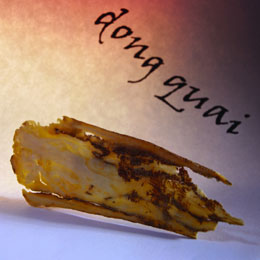
Dong quai contains phytoestrogens—plant compounds that mimic estrogen's effects—which may help regulate hormonal fluctuations. Women traditionally use it to ease menstrual cramps, irregular cycles, premenstrual syndrome (PMS), and menopausal symptoms like hot flashes, night sweats, and mood swings. It's also valued for postpartum recovery, helping restore energy and blood vitality after childbirth.
Rich in vitamin B12, folic acid, biotin, and other blood-building nutrients, dong quai stimulates red blood cell production and improves circulation. This makes it a premier "blood tonic" in TCM for addressing fatigue, pallor, and anemia-related symptoms.
The antioxidant ferulic acid in dong quai may enhance sperm quality in men, while its uterine-toning properties support female reproductive health. Some herbalists recommend it as part of a holistic approach to infertility.
Dong quai is available as dried root, powder, capsules, tinctures, and teas. Typical doses range from 1–3 grams daily of dried root or equivalent extracts. However, it's not suitable for everyone—pregnant women should avoid it due to uterine-stimulating effects, and those on blood thinners, hormone therapies, or with hormone-sensitive conditions should consult a practitioner. Photosensitivity is a known side effect, so sun protection is advised.
Disclaimer: This information is educational only and not a substitute for professional medical advice. Consult a qualified herbalist or healthcare provider before use.
Benefits of Landscape Gardening: Transform Your Outdoor Space
Why Vinyl Fencing Beats Wood: Maintenance, Safety & Value
9 Reasons Squirrel Repellents Are the Smart, Humane Choice for Garden Protection
The Benefits of Hydroponic Gardening: Growing Plants Without Soil
The Benefits of Gardening: Health, Happiness, and Homegrown Food
Sunflower Oil Benefits: Cooking, Skin & Heart Health
Top Health Benefits of Chamomile Tea: From Digestion to Skin Care
Chamomile Benefits: Oil, Tea & Skin Remedies for Holistic Health
Benefits of Indoor Plants: Air Purification, Stress Reduction, and Productivity
Cranberry Pills Benefits: Complete Guide to Supplement Advantages
Pau d'Arco: Ancient Rainforest Remedy with Modern Health Potential
Barberry: The Vitamin C-Rich Berry with Powerful Antimicrobial & Metabolic Benefits
Copyright © www.100flowers.win Botanic Garden All Rights Reserved