
Transplanting Wild Cattails into Your Pond Successfully
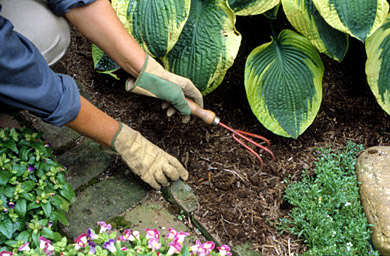
Harvesting Use a shovel in shallow water to get a good root ball. A hand trowel works for small plants. Even a piece of rhizome with a growing tip will regenerate. Planting Plant in a pot (2+ gallons) with heavy clay so

Diagnosing Black Mildew-Like Discoloration on a Goldfish
Most Likely: Natural Color Change Goldfish change color throughout life. Black patches often appear as they mature, especially in calico/shubunkin types. It can look like mildew but is normal pigment development. Other
Helping a New Comet Goldfish Adjust to a Pond Environment
Its Stress, Not Sickness Nemos hiding is a normal reaction to the trauma of capture, transport, and a completely new environment. Goldfish have simple brains but complex stress responses. What to Do Leave him alone. Do
Feeding a Juvenile Painted Turtle: Diet and Care Essentials
Diet for a 4-Inch Juvenile At 4 inches, its a young juvenile. Offer a varied diet: Live Foods: Blackworms (favorite), bloodworms, small crickets, earthworms. Produce: Grapes, apple, berries, kale, shredded carrot, squas
Stocking a 90-Gallon Pond: Fish and Frog Compatibility
Fish Selection Koi grow to 3 feet—absolutely unsuitable. Goldfish reach 12+ inches; a few (3-5) are okay. Better choices for 90 gallons: Rosy Red Minnows: Hardy, colorful, stay small (2-3), breed easily. Native Minnows/
Automating Fountain Refill with a Sprinkler System and Float Valve
The Solution: A Ballcock (Float Valve) Install a standard toilet-style float valve (ballcock) in the fountains lower basin. Connect your irrigation drip line to the valve inlet. Set the float so it shuts off when the wat
Why New Pond Fish Vanish: Predators, Hiding, and Cannibalism
Predators Crows: Absolutely eat small fish. They spear them from the edge. Herons: Major koi/goldfish predators. Raccoons, cats, mink: Nocturnal hunters. Cannibalism Large koi/orfe will eat fish under a few inches. Or
Troubleshooting a Goldfish Floating Upside Down: Swim Bladder, Tumors, or Constipation?
Possible Causes Swim Bladder Disorder: Common in fancy goldfish. Caused by gulping air, constipation, infection, or anatomy. Internal Tumor/Cyst: Displaces swim bladder. Bacterial/Viral Infection: Systemic illness affec
Distinguishing Egg-Binding from Dropsy in a Swollen Carp
Normal Gravid Female Slightly enlarged abdomen, smooth scales, active, eating. Eggs are released with male stimulation. Egg Binding Female cannot release eggs (no male, stress, obstruction). Abdomen becomes very large,
Eliminating Foam on Pond Water: Dissolved Organic Carbons Explained
What Causes the Foam? White, persistent foam at waterfalls and edges is DOC (Dissolved Organic Carbon). Sources include: Oils from fish food (some brands worse than others) Fish body slime Spawn (fish, frog, toad eggs a
Investigating Color Change and Hiding Behavior in an Aging Orfe
Color Change in Orfe Orfe normally stay golden/orange. Some individual variation occurs, but a shift to redder gold is unusual. It can be a natural age-related change or diet-related (carotenoids). The Hiding Behavior I
Emergency Care for a Fantail Goldfish Injured by a Pond Pump
Prevent Future Entrapment Build a pre-filter cage around the pump intake. Wrap filter foam around the pump and place it inside a perforated pond basket. This keeps fish away from the impeller while maintaining flow. Tre
Sizing a Temporary Pond for Young Koi and Planning a Permanent Home
Temporary Housing Experts recommend 1,000 gallons for the first adult koi + 100 gallons each additional. For babies (2-3 inches) for 1-2 years, 50+ gallons per fish is acceptable. A 70-gallon tub works for one; 140 gallo
Can Oscar Fish Live in an Outdoor Pond?
Temperature Is Key Oscars are tropical cichlids. They thrive above 70°F (21°C). Below 60°F (15°C), they become sluggish, stop eating, and succumb to disease. Prolonged exposure to 50°F (10°C) is fatal. Climate Considera
Identifying Tumors and Spinal Deformities in Koi
Growth Types Fatty tumors (lipomas): Soft, movable, benign. Cancerous tumors: Firm, invasive, may ulcerate. Fluid-filled cysts: Fluctuant, translucent. Bacterial granulomas (Fish TB): Hard, irregular, often multiple; ch
Understanding Goldfish Chasing Behavior: Spawning or Bullying?
The Likely Scenario The small chaser is probably a male. The large fish with a big belly is likely a female full of eggs. The males relentless nudging and chasing are classic spawning behavior. He may also chase the othe
Clearing Tea-Colored Pond Water Caused by Tannins
Source of the Color Tea-colored (brown but clear) water comes from tannins and lignins leaching from organic matter: leaves, branches, mulch, peat, or soil. Mulch near the pond is a prime suspect; it leaches heavily when
Treating a Cloudy White Eye in a Black Moor Goldfish
Common Causes Bacterial Infection: Most likely. Cloudy, white eye often indicates Aeromonas or Pseudomonas. Fungal Infection: Cottony appearance. Physical Trauma: Telescope eyes are easily scratched on decor, during spa
Identifying a White Slimy Growth on a Water Lily Leaf
Possible Identifications Snail/Insect/Amphibian Eggs: Gelatinous masses, often attached to leaf undersides. Fungal Growth: White, cottony or slimy patches on damaged tissue. Animal Mucus: From fish, turtles, or amphibia
Diagnosing a Tench Floating at the Surface After Heavy Rain
Potential Causes Low Oxygen: Heavy rain can stratify the pond or wash in organic matter that decays, consuming oxygen. Tench are sensitive to low O₂. pH/Hardness Crash: Rain is soft and acidic. Large influx drops pond h
Copyright © www.100flowers.win Botanic Garden All Rights Reserved